

Quick Summary:
“Post-surgical lymphatic drainage is sometimes incorporated into recovery-related care under the guidance of the patient’s surgical or healthcare team, and the timing, technique, and suitability depend entirely on the procedure performed and the individual’s stage of recovery. Flowpresso® is an FDA-cleared Class II medical device used in clinical settings under licensed practitioner supervision, and any post-surgical application requires clearance from the treating medical team before sessions begin.”
Researching lymphatic drainage after surgery brings up a lot of information, not all of it reliable. People recovering from procedures like tummy tucks, liposuction, and body contouring are often told that lymphatic drainage massage is something they should be booking, but the details around when it is appropriate, what type to choose, and who should be providing it are not always clearly explained. This article covers what post-surgical lymphatic drainage actually involves, how device-assisted approaches like Flowpresso® fit into that picture, and what questions to ask before booking anything.

What Is Post-Surgical Lymphatic Drainage?
Post-surgical lymphatic drainage refers to professionally supervised techniques incorporated into recovery-related care following a surgical procedure. The lymphatic system is responsible for clearing excess fluid from the body’s tissues, and surgical procedures can temporarily disrupt the lymphatic pathways in the area where the work was performed.
Post-surgical lymphatic drainage is not a single standardized protocol. The term covers a range of approaches, from hands-on manual lymphatic drainage performed by certified therapists to device-assisted sessions using pneumatic compression technology. What is appropriate for any given patient depends on the procedure they had, their stage of recovery, and the specific instructions from their surgical or healthcare team.
How Lymphatic Drainage May Fit Into Post-Surgical Care
The decision to incorporate lymphatic drainage into post-surgical care is not one that a patient should make independently. It sits within the broader recovery plan that the surgical team designs, and it should only be introduced when the treating surgeon or healthcare provider has given appropriate clearance.
Timing is one of the most critical factors. Starting too early, before tissues have had adequate time to stabilize, carries risks that a qualified professional will assess on a case-by-case basis. Starting too late may mean the window where lymphatic support is most relevant has already passed. The treating surgical team’s instructions take priority over any general guidelines found online or offered by a wellness provider. Understanding lymphatic drainage for post surgery recovery in a broader context helps set realistic expectations for what the process involves.
Flowpresso in Post-Surgical Recovery Settings
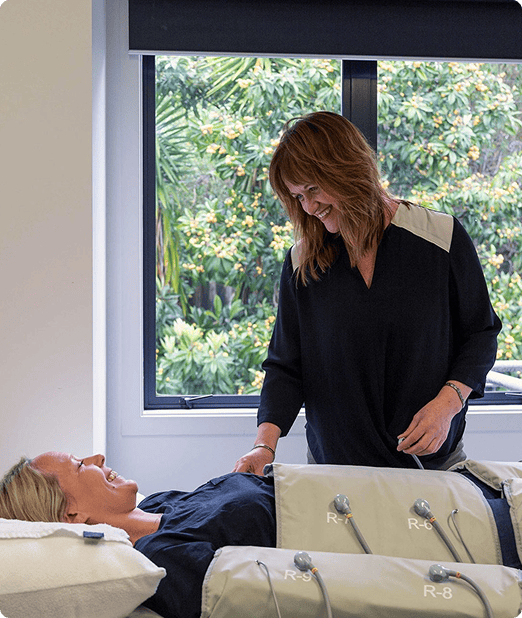
Flowpresso® is an FDA-cleared Class II medical device that combines cyclic pneumatic compression, gentle thermotherapy, and deep pressure stimulation in a supervised 40-minute session. It is used in clinical settings by licensed healthcare practitioners including chiropractors, physical therapists, naturopathic doctors, and physicians. It is not intended to diagnose, treat, cure, or prevent any disease.
In post-surgical recovery contexts, a practitioner may consider incorporating Flowpresso® into a patient’s care only after the patient’s surgical or healthcare team has provided appropriate clearance. The device does not replace post-operative medical care, surgical follow-up, compression garments, medication, or any other instructions from the treating medical team. It sits alongside those elements as one potential component of a supervised recovery protocol, not as a substitute for any of them.
The suitability of Flowpresso® in any post-surgical context is assessed by the supervising practitioner on an individual basis. It is not appropriate for every post-surgical patient, and the decision to use it is shaped by the type of procedure, the stage of healing, any relevant contraindications, and the guidance of the treating medical team.
Manual vs Device-Assisted Post-Op Lymphatic Drainage
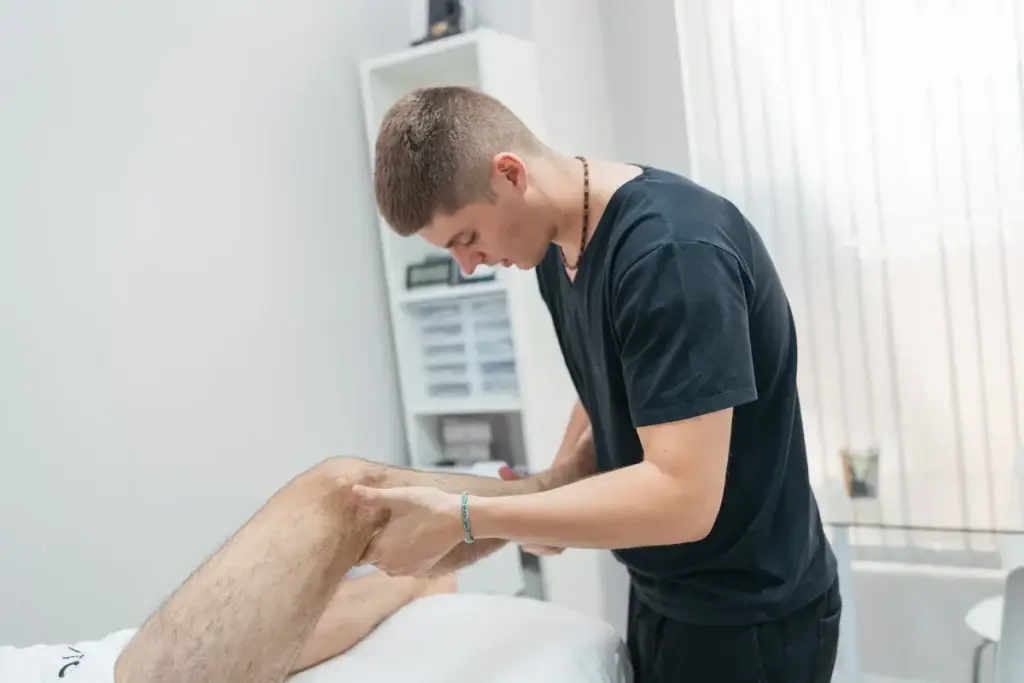
Manual lymphatic drainage is performed by a certified therapist using very light, rhythmic strokes that follow the body’s specific lymphatic vessels and drainage pathways. The therapist can adjust pressure, technique, and focus area in real time based on the individual’s response and the specific requirements of their post-surgical recovery.
Device-assisted approaches, including pneumatic compression systems, apply sequential air pressure through a wearable garment. They deliver a consistent, calibrated pressure pattern across the full body rather than targeting specific areas manually. Clinical systems like Flowpresso® add thermotherapy and deep pressure stimulation alongside compression, creating a multi-modal session under practitioner supervision.
Key differences in a post-surgical context:
- Manual lymphatic drainage: therapist-led, highly personalised, can target specific post-surgical areas, adjusted in real time to tissue response
- Device-assisted approaches: consistent pressure pattern, full-body coverage, supervised by a licensed practitioner, session parameters set before the session begins
- Both: require appropriate professional oversight, should only be used after surgical team clearance, and are not appropriate for all post-surgical patients
Lymphatic Drainage After Different Procedures
Post-surgical lymphatic drainage is a broad term that covers a range of professionally supervised approaches, and the protocol varies for every patient. The procedure performed, the recovery stage, the patient’s medical history, and the professional recommendations relevant to their case all shape what is appropriate. Lymphatic drainage after breast surgery, knee surgery, or other procedures each involves different considerations. Anyone researching post-surgical lymphatic drainage should start with their treating healthcare team rather than booking a session independently. For broader context on how to reduce lymphatic swelling, a qualified practitioner is always the right first point of contact.
What Happens During a Post-Op Lymphatic Drainage Session?
A post-op lymphatic drainage session in a professional setting begins with a review of the patient’s recovery status. The practitioner or therapist will ask about the procedure performed, the date of surgery, any instructions from the surgical team, and how the recovery has progressed so far. This assessment shapes every aspect of the session that follows.
The session itself will vary depending on whether the approach is manual or device-assisted. A manual session involves the therapist applying very light, sequenced strokes along lymphatic pathways relevant to the surgical area. A device-assisted session involves the patient wearing a compression garment while the device applies calibrated pressure. Pressure, duration, positioning, and technique are all adjusted according to the individual’s circumstances and the professional’s assessment.
Post-session, the practitioner may provide specific guidance around hydration, rest, light movement, and when to return for a follow-up session. Any unusual symptoms, discomfort, or concerns that arise after a session should be reported to both the treating practitioner and the patient’s medical team.
Post-Surgical Lymphatic Drainage at a Glance
Post-surgical lymphatic drainage encompasses both manual techniques and device-assisted compression approaches used under professional supervision as part of recovery-related care. The approach used, the timing of sessions, and the level of pressure applied are all determined by the type of surgery, the individual’s healing progress, and the instructions provided by the treating medical team.
A post op lymphatic drainage massage should only be initiated after the patient’s surgeon or healthcare provider has confirmed it is appropriate. Manual lymphatic drainage massage after surgery involves a trained therapist applying sequenced, light technique along relevant lymphatic pathways. Device-assisted approaches apply consistent compression through a clinical garment under practitioner oversight. For context on how compression therapy supports recovery more broadly, the clinical framework is well established within professional rehabilitation and wellness settings.
Flowpresso® is one option within this clinical landscape, used under licensed practitioner supervision after the patient’s medical team has provided clearance. Any post-surgical application is assessed individually by the supervising practitioner.
FAQ's
When Can You Have Lymphatic Drainage After Surgery?
The timing depends entirely on the type of procedure, the patient’s recovery stage, and the specific instructions of the treating surgical team. There is no universal timeline that applies across all procedures. A patient should not book a lymphatic drainage session after surgery without first confirming with their treating surgeon or healthcare provider that it is appropriate for their specific circumstances.
Is Lymphatic Drainage Massage After a Tummy Tuck Safe?
Lymphatic drainage massage after a tummy tuck may be appropriate for some patients at certain stages of recovery, but suitability and timing are determined by the treating surgeon. The level of pressure, technique, and approach must be tailored to the individual’s surgical context and recovery progress. A qualified practitioner will not proceed without understanding the surgical details and any relevant post-operative instructions.
Can You Have Lymphatic Drainage After Liposuction?
Post-liposuction lymphatic drainage is sometimes coordinated as part of a recovery protocol, but the decision to begin sessions and the approach used should be guided by the treating medical team. The procedure affects tissue layers that are relevant to lymphatic function, making professional assessment of timing and technique particularly important.
What Is the Difference Between Manual and Device-Assisted Post-Op Lymphatic Drainage?
Manual post-op lymphatic drainage involves a trained specialist applying hands-on technique that can be adjusted in real time to the patient’s response. Device-assisted approaches use pneumatic compression garments to apply consistent sequential pressure across the body under practitioner supervision. Both require surgical team clearance before use in a post-surgical context, and neither is universally appropriate for all post-surgical patients.
Does Flowpresso Replace Manual Lymphatic Drainage After Surgery?
Flowpresso® does not replace manual lymphatic drainage. The two approaches work through different mechanisms and serve different applications within post-surgical care. Some practitioners may use both as part of a broader recovery protocol. The decision about which approach is appropriate is made by the supervising practitioner in coordination with the patient’s surgical team, based on the individual’s specific circumstances.
Who Should Perform Post-Surgical Lymphatic Drainage?
Post-surgical lymphatic drainage should be performed or supervised by a qualified professional with specific training and experience in post-surgical care. For manual lymphatic drainage, this means a certified lymphatic therapist with post-surgical expertise. For device-assisted approaches, this means a licensed healthcare practitioner who can assess suitability, set appropriate session parameters, and coordinate with the patient’s surgical team.