

Quick Summary:
“Post surgical lymphatic massage uses gentle, rhythmic techniques to encourage lymph fluid movement after a procedure, supporting comfort, circulation, and recovery. Sessions are typically introduced six weeks following surgery and adjusted in frequency as healing progresses. Compression therapy, including advanced clinical systems like Flowpresso®, is also incorporated in professional wellness settings as part of broader practitioner-led recovery protocols.”
Coming out of surgery feeling swollen, heavy, and restricted is a normal part of the post-operative experience. The body responds to surgical trauma with inflammation and fluid accumulation, and the lymphatic system, which is responsible for clearing that excess fluid, suddenly has far more work to do with far less movement to support it. Post-surgical lymphatic massage has become one of the most consistently sought-after recovery tools for exactly this reason.
What Is Post-Surgical Lymphatic Massage and Why Do People Get It?
Post-surgical lymphatic massage is a specialised hands-on technique that uses very light, rhythmic strokes applied in specific directions to encourage lymph fluid movement through the lymphatic vessels. The pressure used is deliberately feather-light, considerably lighter than standard therapeutic massage, because the goal is to stimulate the lymphatic system rather than work the muscle tissue underneath.
The therapist typically begins at the lymph nodes closest to the surgical area, clearing the pathway before gently moving outward to direct stagnant fluid toward the nodes where it can be processed and returned to circulation. A session follows the natural map of the lymphatic system, working with its directional flow rather than against it.
People seek post op lymphatic massage because it addresses swelling, heaviness, and restricted movement in a structured way during a period when the body needs external support. Many surgeons and healthcare providers include it as a recommended component of post-operative care, particularly for procedures where significant fluid accumulation is expected.
What to Expect During a Post Surgery Massage Session
A post op lymphatic massage session feels very different from a traditional massage. The pressure is so light that many people initially wonder whether it is doing anything at all. There is no deep pressure, no firm kneading, and no intensity. The therapist’s hands move slowly and rhythmically across the skin in gentle, wave-like strokes.
Sessions typically last between 30 and 60 minutes. Some people describe a sense of ease and reduced heaviness during or after sessions. Mild temporary soreness is possible, particularly in the early weeks, but this typically resolves quickly. As recovery progresses, sessions tend to become progressively more comfortable.
The area of focus will depend on the procedure and the stage of recovery. The therapist will work in coordination with the surgeon’s guidance and adjust their approach based on how the tissue is responding at each visit.
How to Reduce Swelling After Surgery
Managing post-operative swelling effectively involves a combination of approaches working together. No single element does the job alone and the best outcomes come from a coordinated recovery plan guided by the treating healthcare provider.
Compression Garments
Medical-grade compression garments are commonly prescribed following surgery to apply consistent external pressure to the surgical area. They are designed to support venous return and encourage fluid movement through the tissues. Wearing them as directed is one of the most consistently recommended elements of post-operative care.
Hydration
Adequate hydration supports lymphatic function directly. Lymph fluid requires water to maintain its consistency and flow, and mild dehydration can slow the clearance process. Most practitioners recommend two to three litres of water daily during the recovery period.
Gentle Movement
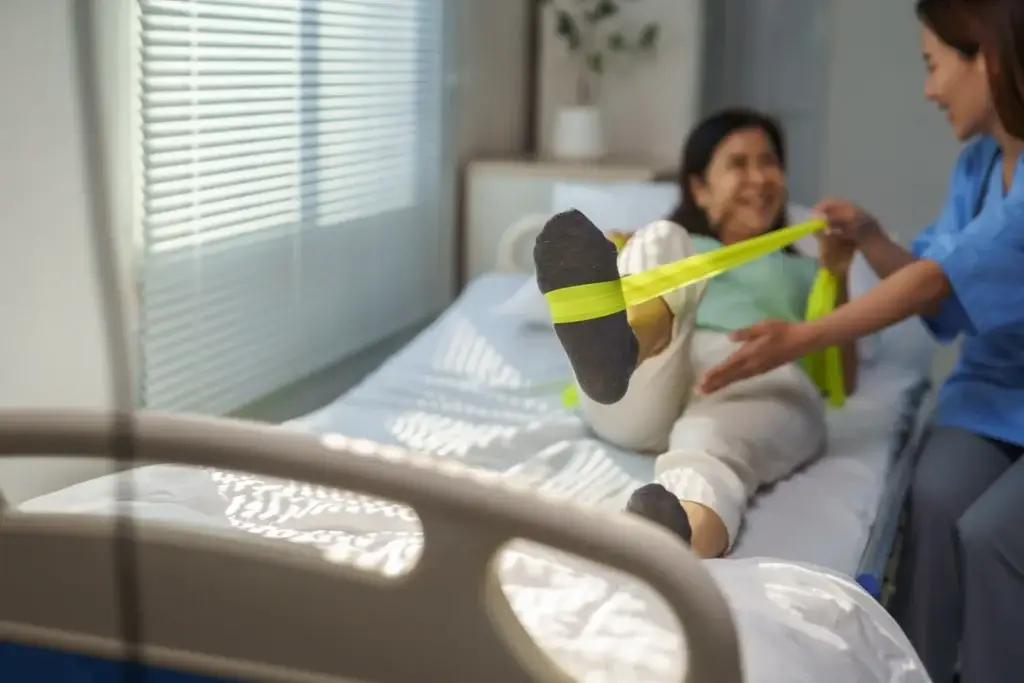
Reintroducing movement gradually, as directed by the surgeon, is one of the most effective ways to support lymphatic flow. Even light walking activates the muscle contractions that drive lymph fluid through the vessels. The timing and extent of movement should always follow the specific guidance of the healthcare team.
Lymphatic Drainage Massage
Post surgery massage fits within this broader recovery plan as a structured, supervised approach to directly supporting fluid movement. It works most effectively when combined with compression garments and appropriate hydration, rather than as a standalone measure.
Elevation
Keeping the affected area elevated where possible, particularly in the early post-operative days, uses gravity to assist fluid movement away from the surgical site. The surgeon’s team will advise on the appropriate position and duration based on the specific procedure.
Pneumatic Compression Therapy and Recovery Support
Pneumatic Compression therapy plays a well-established role in post-operative recovery. Static compression garments apply consistent pressure throughout the day, supporting the venous and lymphatic systems during periods when movement is limited. Dynamic pneumatic compression takes this further. Systems that inflate and deflate in a sequential pattern actively move fluid through the body in a way that static pressure cannot achieve on its own.
How Flowpresso® Supports Recovery
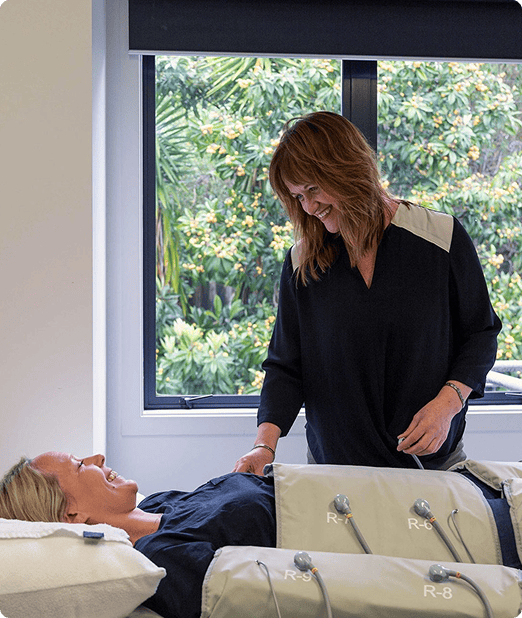
Flowpresso® is an FDA-cleared Class II medical device designed for use under the supervision of a licensed healthcare practitioner. It combines cyclic pneumatic compression, gentle thermotherapy, and deep pressure stimulation into a single full-body session delivered through a clinical lymphatic compression suit.
Flowpresso® is used in professional clinical settings by practitioners, including chiropractors, physical therapists, naturopathic doctors, surgeons, and physicians as one component of a recovery protocol. It is not prescribed as a post-surgical treatment device but rather supports lymphatic flow, circulation, relaxation, and recovery in a supervised clinical context, as part of a broader care plan determined by the treating practitioner.
Signs to Watch For During Recovery
Most post-operative recovery proceeds predictably, but there are some signs that warrant pausing lymphatic drainage sessions and consulting the treating surgeon or healthcare provider. These include a sudden increase in swelling rather than gradual reduction, unusual pain or sensitivity at the surgical site, signs of infection such as redness, warmth, or discharge, and fever.
A qualified lymphatic drainage therapist will monitor how the tissue is responding at each session and communicate with the healthcare team accordingly. Recovery is not always linear, and adjusting the session schedule based on how the body is responding is a normal part of the process.
Is Lymphatic Drainage Massage Only for Post Surgery?
Lymphatic drainage massage is widely used across everyday wellness and recovery contexts that have nothing to do with surgery. People seek it for managing fluid retention from long periods of inactivity or travel, for recovery support after intense physical training, for general circulatory comfort, and simply as a deeply relaxing wellness session.
The post-surgical application is one specific and well-established context within a much broader use landscape. The techniques are the same and what changes is the intention, the timing, and the level of coordination with a healthcare team that post-operative use requires.
Why People Seek Post Surgical Lymphatic Massage
Recovery is uncomfortable in ways that are hard to fully anticipate before going through it. The swelling, stiffness, heaviness, and restricted movement of the early post-operative weeks have a real daily impact on quality of life. Post surgery massage offers a structured, gentle, and practically focused way to work through that period more comfortably.
Many people return for regular sessions because of how they feel following them. The sense of reduced heaviness after a session, the improved ease of movement as the weeks progress, and the deeply calming quality of the sessions themselves all contribute to why lymphatic drainage has become such a consistently valued part of post-operative recovery for so many people.
FAQ's
1. When Should You Start Post Surgical Lymphatic Massage?
The timing depends on the specific procedure and the surgeon’s guidance. For many procedures, sessions can begin within three to six weeks of surgery, sometimes earlier. The surgeon and lymphatic drainage therapist would coordinate on appropriate timing, technique, and frequency based on the individual’s recovery progress.
2. How Can People Manage Swelling After Surgery?
Managing post-operative swelling typically involves a combination of following the surgeon’s recovery plan, wearing prescribed compression garments, staying adequately hydrated, reintroducing gentle movement as directed, keeping the affected area elevated where appropriate, and incorporating lymphatic drainage massage as part of the broader recovery routine when approved by the healthcare provider.
3. Is Lymphatic Drainage Massage Only for Post Surgery?
Lymphatic drainage is used across a broad range of wellness contexts beyond surgical recovery, including managing fluid retention from inactivity or travel, supporting recovery after physical training, and as a relaxation-focused wellness session. Post-surgical use is one specific application within a much wider range of everyday wellness purposes.
4. Can Pneumatic Compression Therapy Support Post-Surgery Recovery?
Pneumatic Compression therapy is a well-established element of many post-operative recovery plans. Static compression garments provide consistent pressure throughout the day. Pneumatic compression systems apply dynamic sequential pressure and are used in professional clinical and wellness settings as part of recovery-oriented protocols under licensed practitioner supervision.
5. When Should Someone Seek Professional Advice for Swelling?
Professional guidance should be sought if swelling develops suddenly, becomes painful, worsens over time, feels warm to the touch, occurs following surgery or injury, is accompanied by skin changes, or begins affecting daily comfort and mobility.