

Quick Summary:
“Lymphatic swelling occurs when lymph fluid builds up in the body’s tissues instead of moving efficiently through the lymphatic system. This can lead to puffiness, heaviness, discomfort, reduced mobility, and feelings of fatigue. Because the lymphatic system relies on movement, breathing, hydration, and muscle contractions to transport fluid, factors such as inactivity, surgery, injury, stress, dehydration, and poor circulation can contribute to fluid retention. Supporting lymphatic flow often involves a combination of regular movement, adequate hydration, deep breathing, elevation of affected areas, and practitioner-led therapies. Compression-based technologies, including systems like Flowpresso®, may also be incorporated into broader wellness and recovery protocols designed to support circulation and lymphatic function.”
Understanding Lymphatic Swelling
Lymphatic swelling can leave people feeling heavy, puffy, uncomfortable, and sometimes frustrated when the swelling doesn’t seem to improve. Whether it appears in the legs, arms, abdomen, or face, swelling often affects more than just physical comfort — it can impact movement, energy levels, and confidence too.
The lymphatic system plays a major role in helping the body manage fluid balance and remove waste. When this system slows down or becomes overwhelmed, fluid can begin collecting in tissues, leading to swelling.
Think of your lymphatic system like your home drainage system. When the drains are flowing properly, water moves away efficiently. But if the drains become blocked or sluggish, water starts pooling where it shouldn’t. The body works in a very similar way.
In this article, we’ll explore what lymphatic swelling is, what can contribute to it, and practical ways to support healthy lymphatic flow.
What Is Lymphatic Swelling?
Lymphatic swelling occurs when lymph fluid builds up in the body’s tissues instead of moving efficiently through the lymphatic system.
Lymph fluid contains water, proteins, waste products, and immune cells. Normally, this fluid travels through a network of vessels and lymph nodes before eventually returning to the bloodstream.
Unlike the heart, which pumps blood continuously, the lymphatic system does not have its own pump. It relies on body movement, muscle contractions, breathing, and hydration to keep fluid moving.
When that movement slows, fluid can begin accumulating in certain areas of the body, leading to swelling and discomfort.
Common Causes of Lymphatic Swelling
Several factors can contribute to poor lymphatic flow or fluid build-up, including:
- Sitting or standing for long periods
- Reduced physical activity
- Post-surgical recovery
- Injury or inflammation
- Stress and fatigue
- Poor circulation
- Dehydration
- Hormonal changes
- Excess body weight
- Certain medical conditions affecting the lymphatic or vascular systems
For some people, swelling develops gradually over time. For others, it may appear after surgery, illness, or travel.
Signs and Effects of Lymphatic Swelling
People experiencing lymphatic swelling may notice:
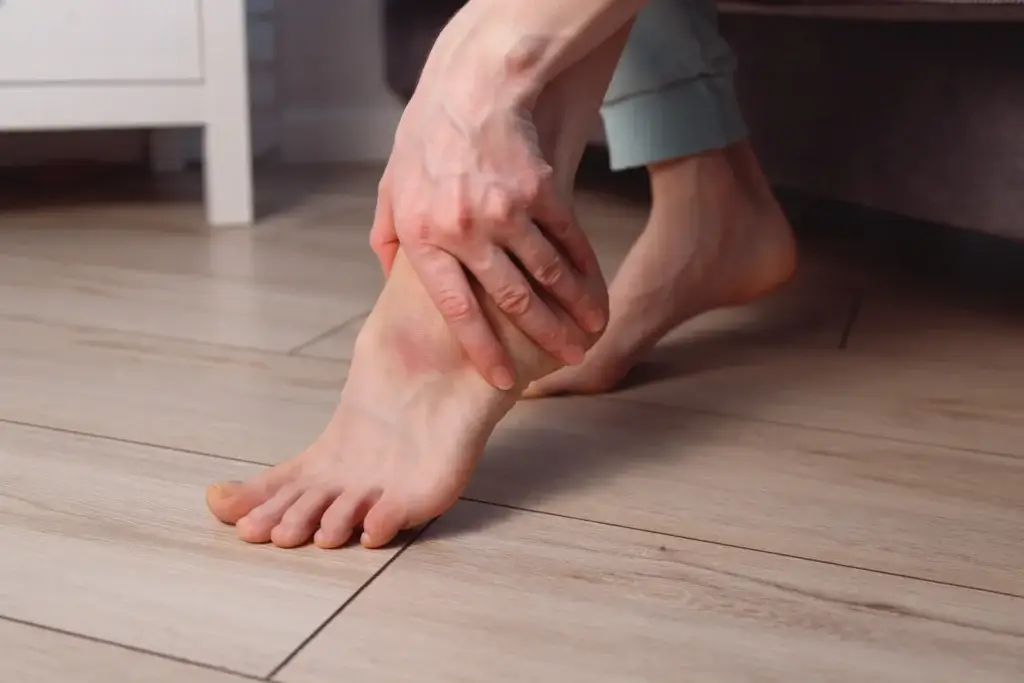
- Puffiness in the arms, legs, ankles, or face
- A feeling of heaviness or tightness
- Skin feeling stretched or uncomfortable
- Reduced flexibility or movement
- Shoes, rings, or clothing feeling tighter
- Fatigue or sluggishness
- Temporary indentations in the skin after pressure
Many people describe the sensation as feeling “waterlogged” or like carrying extra weight around the body.
How to Support and Reduce Lymphatic Swelling
Keep the Body Moving
Movement is one of the most important ways to support lymphatic flow.
Walking, stretching, swimming, and gentle exercise help muscles act like pumps that encourage fluid movement through the lymphatic vessels.
Even small amounts of movement throughout the day can make a difference.
Stay Hydrated
Hydration supports healthy fluid balance throughout the body.
Ironically, dehydration can sometimes contribute to fluid retention because the body tries to hold onto water when it senses low hydration levels.
Support Healthy Breathing
Deep breathing helps stimulate lymphatic movement through pressure changes in the chest and abdomen.
Slow diaphragmatic breathing can act almost like an internal pump for the lymphatic system.
Elevate Swollen Areas
Elevating the legs or arms can help encourage fluid movement back toward the body’s central circulation.
This is especially helpful after long periods of sitting or standing.
Gentle Massage and Manual Therapies
Some people benefit from lymphatic-focused massage techniques performed by trained professionals.
These therapies aim to encourage gentle fluid movement and support circulation.
Clinical Support Options for Lymphatic Swelling
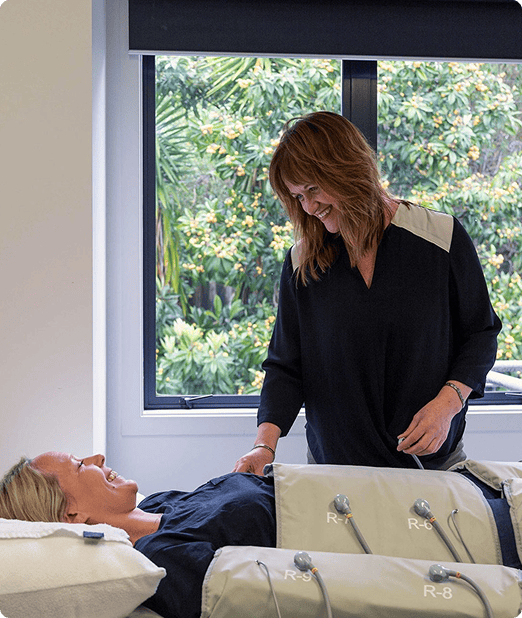
Compression-based systems are commonly used in recovery, rehabilitation, and lymphatic support settings.
These systems use controlled pressure to help encourage fluid movement and circulation through the limbs. Many practitioners incorporate compression therapies alongside movement, hydration, and recovery protocols as part of a broader wellness or rehabilitation approach.

Understanding the Differences Between Compression Technologies
Not all compression systems work in the same way. Traditional intermittent pneumatic compression devices typically use a sequential inflation pattern, applying pressure through a series of chambers that move fluid in one direction along the limb.
Flowpresso takes a different approach. Rather than relying solely on compression, it combines gentle, rhythmic pressure with deep relaxation and thermoneutral support to help stimulate the body’s natural lymphatic and circulatory processes. This integrated approach is designed to support fluid movement while also encouraging nervous system regulation, which may play an important role in recovery and lymphatic function.
Why This Matters for Lymphatic Support
For individuals experiencing fluid retention, post-treatment swelling, or lymphatic congestion, comfort and consistency are often key considerations. While conventional compression systems can be effective for some applications, Flowpresso is designed to provide a more holistic treatment experience that addresses both physical fluid movement and the body’s relaxation response.
Practitioners often choose Flowpresso because it:
- Supports lymphatic and circulatory function through dynamic compression.
- Encourages deep relaxation through parasympathetic nervous system activation.
- Provides a comfortable, non-invasive treatment experience.
- Can be incorporated alongside existing wellness, rehabilitation, and lymphatic support protocols.
As with any clinical support modality, outcomes can vary between individuals, and treatment plans should be tailored to each person’s needs and health circumstances.
When to Seek Professional Advice
It’s important to seek professional guidance if swelling:
- Persists or worsens
- Occurs suddenly
- Is painful or warm to touch
- Happens after surgery or injury
- Is accompanied by skin changes
- Affects daily movement or comfort
A healthcare professional can help determine the underlying cause and recommend appropriate support options.

Conclusion
Lymphatic swelling is often a sign that the body’s fluid movement system needs additional support. While occasional swelling can happen for many reasons, ongoing fluid retention may indicate sluggish lymphatic flow.
Simple lifestyle habits like movement, hydration, breathing, and recovery support can help encourage healthy circulation and lymphatic function.
Like keeping water flowing through household pipes, supporting regular movement in the body can help prevent fluid from pooling where it shouldn’t.
FAQ's
1. What Causes Lymphatic Swelling?
Lymphatic swelling occurs when lymph fluid is unable to move efficiently through the lymphatic system and begins accumulating in the tissues. Common contributing factors include prolonged sitting or standing, reduced physical activity, post-surgical recovery, injury, inflammation, dehydration, hormonal changes, and certain medical conditions affecting circulation or lymphatic function.
2. What Are the Signs of Lymphatic Swelling?
Common signs include puffiness in the limbs or face, a feeling of heaviness or tightness, reduced flexibility, clothing or jewellery feeling tighter than usual, temporary skin indentations after pressure, and general feelings of sluggishness or fatigue.
3. How Can You Reduce Lymphatic Swelling Naturally?
Supporting lymphatic flow typically involves staying active, maintaining good hydration, practicing deep diaphragmatic breathing, elevating swollen areas when appropriate, and incorporating gentle lymphatic-focused therapies where recommended. These strategies help encourage fluid movement throughout the body.
4. Can Pneumatic Compression Therapy Help With Lymphatic Swelling?
Pneumatic Compression-based therapies are commonly used in rehabilitation, recovery, and lymphatic support settings. They apply controlled pressure to help encourage circulation and fluid movement and are often used alongside movement, hydration, and practitioner-guided recovery protocols.
5. When Should Someone Seek Professional Advice for Swelling?
Professional guidance should be sought if swelling develops suddenly, becomes painful, worsens over time, feels warm to the touch, occurs following surgery or injury, is accompanied by skin changes, or begins affecting daily comfort and mobility.