

Quick Summary:
“The lymphatic system plays a central role in the body’s natural recovery processes, and lymphatic drainage approaches including manual massage, device-assisted sessions, and gentle movement exercises are commonly incorporated into recovery routines under professional guidance. Individual experiences vary considerably, and the right approach depends on the type of activity, the stage of recovery, and the recommendations of a qualified healthcare provider.”
After a challenging workout, a physically demanding week, or a surgical procedure, the body goes through a recovery process that involves more than just resting muscles. Fluid management, waste clearance, and circulatory support all play a role in how the body feels in the days that follow. This is where the lymphatic system comes in, and why lymphatic drainage has found a consistent place in recovery-focused wellness conversations across sports, surgery, and general physical well-being.
What Is the Lymphatic System's Role in Physical Recovery?
The lymphatic system is a network of vessels, nodes, and organs responsible for clearing excess fluid, cellular waste, and immune cells from the body’s tissues. Physical activity and surgical trauma both place increased demands on this system. Muscle exertion generates metabolic waste that the lymphatic network helps clear. Surgical procedures disrupt tissue and often cause localized fluid accumulation that the lymphatic system works to resolve. Understanding the 5 essential functions of the lymphatic system provides helpful context for why supporting it during recovery is a priority for many practitioners.
The lymphatic system has no central pump. It depends on movement, muscle contractions, and breathing to support fluid movement through the body. During recovery periods when movement is restricted, the lymphatic system has less of the natural input it relies on during periods of rest. This is the practical reason why structured lymphatic support is often incorporated into recovery programs.
How Lymphatic Drainage Supports Recovery
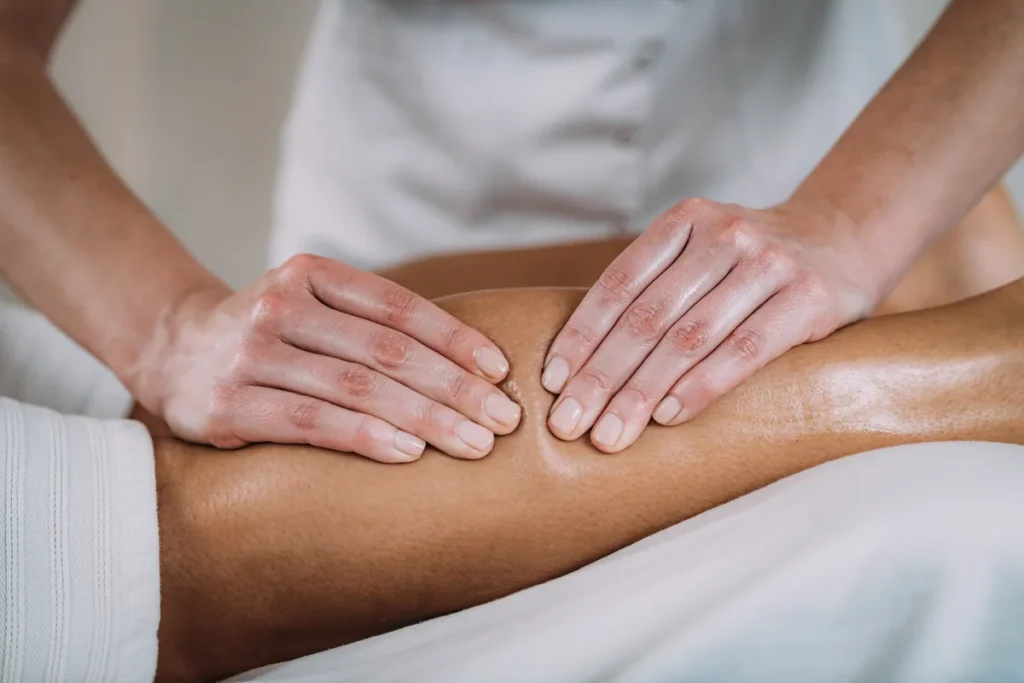
Lymphatic drainage massage uses very light, rhythmic strokes applied to the skin in specific directions to encourage fluid movement through the lymphatic vessels. A certified lymphatic therapist follows the body’s natural drainage pathways in a sequenced approach that is specifically designed to work with the lymphatic system rather than the muscles beneath the skin. The technique is far gentler than most recovery massages, which distinguishes it from sports massage or deep tissue work. For a detailed look at how the technique works, how manual lymphatic drainage works covers the full process.
Lymphatic drainage therapy, whether delivered manually or through a device-based approach, is generally positioned within a recovery plan as one component among several rather than as a complete recovery solution. It works alongside rest, hydration, movement guidance, and other practitioner recommendations. The specific role it plays depends on the individual’s circumstances and the recovery context.
Manual Lymphatic Drainage vs Device-Assisted Lymphatic Drainage
Manual lymphatic drainage is performed by a trained therapist using hands-on technique. It is highly personalised, tailored to the individual’s goals and adjusted by the therapist throughout the session. Sessions typically last between 45 and 90 minutes and require a certified practitioner with specialist training.
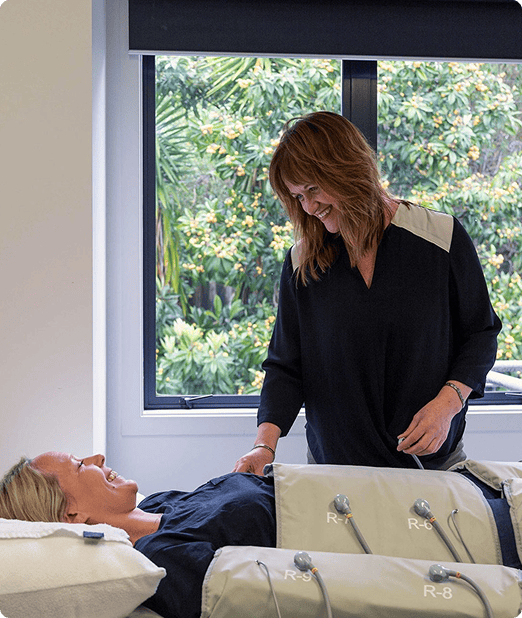
Device-assisted approaches use pneumatic compression garments to apply sequential air pressure across the body, supporting fluid movement through a consistent, calibrated pattern. Professional clinical systems like Flowpresso® combine cyclic pneumatic compression with gentle thermotherapy and deep pressure stimulation, delivering all three modalities simultaneously in a 40-minute session under licensed practitioner supervision. Flowpresso® is an FDA-cleared Class II medical device intended to support overall well-being, not to diagnose, treat, cure, or prevent any disease.
A straightforward comparison of the two approaches:
- Manual lymphatic drainage: hands-on, therapist-led, highly personalised, adapts to individual response in real time
- Device-assisted approaches: consistent, calibrated pressure pattern, full-body coverage, multi-modal options available in professional clinical settings
- Both: used under qualified supervision, most consistent as part of a broader recovery protocol
Lymphatic Drainage After Exercise and Sports
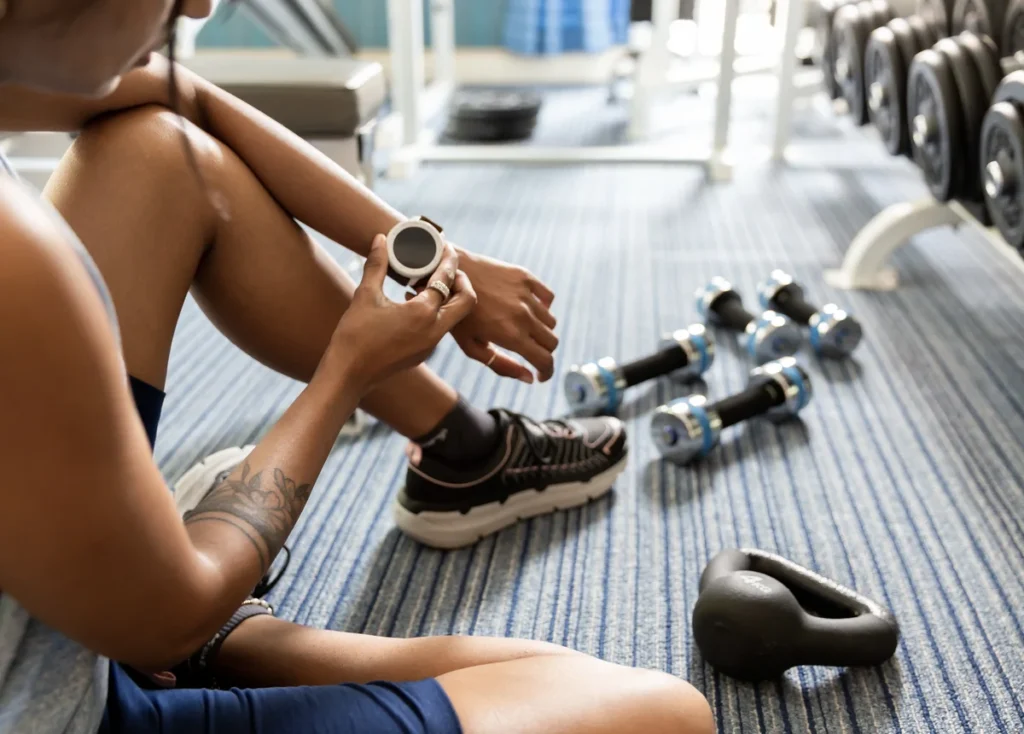
Post-workout muscle recovery involves clearing metabolic byproducts from the tissues and supporting the body’s natural repair processes. Sports recovery massage is one well-established approach for this. Lymphatic drainage massage after exercise takes a different angle, focusing on fluid movement and waste clearance rather than muscle manipulation. People who incorporate effective ways to boost lymphatic health into their post-exercise routine often combine gentle movement, hydration, and scheduled lymphatic sessions as complementary elements.
Timing matters in sports recovery contexts. A post-workout massage session immediately after intense exercise may not be appropriate for everyone, and a sports medicine professional is best placed to advise on when lymphatic drainage fits into a training or competition recovery schedule. What works well for one athlete may look quite different for another depending on the sport, the intensity of training, and individual recovery patterns.
Lymphatic Drainage During Post Surgical Recovery
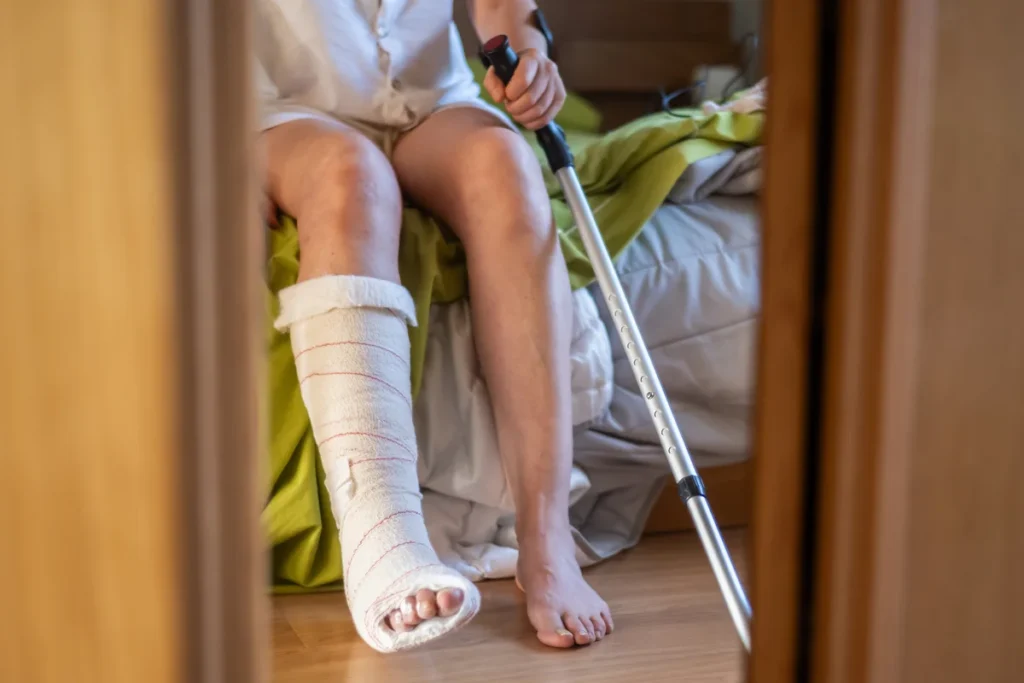
Post surgical lymphatic drainage is one of the most established applications of manual lymphatic drainage therapy. Surgical procedures disrupt tissue and lymphatic pathways, and the localized fluid accumulation that commonly follows is something the lymphatic system works to resolve over time. Lymphatic drainage for post surgery recovery involves specific timing and technique considerations that are determined by the supervising surgeon and the lymphatic therapist working together.
Recovery after surgery is individual in nature. Session timing, technique, and frequency are all shaped by the type of procedure, the stage of healing, and any specific guidance from the surgical team. Post surgical lymphatic drainage should always be initiated and monitored under qualified healthcare supervision. It is not something to introduce independently or based on general wellness advice alone.
Edema treatment massage following surgery is incorporated in the context of the fluid accumulation that commonly follows surgical procedures. The therapist works within the surgical team’s guidelines and adjusts technique based on how the tissue is responding at each visit.
The Role of Lymphatic Drainage Exercises
Lymphatic drainage exercises are simple, gentle movements designed to activate the muscle contractions that naturally support lymphatic flow without placing strain on recovering tissues. They are often taught by therapists or physiotherapists for use between professional sessions, particularly during recovery periods when movement is limited.
Common lymphatic drainage exercises used in recovery contexts include:
- Deep diaphragmatic breathing, associated with pressure changes that may support lymph fluid movement through the thoracic duct
- Gentle ankle circles and foot pumps to support circulation in the lower legs
- Light walking as approved by the treating practitioner, which engages calf muscle activity associated with lymphatic circulation
- Shoulder and arm circles for upper body lymphatic support
- Gentle neck rotations to support cervical lymph node drainage
These exercises are not a replacement for professional sessions. They work best as a complement to manual or device-assisted lymphatic drainage within a practitioner-designed recovery plan. The specific exercises, frequency, and timing should always be guided by the treating healthcare team.
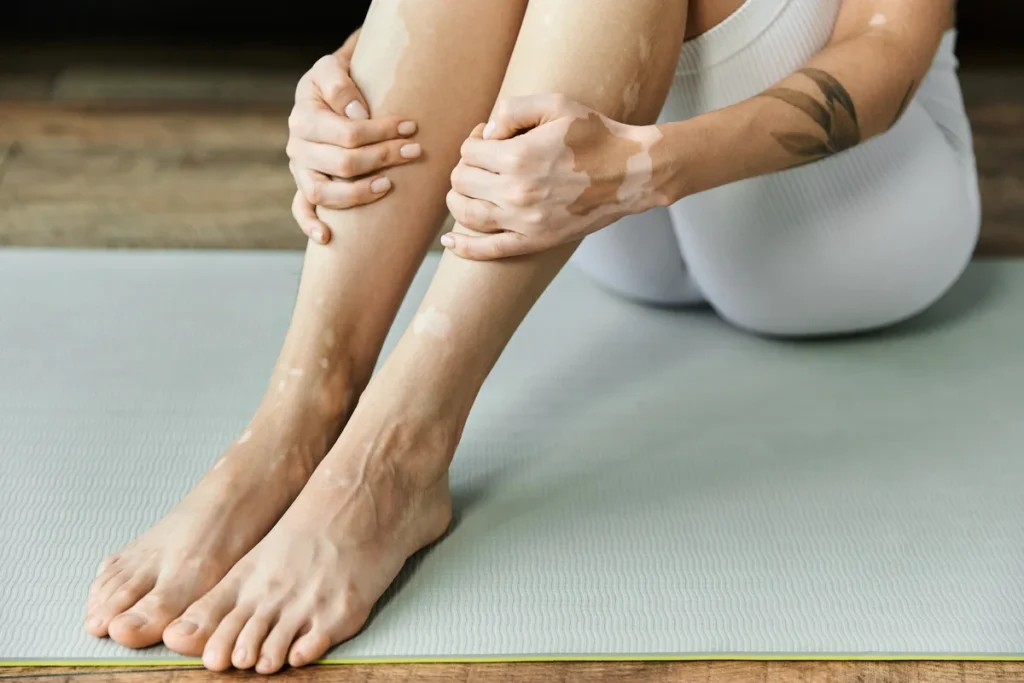
Lymphatic Drainage and Physical Recovery at a Glance
Lymphatic drainage supports physical recovery by providing structured external support for the body’s natural fluid management and waste clearance processes during periods when movement and muscle activity are reduced. Manual lymphatic drainage massage uses gentle, rhythmic technique to encourage fluid movement through the lymphatic vessels. Device-assisted lymphatic drainage therapy, including professional pneumatic compression systems, applies consistent sequential pressure to support similar processes across the full body in a supervised clinical setting.
After exercise, lymphatic drainage massage and post-workout massage approaches address the fluid and waste clearance demands that follow strenuous physical activity. In post-surgical recovery, post surgical lymphatic drainage is incorporated into structured rehabilitation programs to support the resolution of localized fluid accumulation under practitioner supervision. Lymphatic drainage exercises provide a low-intensity option for maintaining lymphatic flow between professional sessions.
The potential lymphatic drainage benefits within a recovery context are more commonly described when sessions are part of a structured, practitioner-guided plan rather than used in isolation. Recovery plans are designed around the specific needs and circumstances of each person.
When to Speak With a Licensed Healthcare Professional
A licensed healthcare professional or certified lymphatic therapist is the right starting point for anyone considering lymphatic drainage as part of a recovery routine. This is particularly important for people recovering from surgery, those managing lymphatic congestion or persistent swelling, and those with existing health conditions that may affect how lymphatic drainage is approached.
Swelling, discomfort, or any symptoms that are worsening rather than improving should be assessed by a healthcare provider before starting any lymphatic drainage program. The supervising practitioner will review health history, assess suitability, and design a plan that fits the individual’s specific recovery context.
FAQ's
What Is Lymphatic Drainage Massage?
Lymphatic drainage massage is a specialized hands-on technique using very light, rhythmic strokes applied to the skin to encourage fluid movement through the lymphatic system. It is performed by certified lymphatic therapists and licensed healthcare professionals with specialist training in the technique. It differs from conventional massage in that it works with the lymphatic vessels just beneath the skin rather than the muscles.
How Does Manual Lymphatic Drainage Support Physical Recovery?
Manual lymphatic drainage supports physical recovery by providing structured external encouragement for fluid movement through the lymphatic vessels during periods when the body’s natural lymphatic drivers are reduced. It is incorporated as one component within a broader practitioner-designed recovery plan. Individual experiences and outcomes vary.
Can Lymphatic Drainage Massage Help After Exercise?
Lymphatic drainage massage is used by some practitioners as part of post-exercise recovery support, focusing on fluid movement and lymphatic support rather than muscle manipulation. The timing, frequency, and suitability of post-workout massage approaches depend on the individual’s training load, recovery patterns, and guidance from a sports medicine professional or certified lymphatic therapist.
What Are Lymphatic Drainage Exercises?
Lymphatic drainage exercises are gentle, low-intensity movements such as deep breathing, light walking, and ankle circles that are designed to engage the muscle activity and breathing patterns associated with lymphatic circulation. They are commonly taught by therapists for use between professional sessions and should be guided by the treating practitioner based on individual recovery needs.
What Is Post Surgical Lymphatic Drainage?
Post surgical lymphatic drainage refers to lymphatic drainage sessions incorporated into recovery programs following surgical procedures. It is sequenced and supervised in coordination with the surgical team, and the timing, technique, and frequency are determined by the treating healthcare professionals based on the individual’s surgical context and recovery stage.
When Should Someone Consider a Sports Recovery Massage?
The timing and type of sports recovery massage, including whether lymphatic drainage massage is appropriate, depends on the sport, the intensity of training, and the individual’s recovery patterns. A sports medicine professional or certified lymphatic therapist is best placed to advise on whether and when lymphatic drainage fits into a specific training or competition recovery schedule.