

Quick Summary:
“Lymphatic congestion refers to a slowdown or disruption in the flow of lymph fluid through the body’s lymphatic network. It can contribute to physical sensations such as heaviness, puffiness, fatigue, and discomfort, particularly in the legs and torso. Common contributing factors include prolonged inactivity, poor circulation, and reduced movement. Wellness approaches such as compression therapy, manual lymphatic drainage, and movement-based routines are commonly used in professional settings to support lymphatic flow.“
That heavy, puffy feeling after a long flight. The sluggishness that builds up after a week of sitting at a desk all day. The swollen, uncomfortable sensation in your legs after standing for hours without a break. These are experiences most people brush off as tiredness, but they are often connected to how well the lymphatic system is managing fluid movement throughout the body. Understanding what lymphatic congestion is, what contributes to it, and how it physically affects daily life is a useful starting point for anyone looking to support their overall well-being.
Common Physical Sensations and Effects
The symptoms of a congested lymphatic system tend to show up gradually rather than all at once. Some of the most commonly reported sensations include:
- Heaviness and puffiness in the limbs. The legs are particularly susceptible because lymph fluid has to work against gravity to move upward toward the torso. Prolonged sitting or standing without movement allows fluid to pool, creating that familiar heavy, swollen feeling by the end of the day.
- General fatigue and low energy. A sluggish lymphatic system means the body is less efficient at clearing cellular waste from the tissues. Many people with signs of lymphatic congestion describe a persistent tiredness that does not resolve with rest alone.
- Skin changes and puffiness. Fluid retained in the tissues can create a puffy or bloated appearance, particularly around the ankles, abdomen, and face after waking.
- Discomfort and stiffness. Some people report a general sense of physical discomfort or stiffness, particularly in the morning or after long periods of immobility. There is also a noted connection between lymphatic congestion and lower back discomfort, with some people finding that supporting lymphatic flow contributes to improved comfort in that area.
- Reduced sense of physical ease. A congested lymphatic system can contribute to a general feeling of being physically heavy or uncomfortable, as if the body is carrying more than it should.
Lifestyle Factors That May Contribute to Lymphatic Congestion

Several everyday habits and circumstances can slow lymphatic flow over time. Knowing what causes lymphatic congestion helps people make more intentional choices about their movement and wellness routines.
- Prolonged sitting or inactivity is one of the most significant contributing factors. Desk-based work, long commutes, and extended travel all reduce the muscle activity that drives lymphatic circulation. The calf muscles in particular act as a secondary pump for lymph fluid in the legs. Reduce their activity and fluid movement slows.
- Dehydration affects the consistency and flow of lymph fluid. The lymphatic system relies on adequate hydration to function efficiently, and chronic mild dehydration can contribute to sluggishness in fluid movement.
- High stress levels affect the autonomic nervous system, which in turn influences circulatory and lymphatic function. People under persistent stress often report physical symptoms that overlap with signs of lymphatic congestion, including fatigue, puffiness, and reduced physical comfort.
- Poor sleep reduces the body’s opportunity to carry out overnight tissue repair and fluid clearance processes, which can contribute to morning puffiness and a feeling of physical heaviness that carries through the day.

How Circulation and Movement Relate to Lymphatic Flow
Movement is the most direct way to support lymphatic circulation. Walking, stretching, deep breathing, and regular physical activity all activate the muscle contractions that drive lymph fluid through its vessels. Even moderate daily movement makes a meaningful difference to how efficiently a congested lymphatic system can begin to clear.
Circulation and lymphatic flow are closely interconnected. Improved blood circulation supports the broader fluid environment in which the lymphatic system operates. This is why approaches that address both circulation and lymphatic drainage simultaneously tend to be particularly effective in professional wellness settings.
Wellness and Recovery Approaches for Lymphatic Support
Several well-established approaches are commonly used in professional clinical and wellness settings to support lymphatic flow and address the physical sensations associated with lymphatic congestion.
- Manual lymphatic drainage massage uses light, rhythmic hands-on techniques applied by a trained therapist to encourage fluid movement through the lymphatic vessels. It is one of the most established approaches to clearing lymphatic congestion naturally and is widely available in clinical and wellness centres.
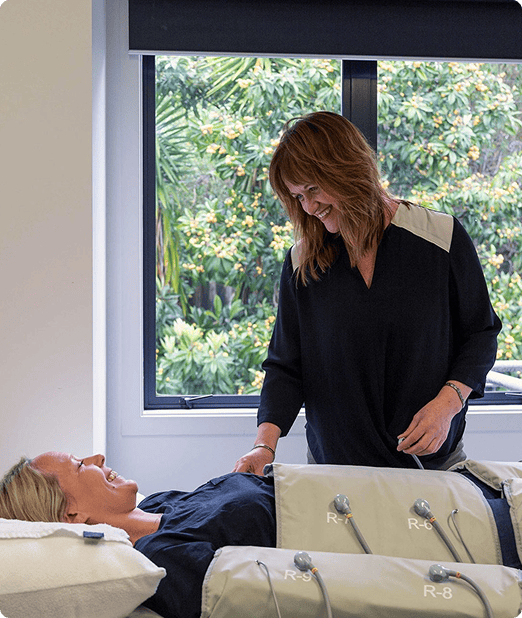
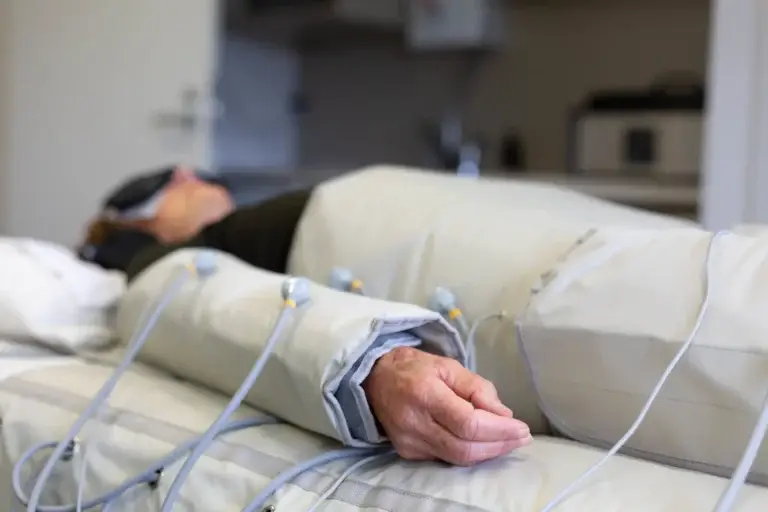
- Compression therapy through professional pneumatic compression systems applies sequential air pressure across the body, supporting fluid movement and venous return in a way that replicates the body’s natural muscle pump. Flowpresso® is an FDA-cleared Class II medical device designed for use under the supervision of a licensed healthcare practitioner. It combines cyclic pneumatic compression with gentle thermotherapy and deep pressure stimulation, offering a multi-layered session experience used by chiropractors, physical therapists, naturopathic doctors, and physicians as part of broader wellness protocols.
- Movement-based approaches such as rebounding, yoga, and walking are often recommended as complementary daily habits for people looking to support ongoing lymphatic flow between professional sessions.
Why People Seek Lymphatic Support
Most people come to lymphatic support not because of a specific diagnosis but because of how their body feels day to day. The desire to feel lighter, less puffy, more energised, and more physically comfortable is a very real and practical motivation.
Professional compression therapy sessions, in particular, have built a following among people who want structured, passive support for their lymphatic system. The combination of rhythmic pressure, warmth, and deep stimulation that systems like Flowpresso® provide creates a session experience that many people describe as one of the most restorative parts of their wellness week, not just physically but in terms of overall ease and calm. For people who want to reduce lymphatic congestion and support their body’s natural fluid management, a supervised professional session provides a consistent, reliable starting point.
FAQ's
1. What does lymphatic congestion feel like?
Lymphatic congestion symptoms typically include a sense of heaviness or puffiness in the limbs, general fatigue, skin that appears puffy or bloated, and a feeling of physical discomfort or stiffness. The legs and abdomen are most commonly affected. The sensations tend to worsen after extended periods of inactivity and improve with movement and circulation support.
2. Can sitting too long affect lymphatic flow?
Prolonged sitting significantly reduces the muscle contractions that drive lymph fluid through the lymphatic vessels. The calf muscles in particular play a key role in pumping fluid upward from the legs. Extended periods of inactivity, whether at a desk, during travel, or at rest, can contribute to fluid pooling and the sensations associated with a congested lymphatic system.
3. Why do some people experience heaviness or puffiness in their legs?
Heaviness and puffiness in the legs are among the most common signs of lymphatic congestion. Fluid that is not being efficiently cleared from the tissues accumulates, particularly in the lower extremities where it has to move against gravity. Dehydration, prolonged inactivity, high sodium intake, and reduced circulation can all contribute to this sensation.
4. How does movement support circulation and lymphatic flow?
Physical movement activates the muscle contractions that serve as the lymphatic system’s primary pump. Walking, stretching, and deep breathing all contribute to lymph fluid movement through the vessels. Even light regular movement throughout the day can help prevent the fluid stagnation associated with lymphatic congestion.
5. What role does compression therapy play in wellness routines focused on lymphatic support?
Compression therapy through professional clinical systems applies sequential pneumatic pressure that mimics the body’s natural muscle pump, supporting lymph fluid movement and venous return. It is commonly incorporated into wellness routines focused on fluid retention, circulation support, and recovery. Professional systems like Flowpresso® combine compression with thermotherapy and deep pressure stimulation for a more comprehensive session under licensed practitioner supervision.
6. Why do some recovery systems include heat therapy alongside compression?
Heat therapy, or thermotherapy, is integrated into advanced clinical systems like Flowpresso® as an additional session element. The consistent gentle warmth contributes to a sense of physical ease and comfort during the session, complementing the mechanical compression. For people seeking to reduce lymphatic congestion and support circulation, the combination of heat and compression in a professional setting creates a more complete session experience than compression alone.