

The lymphatic system plays an important role in maintaining fluid balance, supporting immune function, and helping the body manage inflammation. Although it is often discussed in relation to swelling and fluid retention, its influence extends further. The lymphatic system also has connections to processes involved in pain, tissue health, and recovery.
When lymphatic function is impaired, fluid and waste products can accumulate in tissues, potentially contributing to swelling, inflammation, pressure, and discomfort. Understanding this relationship can provide useful insight into why some conditions are associated with persistent pain and why supporting lymphatic health may form part of a broader approach to recovery and wellbeing.
In this article, we explore how the lymphatic system relates to pain, inflammation, and the body’s natural recovery processes.
Quick Summary:
The lymphatic system helps maintain fluid balance, supports immune function, and contributes to the regulation of inflammation. When lymphatic drainage is impaired, fluid can accumulate in tissues and contribute to swelling, pressure, and discomfort.
Although lymphatic dysfunction is not the cause of all pain, it can play a role in certain conditions, particularly those involving chronic swelling and inflammation. Approaches such as manual lymphatic drainage, compression therapy, and gentle movement may help support lymphatic function when clinically appropriate.
How Does the Lymphatic System Affect Pain?
The lymphatic system is a network of vessels, nodes, and organs responsible for collecting excess fluid from body tissues and returning it to the bloodstream. It also transports immune cells and helps remove cellular waste, pathogens, and other substances from the tissues.
This function is important because fluid balance and inflammation are closely connected to tissue health.
When lymphatic flow is disrupted or overwhelmed, fluid may accumulate in the surrounding tissues. This can lead to swelling, known as edema. As swelling increases, pressure within the tissues may also increase, potentially contributing to discomfort, heaviness, tightness, and reduced mobility. [See our article: Why sitting too long affects fluid movement]
There are several ways lymphatic dysfunction may be associated with pain:
- Increased tissue pressure: Excess fluid can create pressure within surrounding tissues, contributing to discomfort and restricted movement.
- Inflammatory activity: The lymphatic system helps transport immune cells and inflammatory substances. Impaired drainage may affect how these substances are cleared from tissues.
- Changes in tissue health: Persistent swelling can contribute to tissue changes, stiffness, and reduced mobility over time.
- Nerve sensitivity: In some circumstances, swelling and inflammation may affect nearby nerves or contribute to increased sensitivity.
It is important to recognize that pain is complex. Lymphatic dysfunction may contribute to pain in some individuals, but it is rarely the only factor involved.

The Connection Between Lymphatic Drainage, Inflammation, and Pain
Inflammation is a natural part of the body’s immune response. When tissue is injured or exposed to infection, the immune system sends cells and signaling molecules to the affected area to support healing.
The lymphatic system helps manage this process by transporting excess fluid, immune cells, and inflammatory substances away from tissues and toward lymph nodes, where immune activity can take place.
When lymphatic function is compromised, this process may become less efficient.
Why This Matters
Persistent swelling and inflammation can affect how tissues function. Depending on the underlying condition, this may contribute to:
- A feeling of heaviness or tightness.
- Localized tenderness or discomfort.
- Reduced range of motion.
- Increased sensitivity in affected areas.
- Changes in skin and underlying tissue over time.
In conditions such as lymphedema, chronic fluid accumulation can lead to ongoing tissue changes and discomfort. Managing swelling is therefore an important part of supporting tissue health and maintaining mobility.
However, the relationship between lymphatic function and inflammation is complex. Not all inflammation is caused by lymphatic dysfunction, and improving lymphatic drainage should not be considered a universal treatment for pain.
Lymphedema: When Lymphatic Dysfunction Contributes to Discomfort
One of the clearest examples of the relationship between lymphatic function and physical discomfort is lymphedema.
Lymphedema occurs when the lymphatic system cannot adequately drain fluid from tissues. [Source: National Cancer Institute – Lymphedema] This can happen because lymphatic vessels or nodes are damaged, removed, or not functioning properly.
Common causes include:
- Cancer treatment, including lymph node removal or radiation therapy.
- Congenital conditions affecting lymphatic development.
- Injury or damage to lymphatic vessels.
- Certain infections or medical conditions.
Symptoms can include:
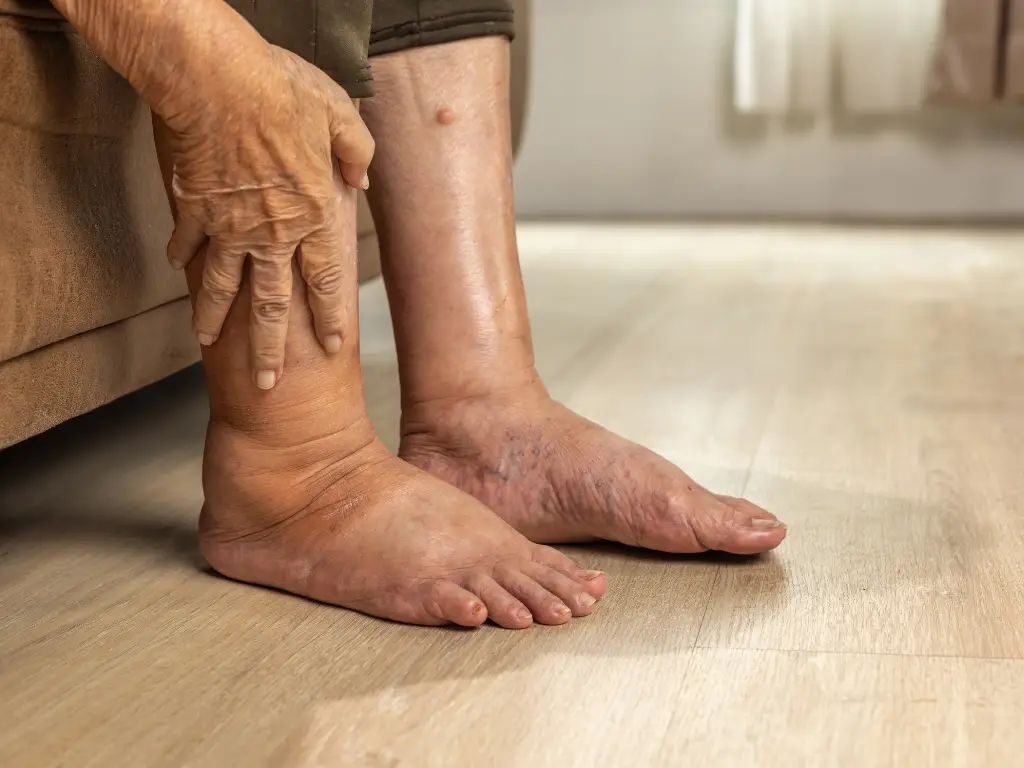
- Persistent swelling in an arm, leg, or another area of the body.
- A feeling of heaviness or tightness.
- Reduced flexibility or range of motion.
- Skin thickening or changes in texture.
- Aching or discomfort in the affected area.
Over time, untreated or poorly managed lymphedema can lead to tissue changes and an increased risk of skin infections.
Lymphedema is an established example of why lymphatic health matters. Appropriate management can help control swelling, support mobility, and improve quality of life.
The Lymphatic System and the Autonomic Nervous System
The lymphatic system and autonomic nervous system are interconnected parts of the body’s broader regulatory network.
The autonomic nervous system regulates involuntary functions such as heart rate, blood pressure, digestion, and aspects of immune activity. It has two primary branches:
Sympathetic nervous system: Involved in the body’s stress response, often described as fight or flight.
Parasympathetic nervous system: Supports functions associated with rest, digestion, and recovery.
Research continues to explore the relationship between autonomic regulation, immune activity, inflammation, and lymphatic function.
The lymphatic system is not simply a passive drainage network. Lymphatic vessels are influenced by surrounding tissues, mechanical forces, and biological signaling. Autonomic activity may also influence aspects of lymphatic function.
This relationship is particularly interesting when considering chronic stress, inflammation, and recovery. However, the science is still developing, and there is not yet sufficient evidence to conclude that directly stimulating lymphatic flow reliably produces a sustained shift toward parasympathetic activity.
What is clear is that the body’s systems work together. Supporting general health through movement, sleep, appropriate recovery, and management of underlying medical conditions can benefit overall physiological function.
What Conditions Are Associated With Lymphatic Dysfunction and Pain?
Lymphatic dysfunction can occur in a range of medical circumstances. Some conditions are directly related to impaired lymphatic drainage, while others involve more complex relationships between inflammation, fluid balance, and pain.
Examples include:
Lymphedema
As discussed above, lymphedema involves the accumulation of lymphatic fluid in tissues. Swelling, heaviness, tightness, and reduced mobility are common symptoms.
Lipedema
Lipedema is a chronic condition characterized by an abnormal accumulation of fatty tissue, typically affecting the legs and sometimes the arms. It can be associated with tenderness, pain, easy bruising, and swelling.
Although lymphatic dysfunction may be present in some individuals with lipedema, the condition is not simply a lymphatic drainage disorder.
Post-Surgical Swelling
Surgery can temporarily disrupt normal fluid movement and trigger an inflammatory response. Swelling is a common part of the healing process, although its duration and severity vary depending on the procedure and individual circumstances.
In some cases, surgery involving lymph nodes or lymphatic vessels can increase the risk of longer-term lymphatic complications.
Chronic Inflammatory Conditions
Some inflammatory conditions involve changes in fluid balance, immune activity, and tissue function. The lymphatic system plays an important role in immune regulation, but the relationship between lymphatic function and chronic inflammatory pain varies by condition.
A healthcare professional can help determine whether lymphatic dysfunction is contributing to an individual’s symptoms.
What Treatments Can Support Lymphatic Health?
There are several approaches used to support lymphatic function, particularly when swelling or lymphatic dysfunction is present.
The appropriate approach depends on the individual’s diagnosis, medical history, and treatment goals.
1. Manual Lymphatic Drainage
Manual lymphatic drainage (MLD) is a specialized, gentle massage technique designed to encourage the movement of lymphatic fluid through the lymphatic vessels. [Source: NHS – Lymphoedema]
It is commonly used as part of complete decongestive therapy for people with lymphedema.
MLD uses light, rhythmic movements rather than the deeper pressure associated with conventional massage. Treatment is generally performed by a trained practitioner and tailored to the individual’s needs.
2. Compression Therapy
Compression therapy uses external pressure to help manage swelling and support fluid movement.
Depending on the condition, compression may involve:
- Compression garments.
- Bandaging.
- Pneumatic compression devices.
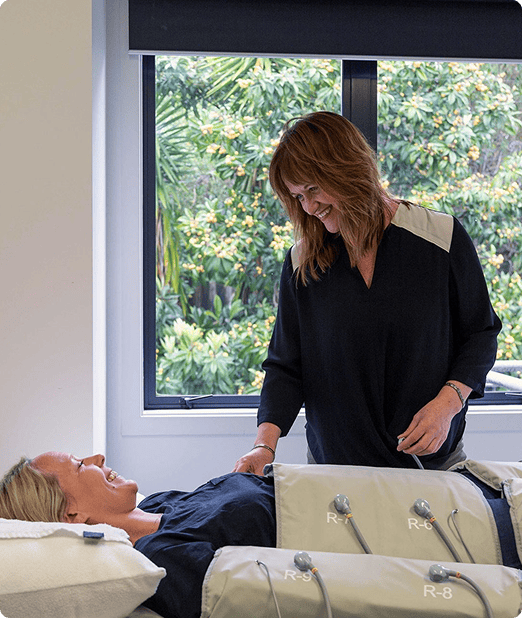
Sequential pneumatic compression devices use inflatable chambers to apply controlled, intermittent pressure to the limbs or body. These devices are used in certain clinical settings to support fluid management.
Compression therapy is not appropriate for everyone. Assessment is important, particularly for individuals with certain cardiovascular, vascular, or other medical conditions.
3. Movement and Exercise
Movement plays an important role in lymphatic circulation.
Unlike the cardiovascular system, which relies on the heart to pump blood, the lymphatic system depends on a combination of mechanisms, including muscle contractions, breathing, and the movement of surrounding tissues.
Gentle activities such as walking, stretching, and prescribed exercises can help encourage lymphatic flow.
For individuals managing lymphedema or recovering from surgery, exercise should be appropriate to their condition and recovery stage.
4. Skin Care
Maintaining healthy skin is particularly important for individuals with lymphatic conditions.
Persistent swelling can increase the risk of skin changes and infection. Keeping skin clean and moisturized, protecting it from injury, and promptly addressing signs of infection are important parts of managing lymphedema.
5. A Comprehensive Treatment Approach
For individuals with diagnosed lymphedema, treatment may involve a combination of approaches rather than one standalone intervention.
Complete decongestive therapy is a widely used approach that may include manual lymphatic drainage, compression, exercise, and skin care.
Treatment should be guided by a qualified healthcare professional with experience in lymphatic conditions.
When Should You Seek Professional Assessment?
Pain and swelling can have many different causes. While lymphatic dysfunction may contribute to some symptoms, it is important not to assume that all swelling or discomfort is lymphatic in origin.
Consider seeking professional assessment if you experience:
- Persistent or unexplained swelling.
- A feeling of heaviness or tightness in a limb.
- Swelling that does not improve or continues to worsen.
- Changes in skin texture or thickness.
- Ongoing discomfort following surgery.
- Reduced mobility associated with swelling.
Sudden swelling, particularly when accompanied by pain, redness, warmth, or shortness of breath, requires prompt medical assessment. These symptoms can indicate conditions that need urgent attention, including a blood clot or infection.
A healthcare professional can assess the underlying cause and recommend appropriate treatment.
Supporting Lymphatic Health: The Bigger Picture
The lymphatic system is essential to fluid balance, immune function, and tissue health. Although it is not the cause of all pain, impaired lymphatic function can contribute to swelling, pressure, and discomfort in certain conditions.
Understanding the relationship between lymphatic drainage, inflammation, and pain helps explain why lymphatic health is an important consideration in areas such as lymphedema management, post-surgical recovery, and ongoing swelling.
Approaches such as manual lymphatic drainage, compression therapy, movement, and appropriate skin care can form part of a comprehensive management plan when clinically indicated.
The most effective approach begins with understanding the underlying cause of symptoms and working with qualified healthcare professionals to develop an appropriate treatment plan.
Frequently Asked Questions
Impaired lymphatic drainage can contribute to fluid accumulation and swelling. This may create pressure in surrounding tissues and contribute to heaviness, tightness, tenderness, or discomfort. However, pain has many possible causes, and lymphatic dysfunction is only one potential contributing factor.
The lymphatic system plays an important role in transporting fluid, immune cells, and inflammatory substances. Manual lymphatic drainage and other lymphatic management techniques may help manage swelling in certain conditions. Their effects on inflammation and pain depend on the underlying condition and should not be generalized to everyone
Manual lymphatic drainage may help manage swelling and discomfort in some individuals, particularly those with lymphedema. Evidence for its use in other chronic pain conditions varies. It should be considered as part of an appropriate treatment plan rather than a standalone solution for chronic pain.
Manual lymphatic drainage uses very light, rhythmic movements designed to encourage lymphatic fluid movement. Traditional massage typically works more deeply into muscles and soft tissues to address tension and discomfort. The techniques have different purposes and are not interchangeable.
Yes. Muscle contractions and breathing help support lymphatic circulation. Gentle movement and appropriately prescribed exercise can be beneficial for lymphatic health, including for many people managing lymphedema.
The lymphatic system contributes to immune regulation and the movement of inflammatory substances. However, systemic inflammation has many possible causes. Lymphatic dysfunction may be relevant in some conditions, but it should not be assumed to be the cause of widespread inflammation.