

Quick Summary:
“Manual lymphatic drainage is a specialized hands-on technique using light, rhythmic movements to encourage fluid movement through the lymphatic system. It is performed by trained therapists in clinical and wellness settings as part of broader recovery and well-being routines.“
Booking a first session with a lymphatic drainage therapist can feel a little mysterious if you are not sure what to expect. The technique looks nothing like a typical massage, the pressure is much lighter than most people anticipate, and the movements follow a specific pattern that takes years to learn properly. Understanding what manual lymphatic drainage actually involves makes the whole experience easier to approach and more useful to think about as part of a wellness routine.
What Is Manual Lymphatic Drainage?
Manual lymphatic drainage is a specialized massage technique that uses very light, rhythmic strokes applied to the skin in specific directions to encourage the natural movement of lymph fluid through the lymphatic system. It is distinct from conventional massage in both technique and intention. Where standard massage works on muscles and deeper tissues, manual lymphatic drainage works at the skin level, following the pathways of the lymphatic vessels and nodes.
The technique was developed in the 1930s by Danish practitioners Emil and Estrid Vodder and has since become a well-established approach to lymphatic support used in clinical and wellness settings worldwide. It is performed by certified lymphatic therapists, physiotherapists, and other licensed healthcare professionals with specialist training in the method.
How Does Manual Lymphatic Drainage Work?
Manual lymphatic drainage works by stimulating the superficial lymphatic vessels just beneath the skin, encouraging them to contract and move lymph fluid in the direction of the lymph nodes as part of the body’s natural drainage process. The lymphatic flow supported by this technique follows the body’s natural drainage pathways, and trained therapists learn these pathways in detail as part of their certification.
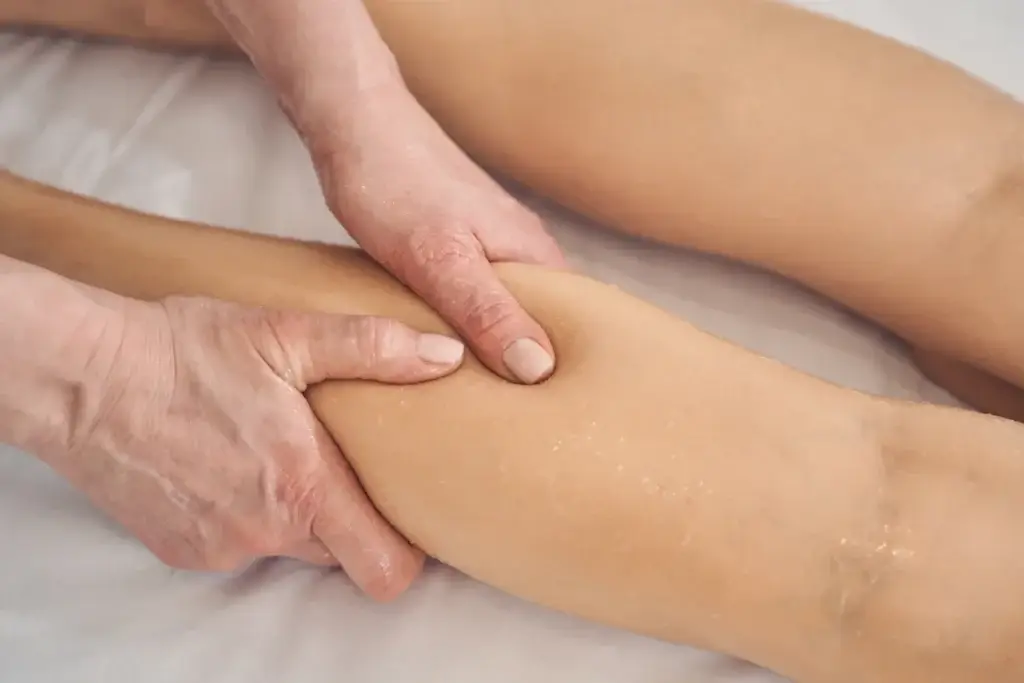
The pressure used is intentionally very light, far lighter than most people expect. The lymphatic vessels sit just below the surface of the skin and respond to gentle stimulation. Applying too much pressure would compress rather than stimulate them, reducing the effectiveness of the technique. The movements are slow, rhythmic, and repetitive, creating a wave-like quality that gently encourages fluid movement through the lymphatic network.
Manual lymphatic drainage massage sessions typically begin at the lymph nodes, clearing the downstream pathway before working to move fluid toward them. A therapist treating the legs, for example, would start at the groin and work outward before applying movements to the lower legs and feet. This sequencing is what distinguishes a properly trained manual lymph drainage therapist from someone applying generic massage techniques to the same area.
How Is Manual Lymphatic Drainage Done?
A typical session begins with the client lying comfortably, usually undressed to the level appropriate for the area being worked on and covered with a sheet. The therapist starts at the core lymph node clusters, such as those in the neck, armpits, or groin depending on the focus area, before working outward across the body in slow, light strokes.
Manual sessions typically last between 45 and 90 minutes depending on the area being addressed and the individual’s wellness goals. The pace is slow throughout. Many people find the experience deeply relaxing, and it is not unusual to feel calm or even sleepy during a session.
After the session, the therapist may recommend staying well hydrated and doing light movement to support continued lymphatic drainage in the hours that follow. These post-session habits form an important part of the overall experience.
What Happens During a Typical Session?
First-time clients are often surprised by how gentle the whole process is. There is no firm pressure, no kneading, and no intensity associated with deep tissue work. The therapist’s hands move slowly across the skin in a repetitive, wave-like pattern that most people find very calming rather than stimulating.
The session follows a structured sequence based on the individual’s wellness goals and the therapist’s assessment. Communication throughout is important, and a good therapist will check in regularly to ensure the experience remains comfortable. People with specific health considerations will have discussed those with the therapist before the session begins, and the approach will be adjusted accordingly.
Manual Lymphatic Drainage vs Compression Therapy
Manual lymphatic drainage is a hands-on technique performed by a trained therapist using very light, rhythmic strokes to encourage fluid movement through the lymphatic vessels. It is tailored to the individual’s needs during each session and effects are generally felt for a few days.
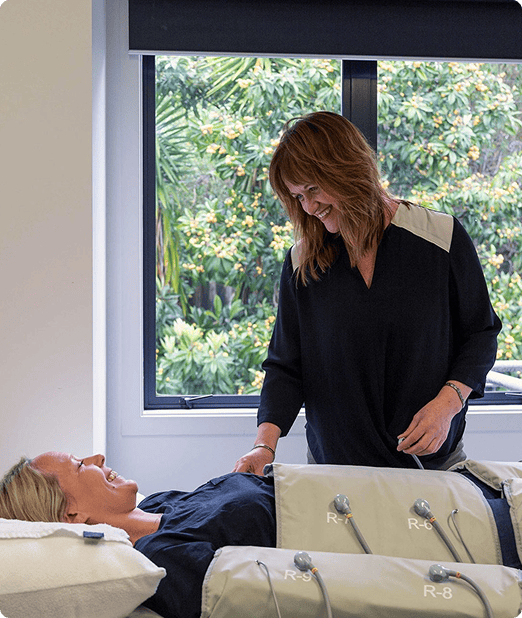
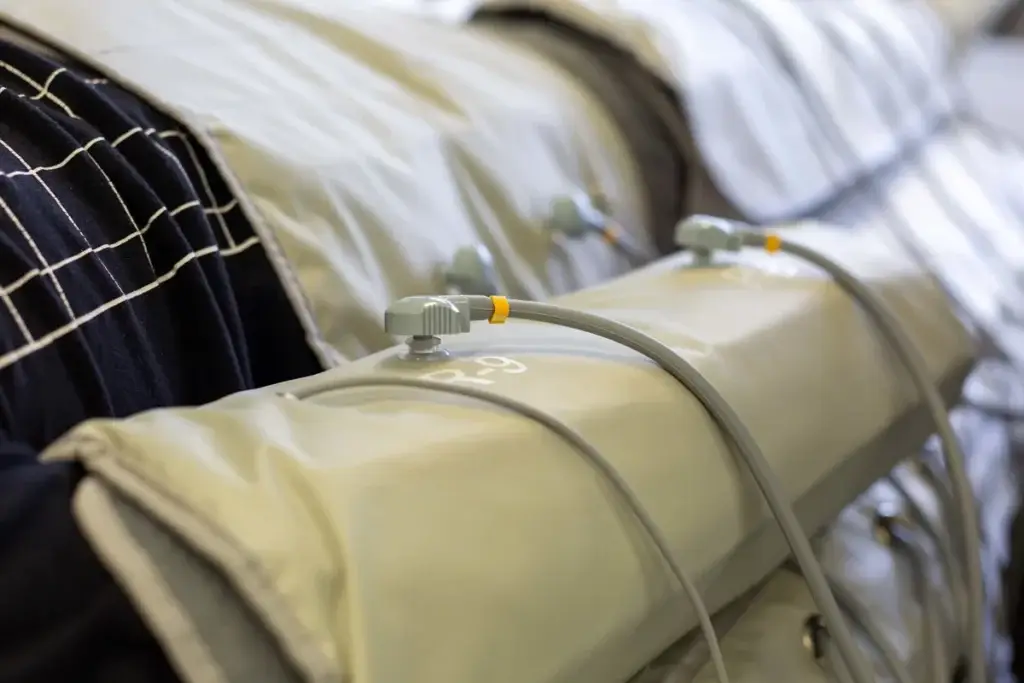
Compression-based lymphatic drainage uses pneumatic compression through a garment to apply sequential pressure across the body, encouraging fluid movement from the extremities toward the core. Professional clinical systems like Flowpresso® combine cyclic pneumatic compression with gentle thermotherapy and deep pressure stimulation, offering a multi-layered session experience under licensed practitioner supervision. Flowpresso® is an FDA-cleared Class II medical device designed for use under the supervision of a licensed healthcare practitioner and is intended to support overall well-being, not to diagnose, treat, cure, or prevent any disease.
Here is a quick comparison of the two approaches:
- Manual lymphatic drainage: hands-on, therapist-led, highly personalized, targets specific areas
- Compression therapy: device-based, consistent pressure pattern, full-body coverage, can include thermotherapy and deep pressure stimulation
- Both: designed to work with the body’s natural lymphatic processes, most consistent as part of a regular wellness routine
When to Speak With a Licensed Healthcare Professional
A licensed healthcare professional or certified lymphatic therapist is the right person to advise on whether manual lymphatic drainage is suitable for any individual’s wellness goals. This is particularly important for people with existing health conditions, those who are pregnant, those recovering from surgery, or those with conditions affecting the lymphatic or circulatory systems.
Swelling, fluid retention, or discomfort that is persistent or worsening should always be assessed by a healthcare provider. Those experiencing signs of lymphatic blockage should speak with a qualified practitioner rather than relying on wellness sessions alone. Understanding the autonomic nervous system and its role in lymphatic health can also be a useful starting point for understanding why professional guidance matters in this area.
FAQ's
1. Who Performs Manual Lymphatic Drainage Massage?
Manual lymphatic drainage is performed by certified lymphatic therapists, physiotherapists, and other licensed healthcare professionals who have received specialist training in the technique. Certification programs exist through several recognized professional bodies, and it is worth confirming a therapist’s credentials before booking a session.
2. How Often Should Someone Receive Manual Lymphatic Drainage?
Session frequency varies depending on individual wellness goals and the guidance of a licensed healthcare professional. There is no universal schedule. Some people incorporate it as a regular monthly wellness practice, while others may attend more frequently during specific periods such as post-surgical recovery or times of higher physical demand. A qualified practitioner will advise on what is appropriate for each individual.
3. Is Manual Lymphatic Drainage Safe?
Manual lymphatic drainage is generally considered safe for most healthy adults when performed by a trained and certified practitioner. There are situations where it may not be appropriate, including active infections, certain heart conditions, blood clots, or other contraindicated health circumstances. A qualified practitioner will always conduct an assessment before beginning a session to confirm suitability.
4. Can You Do Manual Lymphatic Drainage on Yourself?
Self-directed lymphatic drainage techniques exist and are sometimes taught by therapists for use between sessions. These typically involve very light, gentle movements applied to the skin following simplified drainage pathways. They are generally used as a complementary practice alongside professional sessions rather than as a replacement for them.
5. Is Manual Lymphatic Drainage Different from Compression Therapy?
Manual lymphatic drainage uses hands-on techniques applied by a trained therapist following specific lymphatic pathways. Compression therapy uses device-based pneumatic pressure applied through a garment in a sequential pattern. Both support lymphatic flow but work through different mechanisms and are used in different clinical and wellness contexts.
6. What Should I Expect After a Manual Lymphatic Drainage Session?
Most people describe feeling calm, lighter, and physically at ease following a session. Some mild temporary effects such as increased thirst or the need to use the bathroom more frequently are not uncommon as the body continues its natural fluid management process. Therapists typically recommend staying well hydrated, doing light movement, and avoiding strenuous activity in the hours immediately following a session.