

Quick Summary:
“The effects of a lymphatic drainage session typically last a few days to around a week, depending on individual lifestyle factors like hydration, movement, and sleep. Regular sessions combined with supportive daily habits tend to produce a more sustained sense of well-being over time.”
After a lymphatic drainage session, many people describe feeling lighter, less puffy, and more at ease. The natural question that follows is how long that feeling lasts, and when to book the next one. The honest answer is that it depends, and understanding what it depends on makes the whole experience more useful and realistic.
What Is Lymphatic Drainage?
Lymphatic drainage refers to any approach that encourages fluid movement through the lymphatic system, the body’s network responsible for clearing excess fluid, waste, and immune cells from the tissues and returning them to the bloodstream. The lymphatic system has no central pump of its own. It relies on movement, breathing, and muscle activity to keep fluid circulating.
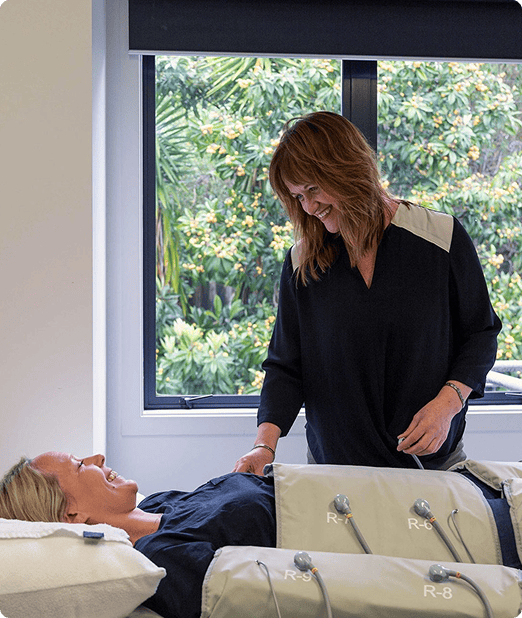
Lymphatic drainage approaches range from hands-on manual techniques performed by a trained therapist to professional compression-based systems used in clinical and wellness settings. Understanding lymphatic flow and how each method works with it helps set realistic expectations for how long the effects may last.
How Long Does Lymphatic Drainage Last?
The effects of a lymphatic drainage session are not permanent, and they are not designed to be. Lymphatic drainage supports the body’s natural fluid management process, and the lymphatic system continues to require regular movement and activity to function efficiently on an ongoing basis.
Most people describe feeling the effects of a lymphatic drainage massage for anywhere from a couple of days to a week following a session. People commonly describe this as a sense of reduced puffiness, a lighter feeling in the legs and body, and an overall sense of physical ease. How long these sensations persist depends significantly on what happens after the session, including hydration levels, physical activity, dietary choices, and sleep quality.
A single session in isolation tends to produce a shorter window of noticeable effect compared to sessions incorporated into a regular wellness routine. How long manual lymphatic drainage lasts compared to compression-based approaches varies, but both are supported by the same post-session lifestyle factors.

Factors Influencing the Effects of Lymphatic Drainage Session:
Several individual factors influence how long the effects of a lymphatic drainage session are noticed. There is no universal timeline, and two people with similar sessions can have quite different experiences based on their daily habits and overall health picture.
Hydration plays a direct role. Lymph fluid requires adequate water to maintain its consistency and flow. Drinking enough water in the days following a session supports the body’s natural fluid management in the days that follow.
Physical movement matters significantly. Even light walking or stretching after a session helps the calf muscles and respiratory movement continue driving lymphatic flow. Extended inactivity after a session tends to shorten the window of noticeable effect.
Sleep quality influences recovery. The body carries out significant fluid management work during sleep, and good rest in the days following a session supports the overall recovery process.
Sodium intake can affect fluid retention. Higher sodium intake in the period following a session can prompt the body to retain additional fluid, which may shorten the perceived duration of the session’s effects.
Consistency of sessions is arguably the most significant factor. People who incorporate lymphatic drainage into a regular routine tend to notice a more sustained baseline level of well-being compared to those who have occasional one-off sessions.
How Often Should You Do Lymphatic Drainage?
How often to have lymphatic drainage sessions is one of the most common questions people ask, and the answer genuinely varies from person to person. A licensed healthcare practitioner is best placed to advise on what makes sense for an individual’s specific wellness goals.
Some general patterns emerge from practice:
- General wellness and maintenance: one to two sessions per month is a common cadence
- Recovery-focused routines or periods of higher physical demand: weekly sessions may be appropriate
- Before or after significant travel: short-term increased frequency to address fluid retention in that window
- Post-surgical wellness support: session timing and frequency guided entirely by the supervising practitioner
The key principle is that consistency over time tends to produce a more sustained experience than sporadic sessions. Scheduling sessions at regular intervals tends to work better than booking them only when something feels off.
Understanding Lasting Results
The duration of the effects from lymphatic drainage sessions is shaped by the whole picture of an individual’s lifestyle. Hydration, daily movement, sleep quality, nutrition, and stress management all influence how the lymphatic system functions between sessions.
There is no universal timeline for how long lymphatic drainage results last. Some people notice effects for two to three days. Others describe feeling the benefits for closer to a week. These differences are normal and reflect the individual nature of the lymphatic system and how it responds to external support.
Approaching lymphatic drainage as one element of a broader wellness routine rather than a standalone solution tends to produce the most consistent experience. The lymphatic vessels and the wider lymphatic network function best when supported by consistent everyday habits between appointments.

Tips to Support Longer-Lasting Results
Supporting the effects of a lymphatic drainage session does not require significant effort, but a few consistent habits make a meaningful difference.
- Drink adequate water in the 24 to 48 hours following a session to support ongoing fluid management
- Do light movement, even short walks, to keep lymphatic flow active
- Avoid high sodium meals in the days after a session to reduce the likelihood of fluid being retained quickly
- Prioritize good sleep in the nights following a session to give the body its recovery window
- Follow the session schedule recommended by the supervising practitioner to support consistency over time
When to Speak With a Licensed Healthcare Professional
A licensed healthcare professional is the right person to advise on session frequency, suitability, and what to expect from lymphatic drainage as part of a personal wellness routine. This is particularly important for people with existing health conditions, those who are pregnant, or those recovering from surgery or injury.
Swelling or fluid retention that is persistent, worsening, or accompanied by other symptoms should be discussed with a healthcare provider. For those looking to understand lymphatic blockage causes and what to watch for, speaking with a practitioner is always the right starting point.
FAQ's
1. How Long Does Lymphatic Drainage Last?
The effects of a lymphatic drainage session typically last for a few days to around a week for most people, though this varies based on individual lifestyle factors including hydration, movement, sleep, and nutrition. Sessions incorporated into a regular wellness routine tend to produce a more sustained sense of well-being than one-off appointments.
2. How Often Should You Do Lymphatic Drainage Massage?
Session frequency varies depending on individual wellness goals and guidance from a licensed healthcare practitioner. As a general wellness routine, one to two sessions per month is a common pattern. During periods of higher physical demand, recovery focus, or when starting a regular lymphatic drainage routine, weekly sessions may be recommended.
3. How Long Do Lymphatic Drainage Massage Results Last?
Lymphatic drainage massage results typically last for a few days following a session, with the duration influenced by hydration, movement, sleep quality, and dietary choices. Building effective ways to boost lymphatic health into daily habits between sessions supports a more consistent and sustained experience.
4. How Long Does Manual Lymphatic Drainage Last?
Manual lymphatic drainage effects are typically felt for a few days following a session. The duration depends on the individual’s overall lifestyle habits and health context. A trained therapist will advise on the appropriate frequency of sessions based on individual needs.
5. How Long Does Lymphatic Drainage Last on the Face?
Facial lymphatic drainage effects, including reduced puffiness around the jaw and eye area, are commonly noticed for one to three days following a session. The face tends to show more immediate and visible changes due to the relatively thin tissues and proximity of lymph nodes, though individual results vary.
6. What Factors Affect How Long Lymphatic Drainage Results Last?
The main factors are hydration levels, physical activity, sleep quality, sodium intake, and the consistency of sessions over time. People who support their sessions with strong daily wellness habits tend to notice a longer window of effect. There is no single factor that determines the outcome and the experience varies from person to person.