

Quick Summary:
“The lymphatic system depends on everyday movement, hydration, and breathing to keep fluid moving through the body, and small consistent habits throughout the day are among the most accessible ways to support it. Professional lymphatic drainage approaches like manual massage or supervised device-based sessions work differently from daily wellness habits and are not a replacement for either.”
Supporting your lymphatic system does not have to involve complicated routines or specialist equipment. Some of the most practical things you can do happen in the background of an ordinary day: getting up from your desk, drinking water consistently, taking a short walk after lunch. None of these are medical interventions. They are just the kind of movement and lifestyle patterns the lymphatic system depends on to do its job.
How the Lymphatic System Supports the Body
The lymphatic system is a network of vessels, nodes, and organs that runs throughout the body. Its role includes clearing excess fluid from the tissues, transporting cellular waste to be processed, and supporting immune function. Unlike the cardiovascular system, it has no central pump. Fluid moves through the lymphatic system anatomy in response to muscle contractions, breathing, and movement rather than a heartbeat.
This dependence on physical movement is why daily habits matter for unclogging the lymphatic system and keeping it functioning well. Prolonged inactivity, poor hydration, and shallow breathing are associated with reduced natural inputs the system relies on. Building regular movement and good daily habits into your routine is one of the most straightforward ways to support normal lymphatic function.
How to Improve Lymphatic Drainage Naturally
There is no single habit that switches the lymphatic system on or produces a specific, guaranteed result. The system is always active to some degree. What daily habits do is support the conditions the lymphatic system needs to work at its best, particularly during periods when movement and activity might otherwise be low.
The habits most commonly associated with lymphatic system support are also those that support general health: regular movement, adequate hydration, diaphragmatic breathing, and avoiding prolonged inactivity. None of these are medical treatments. They are the everyday inputs the body’s own systems depend on.

Daily Movement and Walking for Lymphatic Support
Movement is the primary driver of lymphatic flow. The contractions of the calf and leg muscles during walking are particularly relevant because they act as a natural pump for the lower body’s lymphatic vessels. A short walk after sitting for an extended period, taking the stairs rather than the lift, or a brief stretch break during a busy workday are all examples of the kind of movement that keeps lymph nodes and lymphatic vessels throughout the day.
You do not need a structured exercise program to support lymphatic movement. Gentle, consistent activity spread across the day fits naturally into how the lymphatic system is designed to receive movement input. A morning walk, movement breaks at work, and a brief stretch in the evening all contribute without requiring any special equipment or time commitment.
Hydration and Lymphatic Flow
The lymph fluid that circulates through the lymphatic system is largely composed of water. Adequate hydration is generally associated with healthy fluid balance throughout the body. Dehydration, by contrast, can affect the viscosity of lymph fluid in ways that may slow its movement through the vessels.
Does hydration support lymphatic drainage? This is generally understood to be the case, as part of supporting normal body function overall. Drinking water consistently throughout the day rather than in large amounts at once is the most practical approach. There is no specific amount that is universally right for everyone. General guidelines from health authorities suggest around 1.5 to 2 litres per day for most adults, adjusted for activity level, climate, and individual health factors.
Breathing and Relaxation Techniques
Deep, diaphragmatic breathing is associated with pressure changes in the chest cavity that may support lymph fluid movement through the thoracic duct, the lymphatic system’s main drainage channel. Slow, comfortable breathing also engages the parasympathetic nervous system, which is connected to why the autonomic nervous system and lymphatic health are so closely linked in the context of relaxation and recovery.
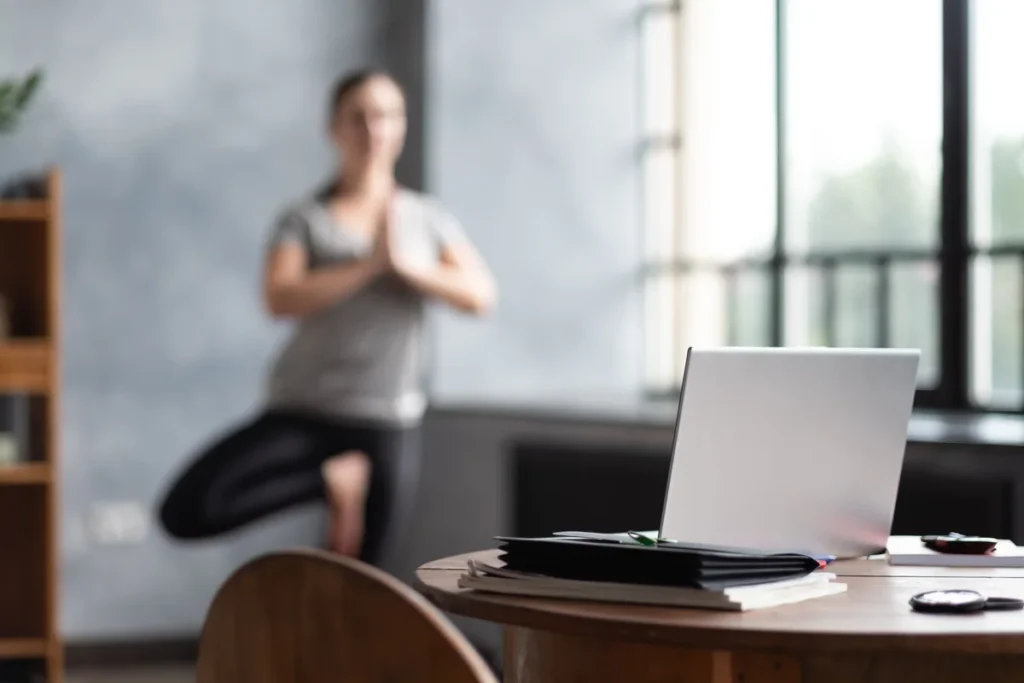
Breathing exercises do not need to be complex. A few minutes of slow, deliberate breathing in the morning, during a stressful moment at work, or before sleep is one way to engage a breathing pattern associated with the body’s natural recovery processes. Practices like yoga, tai chi, or simple stretching routines that incorporate intentional breathing are also commonly associated with relaxation and lymphatic system support.
Does Heat Help Lymphatic Drainage?
Heat is commonly discussed in the context of lymphatic support. The general understanding is that warmth may contribute to a more comfortable, relaxed state that some people associate with general circulatory ease. Warm baths, saunas, and gentle heat applied to the body are all commonly referenced in wellness discussions around lymphatic health.
Does heat help lymphatic drainage specifically? The evidence is nuanced and individual responses vary. Heat is generally considered one of several factors that may contribute to supporting a comfortable environment for the body’s natural fluid processes rather than a direct lymphatic treatment. For people with certain health conditions, heat exposure should be discussed with a healthcare provider before being incorporated into a wellness routine.
How to Keep Your Lymphatic System Healthy
Keeping the lymphatic system functioning well day to day does not require a complex protocol. The habits most commonly associated with lymphatic support are the same ones that support general physical well-being.
- Move regularly throughout the day rather than in one long session and then sitting for hours
- Drink water consistently across the day as part of healthy fluid balance and lymph consistency
- Practice slow, comfortable breathing, particularly during periods of stress or inactivity
- Avoid prolonged sitting or standing in one position where possible
- Prioritize sleep, which is associated with the body’s natural fluid management and recovery processes
- Eat a balanced diet with adequate fruit and vegetables, which are associated with general inflammatory balance and healthy fluid regulation
These are not a checklist that needs to be completed perfectly every day. Any consistent movement toward these habits is a practical way to support everyday lymphatic wellness.
Simple Daily Lymphatic Drainage Tips
If you want to be more intentional about supporting your lymphatic system, a few small adjustments to an ordinary day are a practical way to build the habits the lymphatic system depends on, without requiring specialist knowledge or equipment.
- Set a reminder to get up and move for a few minutes every hour if you have a desk-based job
- Start the morning with a glass of water before coffee or other drinks
- Add a short walk after meals, even just 10 minutes, to keep circulation and movement active after eating
- Try ending a shower with a brief cool rinse, which some people find supports a sense of alertness and circulation
- Incorporate a few minutes of gentle stretching or deep breathing into the wind-down before sleep
None of these are prescriptions. They are the kind of low-effort, high-consistency habits that support the body’s natural fluid processes. Their value comes from doing them regularly rather than doing them perfectly.
When Professional Lymphatic Drainage May Be Considered
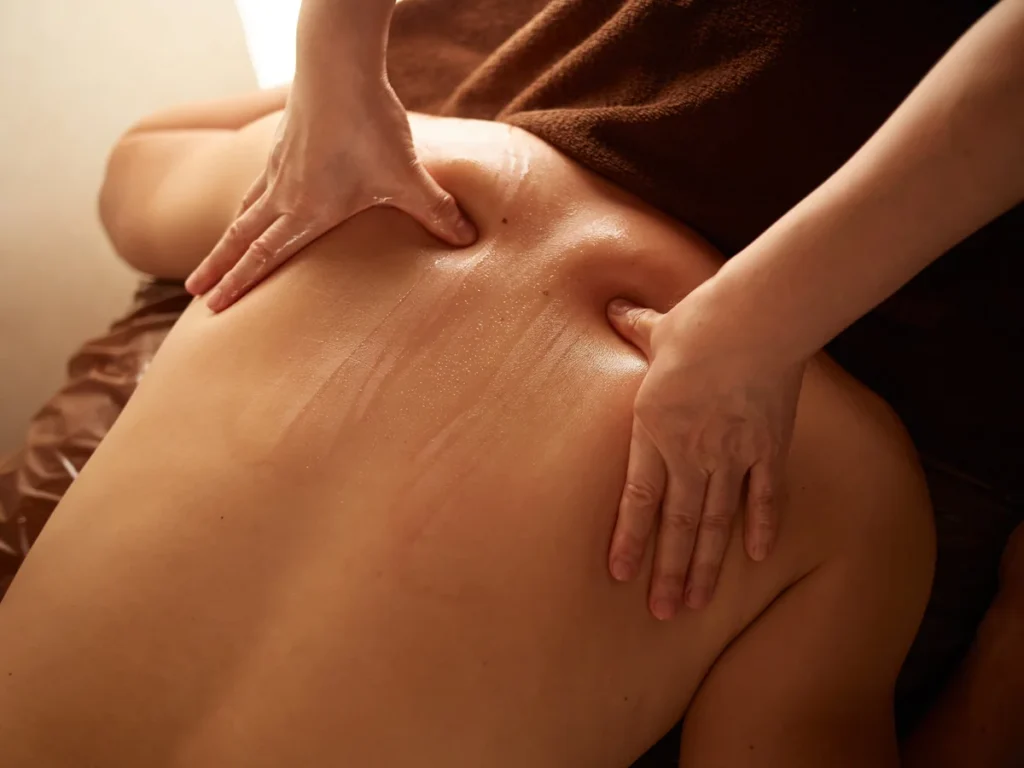
Daily habits support the lymphatic system in the background of normal life. Professional lymphatic drainage, whether through best lymphatic drainage treatment for wellness clinics performed by a certified therapist or device-assisted approaches used in clinical settings, works differently. These are supervised, structured interventions designed for specific wellness goals and carried out under qualified professional oversight.
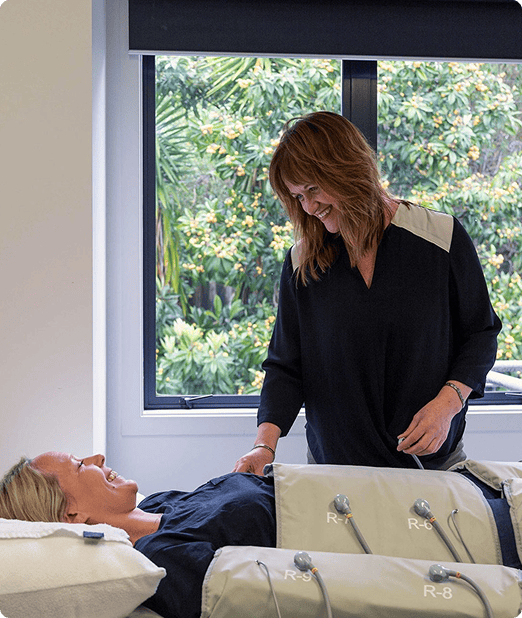
Flowpresso® is an FDA-cleared Class II medical device that combines cyclic pneumatic compression, gentle thermotherapy, and deep pressure stimulation in a supervised 40-minute session. It is designed for use under the supervision of a licensed healthcare practitioner and is not intended to diagnose, treat, cure, or prevent any disease. It is one option within a broader landscape of professional lymphatic support, and is not a replacement for healthy daily habits or medical care.
People who are curious about professional lymphatic drainage as a complement to their daily wellness routine are best served by a conversation with a licensed healthcare practitioner who can advise on what is appropriate for their individual circumstances.
Daily Habits and Lymphatic Drainage at a Glance
Improving lymphatic drainage naturally comes down to supporting the everyday conditions the lymphatic system depends on. Regular movement is the most significant factor, since the lymphatic vessels rely on muscle contractions and physical activity to move fluid through the body. Walking, gentle exercise, and avoiding long periods of inactivity are the most practical starting points for 6 ways to boost lymphatic health in everyday life.
Hydration, diaphragmatic breathing, and sleep are each associated with the body’s natural fluid management processes. Daily habits are most useful as a consistent foundation rather than occasional interventions. For those with specific health goals or concerns, a licensed healthcare professional can advise on whether structured professional support makes sense alongside these everyday practices.
When to Speak With a Licensed Healthcare Professional
Daily habits are a general wellness tool, not a medical approach. Anyone experiencing persistent swelling, lymphatic blockage, or other symptoms that do not resolve with lifestyle changes should speak with a healthcare provider before making further adjustments to their routine.
A licensed healthcare practitioner can assess whether symptoms have an underlying cause that warrants professional attention, advise on whether professional lymphatic drainage support is appropriate, and design an individualized plan that goes beyond general wellness habits.
FAQ's
How Can I Improve Lymphatic Drainage Naturally?
The most practical approach is regular movement throughout the day, particularly walking and gentle exercise that engages the leg muscles. Adequate hydration, diaphragmatic breathing, and consistent sleep are all commonly associated with the body’s natural fluid management processes. There is no single action that guarantees a specific result. Consistency over time is what tends to matter most.
What Helps With Lymphatic Drainage?
Movement is the primary input the lymphatic system relies on, making regular physical activity the most consistently cited factor in lymphatic system support. Hydration, breathing patterns, sleep quality, and avoiding prolonged inactivity all contribute alongside movement. Professional approaches such as manual lymphatic drainage or supervised device-based sessions are a separate category of support that works alongside rather than replacing these everyday habits.
Does Hydration Support Lymphatic Drainage?
Adequate hydration is generally associated with healthy fluid balance throughout the body, and the lymphatic system is part of that broader fluid management picture. Individual hydration needs vary based on activity level, climate, and personal health factors, and there is no single amount that applies universally. A healthcare provider is the right person to advise on specific hydration needs for those with particular health conditions.
How Do I Get My Lymphatic System Moving?
The most direct way to support lymphatic movement is physical activity. Walking, gentle stretching, deep breathing, and regular movement breaks throughout the day are all associated with the muscle contractions and respiratory movement that support lymph fluid movement. Small, consistent habits spread across the day fit naturally into how the lymphatic system receives its inputs.
Why Does Sitting for Long Periods Affect the Lymphatic System?
The lymphatic system has no central pump and depends on muscle contractions and movement to keep fluid moving through the body. When you sit for extended periods, the muscle activity associated with lymphatic flow in the legs and lower body is reduced. This is why taking regular movement breaks, even just standing or walking briefly, is associated with supporting everyday lymphatic wellness throughout a sedentary day.
When Should Someone Consider Professional Lymphatic Drainage?
Daily habits are a general wellness tool rather than a clinical intervention. People with persistent swelling, specific health conditions affecting the lymphatic or circulatory systems, or those recovering from surgery are best served by a conversation with a licensed healthcare practitioner who can assess individual suitability and advise on whether professional lymphatic drainage is appropriate for their circumstances.