


The Lymphatic System Map:
The human body is a marvel, a complex web of systems and functions that work in harmony. Among these, the lymphatic system stands as a silent guardian, playing a pivotal role in our health and immunity. But where exactly is this system located within our vast bodily landscape? By exploring the lymphatic system human anatomy, we can better understand its structure, function, and placement.
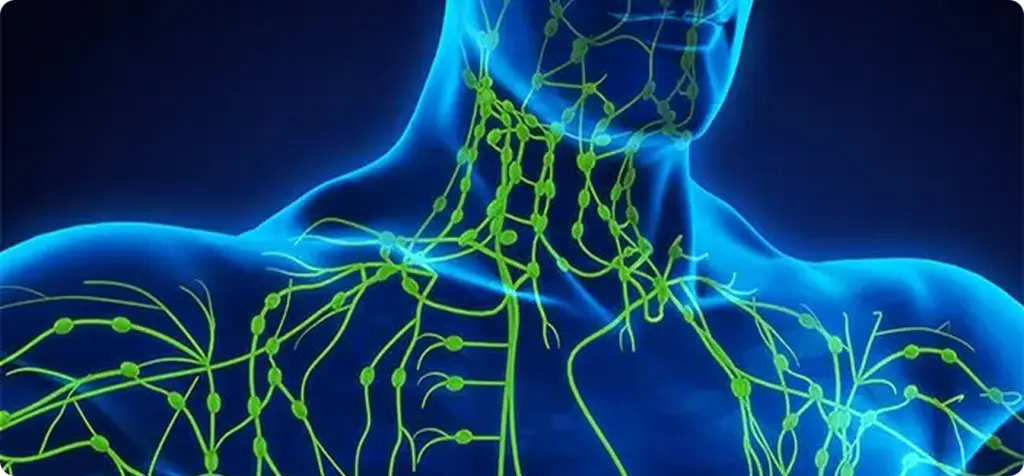
Let’s embark on an exploratory journey to pinpoint the lymphatic system’s location and understand its expansive reach through a clear map of the lymphatic system.
The Lymphatic System: A Brief Overview
Before diving into its location, it’s essential to grasp what the lymphatic system is. The lymphatic system anatomy consists of a comprehensive network of vessels, nodes, and organs that transport a fluid called lymph throughout the body. The vessels of the lymphatic system are integral to immune response, fluid balance, and waste removal, working alongside the circulatory system.
This foundational role is further explained in 5 essential functions of the lymphatic system.
The Lymphatic Map: Key Locations
- Spleen: Located under the ribcage on the left side, the spleen filters blood, removes damaged blood cells, and stores platelets. It also plays a role in immune response.
Lymphatic Ducts:
These are the largest vessels in the lymphatic system. The right lymphatic duct drains lymph from the upper right side of the body, while the thoracic duct (the largest lymphatic vessel) drains lymph from the rest of the body. Both ducts empty into veins near the heart, returning the lymph to the bloodstream. This drainage process connects with how fluid movement is supported in what drives lymphatic flow in the body.
Understanding the lymphatic system map helps visualize how this network spans the body, much like a detailed lymph system diagram.
Lymphatic Vessels:
Much like blood vessels, lymphatic vessels crisscross the entire body. They begin as tiny capillaries in the tissue spaces between cells, gradually merging to form larger vessels. These vessels transport lymph fluid, collecting excess fluid from tissues and returning it to the bloodstream. In a typical lymph diagram, these vessels are shown running parallel to veins and arteries.
Lymph Nodes:
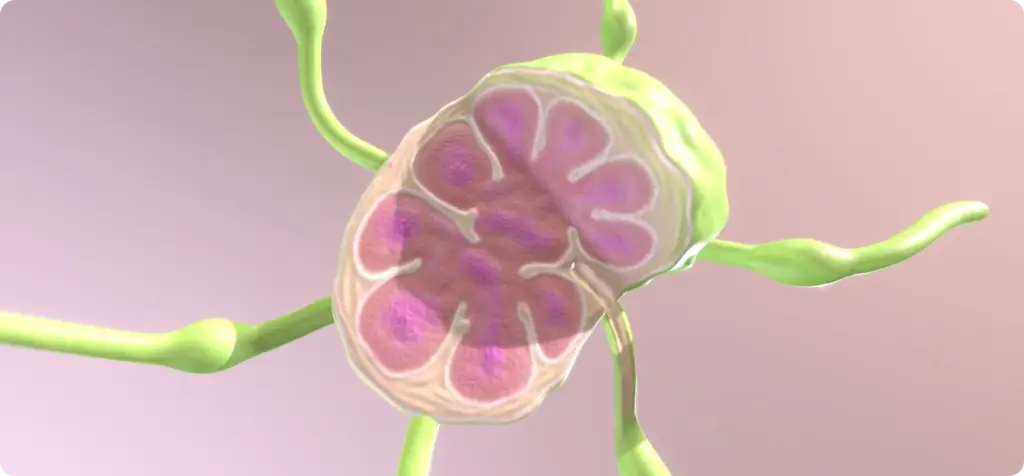
These are small, bean-shaped structures that act as checkpoints throughout the lymphatic system. They are primarily clustered in areas such as:
- Neck (cervical lymph nodes)
- Armpits (axillary lymph nodes)
- Groin (inguinal lymph nodes)
- Chest
- Abdomen Lymph nodes filter the lymph fluid, trapping and destroying harmful substances like bacteria and viruses.
Lymphatic Organs:
Apart from vessels and nodes, the lymphatic system comprises several organs:
- Tonsils and Adenoids: Located in the throat and behind the nose, respectively, they trap and neutralize harmful pathogens entering through the mouth and nose.
- Thymus: Situated in the chest, just behind the breastbone, the thymus is where T-lymphocytes (a type of white blood cell) mature.
The Lymphatic System's Ubiquity
One of the most striking features of the lymphatic system is its ubiquity. It reaches almost every part of the body, mirroring the circulatory system in its expansive coverage. However, certain areas, like the central nervous system, have limited lymphatic presence. Lymphatic vessels are not located in the bone, epidermis or cartilage.
Location of Lymphatic Vessels
- Superficial Lymphatic Vessels:
- These vessels are located just below the skin and are responsible for draining lymph from the skin and the tissues immediately beneath it. They are particularly abundant in the following areas:
- Upper layers of the limbs
- Scalp
- Eyelids
- Trunk
- Genitals
- Deep Lymphatic Vessels:
- These vessels are located deeper within the body and accompany the deep arteries and veins. They are responsible for draining lymph from the body’s organs, muscles, and other deep structures. They can be found in areas like:
- Deep muscles of the limbs
- Thorax
- Abdomen
- Pelvi
- Superficial Lymphatic Vessels:
Superficial vs. Deep Lymphatic Vessels
While both superficial and deep lymphatic vessels play a role in transporting lymph, their distribution varies:
- Number and Distribution:
- The majority of lymphatic vessels are superficial, lying just below the skin. This dense network ensures efficient drainage of lymph from the skin, which is exposed to a myriad of external factors and potential pathogens.
-
- The deep lymphatic vessels, though fewer in number, are larger and accompany the major blood vessels, ensuring efficient drainage from the deeper tissues and organs. Their efficiency is influenced by overall system health, as described in effective ways to boost lymphatic health.
- Convergence:
-
Both vessel types converge into larger lymphatic trunks, which then form the right lymphatic duct and thoracic duct, completing the flow illustrated in a standard lymph diagram.
-
What does the Lymphatic System produce?
Lymph Fluid:
The primary product of the lymphatic system is lymph fluid. Originating from blood plasma, lymph carries white blood cells and nutrients throughout the body, a process best understood through the lymphatic system human anatomy.
White Blood Cells:
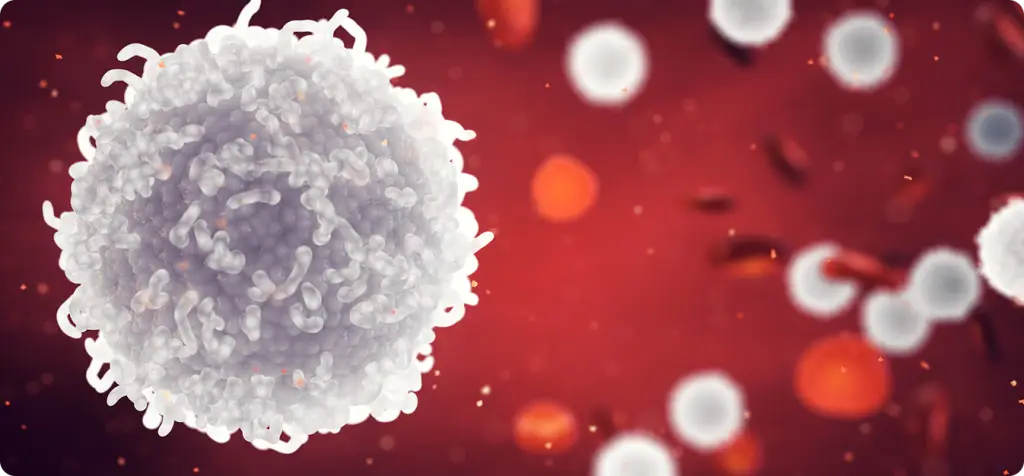
Lymph nodes, the bean-shaped structures scattered throughout the body, are production centres for certain types of white blood cells, particularly lymphocytes. There are two main types:
- B Lymphocytes (B cells): These cells produce antibodies, proteins that neutralize harmful invaders like bacteria and viruses.
- T Lymphocytes (T cells): These cells play various roles, from attacking infected cells directly to assisting other immune cells.
Antibodies:
Produced by B cells, antibodies are specialized proteins that recognize and neutralize foreign invaders. Once our body encounters a specific pathogen, it produces antibodies tailored to that invader. If the same pathogen tries to invade again, our body is ready with the right antibodies to fend it off.
Macrophages:
While not produced by the lymphatic system, macrophages are often found within it, especially in the lymph nodes. These cells devour harmful substances, including bacteria and dead or diseased tissue, aiding in the body’s defence and cleanup mechanisms.
In Conclusion
The lymphatic system, with its vast and intricate network, is woven into every part of the human body. From vessels to nodes and ducts, the lymphatic system anatomy supports immunity, fluid balance, and overall health. By studying a detailed lymphatic system map or lymphatic system diagram, we gain a deeper appreciation for this essential yet often overlooked system and the silent work it performs every moment of our lives.