

Quick Summary:
“Lymphatic drainage refers to techniques intended to support the movement of lymph through the lymphatic system. Manual lymphatic drainage uses light, rhythmic hand movements, while device-assisted approaches can use controlled pneumatic compression. These methods are not interchangeable, and the experience, approach, and expected outcomes can vary from person to person.”

Why Are There So Many Myths About Lymphatic Drainage?
Lymphatic drainage is often discussed alongside wellness, massage, recovery, and self-care. That broad context can blur the line between established information about the lymphatic system and claims that promise much more than a drainage technique can reasonably provide.
Social media can also make a single person’s experience look universal. One person may describe feeling relaxed after a session, while another may notice very little. Neither experience establishes a universal outcome. Understanding the difference between lymphatic drainage facts and wellness marketing makes it easier to set realistic expectations.
Myth 1: Lymphatic Drainage Is a "Detox" Treatment
The Facts: Lymphatic drainage should not be presented as a way to remove unspecified “toxins” from the body. The body already has organs and normal biological processes involved in handling and eliminating waste. Lymphatic drainage is better understood in terms of supporting lymphatic flow rather than replacing those processes.
What to Keep in Mind: Be cautious with claims that frame lymphatic massage as a shortcut for removing toxins or dramatically cleansing the body. Those descriptions can create expectations that go beyond what the technique itself establishes.
Myth 2: Lymphatic Drainage Should Feel Painful
The Facts: Manual lymphatic drainage generally uses light, rhythmic movements rather than the firm pressure associated with deep-tissue massage. A session should not automatically be painful simply because it is intended to support lymphatic flow.
What to Keep in Mind: Expected sensations can vary. Comfort, sensitivity, technique, and the area being worked can all influence the session experience. Tell the practitioner when something feels uncomfortable.
Myth 3: You Will See Immediate Results
The Facts: There is no universal timeline for noticing a difference after lymphatic drainage. Individual responses vary, and the outcome someone is looking for also matters. A person asking “does lymphatic drainage work?” needs to define what “work” means before making a meaningful judgment.
What to Keep in Mind: One session should not be treated as a guarantee of a particular physical change. Frequency and ongoing sessions should be based on individual circumstances and professional guidance rather than a fixed schedule.
Myth 4: All Lymphatic Drainage Techniques Are the Same
The Facts: Lymphatic drainage can involve different techniques. Manual lymphatic drainage relies on specific, gentle hand movements, while device-assisted lymphatic drainage can use controlled pneumatic compression. Equipment, settings, practitioner training, session length, and the areas addressed can all differ.
What to Keep in Mind: The phrase “lymphatic drainage” does not describe one identical service. Ask exactly what technique is being offered before booking a session.
Myth 5: Manual Lymphatic Drainage and Compression Therapy Are Identical
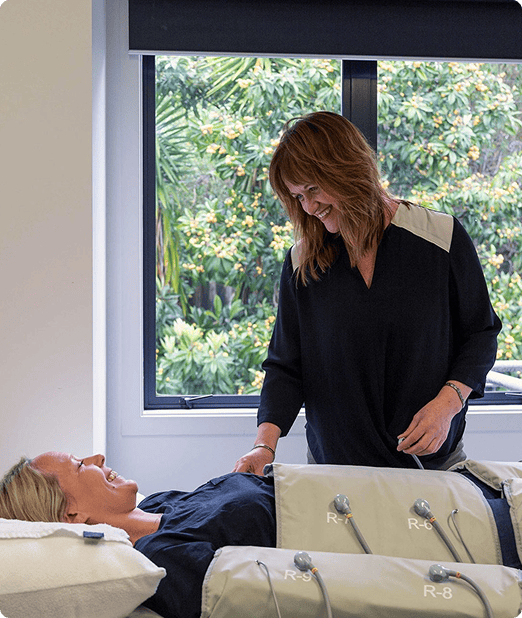
The Facts: Manual lymphatic drainage and pneumatic compression are different approaches. Manual lymphatic drainage is hands-on and can be adjusted by the therapist during the session. Pneumatic compression uses a specialized garment to apply controlled pressure according to the device’s settings.
What to Keep in Mind: One approach should not be presented as a direct replacement for the other. The appropriate option depends on the individual’s circumstances and professional guidance.

Myth 6: Anyone Can Perform Lymphatic Drainage
The Facts: Training and professional oversight matter. Manual lymphatic drainage involves specific techniques and knowledge of lymphatic pathways. Device-assisted approaches also require appropriate supervision and responsible use of the equipment.
What to Keep in Mind: Before booking, ask about the practitioner’s qualifications, training, and the type of professional oversight provided.
Myth 7: More Pressure Means Better Results
The Facts: More pressure does not automatically make lymphatic drainage more effective. Manual lymphatic drainage is intentionally gentle, and pneumatic compression uses controlled pressure rather than simply applying as much pressure as possible.
What to Keep in Mind: A session should be based on the technique being used and the individual’s circumstances, not on the idea that greater intensity is always better.
When to Speak With a Licensed Healthcare Professional

Flowpresso® is an FDA-cleared Class II medical device intended for use under the supervision of a licensed healthcare practitioner. It combines cyclic pneumatic compression, gentle heat, and deep pressure stimulation. It is intended for supervised professional use and is not intended to diagnose, treat, or prevent disease.
Persistent swelling, unexplained symptoms, significant discomfort, or concerns about your health deserve professional attention rather than assumptions based on online information. A licensed healthcare practitioner can determine what is appropriate based on your individual circumstances.
Professional guidance is especially important before starting a new lymphatic drainage routine when you have relevant health concerns or are unsure whether a particular technique is suitable for you.
FAQ's
Does lymphatic drainage really remove toxins?
Lymphatic drainage should not be described as a method for removing unspecified toxins. The body has its own organs and biological processes for handling and eliminating waste. Lymphatic drainage is more accurately discussed in terms of supporting lymphatic flow.
Are manual lymphatic drainage and compression therapy the same?
No. Manual lymphatic drainage uses hands-on techniques, while pneumatic compression uses controlled pressure from specialized equipment. They can provide very different session experiences.
How often should someone receive lymphatic drainage?
There is no universal schedule. Frequency depends on the type of service, the individual’s circumstances, the purpose of the sessions, and guidance from an appropriately qualified professional.
What should you expect after a lymphatic drainage session?
Post-session experiences vary. Some people may feel relaxed, while others may notice little immediate difference. There is no single sensation that confirms a particular outcome, so expectations should remain realistic.