

Quick Summary:
“Fluid buildup in the body, often called water retention, happens when excess fluid accumulates in the tissues rather than circulating normally. Common signs include swollen ankles, puffy lower legs, and a feeling of heaviness that often shows up after long periods of sitting, standing, or travel. Most fluid retention is temporary and connects to everyday factors like hydration, movement, and posture, though persistent or worsening swelling is worth discussing with a healthcare professional.”
What Is Water Retention?
Water retention refers to the buildup of excess fluid within the body’s tissues, most commonly noticed in the legs, ankles, and feet. The medical term for this is edema, though most people simply describe it as feeling swollen, puffy, or heavy.
Fluid retention symptoms develop when the balance between fluid moving into and out of the tissues shifts. Normally, the circulatory and lymphatic system work together to keep fluid moving efficiently throughout the body. When that balance is disrupted, even temporarily, fluid can settle in the lower body where gravity has the greatest pull.
What Does Water Retention Mean for the Body?
Water retention is the body’s way of signaling that fluid movement has slowed somewhere along the way. The circulatory system relies on the heart to pump blood, but the lymphatic system has no central pump of its own. It depends entirely on muscle movement, breathing, and physical activity to keep lymph fluid circulating.
Body retaining fluid does not automatically mean something is wrong. Liquid retention is a common, everyday experience that most people encounter at some point, often tied to simple factors like a long day of travel, extended sitting, or warm weather. Recognizing the pattern is the first step toward understanding it.
Common Signs of Fluid Buildup
Fluid buildup tends to show up in recognizable ways, and most people notice it through physical sensations and small visual cues rather than anything dramatic. These fluid retention symptoms typically build gradually over the course of a day and tend to ease overnight or after a period of rest and elevation.
- A feeling of heaviness or tightness in the legs
- Visible puffiness around the ankles and feet
- Indentations left by socks or shoe straps
- Rings or shoes fitting more snugly than usual by the end of the day
- Mild skin tightness over the affected area
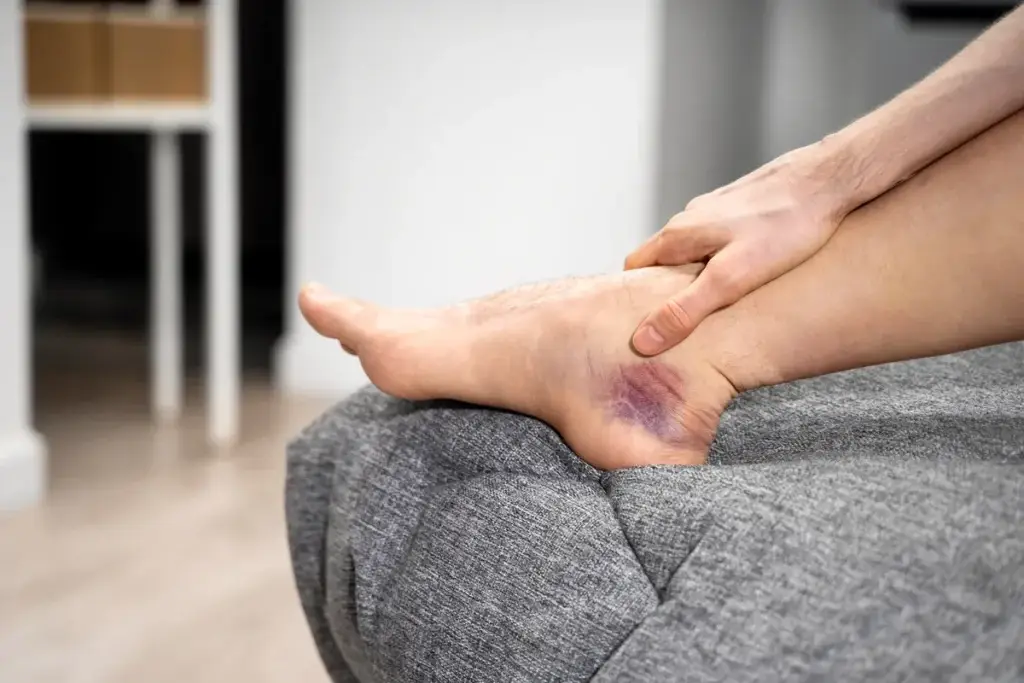
Swelled Up Legs and Feet: Why It Happens
Swelled up legs and feet are one of the most commonly reported forms of fluid retention, largely because gravity naturally pulls fluid downward through the body. When movement is limited, the muscles in the lower legs are not contracting enough to help push that fluid back up toward the heart.
Long periods of standing, particularly in jobs that involve being on your feet for extended hours, place sustained pressure on the lower legs and can lead to fluid pooling. Sitting for long stretches, whether at a desk or during travel, has a similar effect because the calf muscles, which act as a secondary pump for circulation, are not being engaged.
Water Retention in Legs and Ankles
Water retention in legs often becomes most noticeable by the end of the day, after gravity and inactivity have had hours to take effect. Retaining water in legs is frequently linked to prolonged sitting or standing, warm temperatures, certain dietary patterns, and reduced overall movement throughout the day.
Fluid retention in legs and fluid retention in feet often appear together since they are part of the same lower body circulatory pathway. Retaining fluid in legs tends to resolve with elevation, movement, and rest, which is a helpful clue that the cause is likely related to everyday lifestyle factors rather than something more concerning.
Common Lifestyle Factors That May Contribute
Several everyday patterns are commonly associated with temporary fluid retention. Recognizing these factors helps explain why fluid buildup tends to show up at certain times and in certain situations.
- Prolonged sitting or standing, which reduces the muscle activity needed to support healthy circulation.
- Long flights and travel, where limited mobility combines with cabin pressure changes to slow circulation in the lower legs.
- Warm weather, which causes blood vessels to dilate and can allow more fluid to move into surrounding tissues.
- Higher sodium intake from processed foods, which can prompt the body to retain additional water.
- Hormonal fluctuations and certain medications.
- Reduced overall physical activity throughout the day.
Most of these factors are manageable through simple daily habits, and fluid retention linked to travel or prolonged inactivity typically resolves within a day or two once normal movement and routine resume.
Understanding Fluid Retention in Daily Life
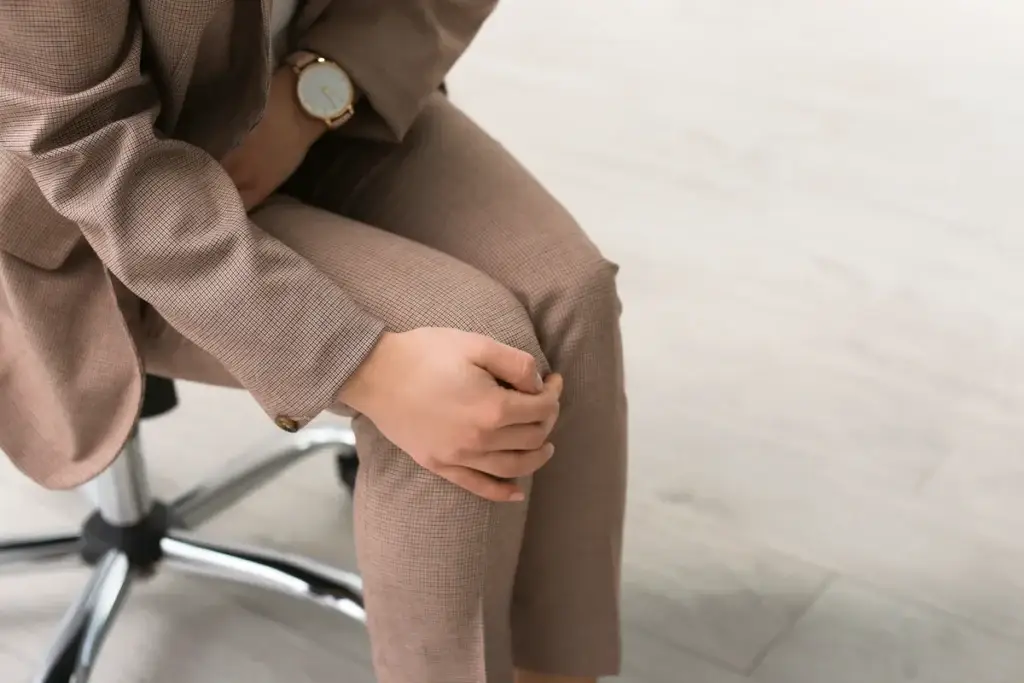
Body retaining fluid or liquid retention can happen for a wide range of everyday reasons, and it is often temporary rather than something requiring concern. Several everyday factors influence how the body manages fluid balance:
- Hydration: It may seem counterintuitive, but inadequate water intake can prompt the body to hold onto more fluid as a protective response
- Movement: Regular changes in position, along with periodic walking or stretching, support the natural pumping action that keeps fluid circulating efficiently
- Posture: Maintaining a relatively consistent posture and avoiding extended stillness can make a meaningful difference
- Nutrition: Sodium intake in particular is known to influence how much fluid the body retains
- Sleep and temperature: Sleep quality and warm temperatures both contribute to how the body manages fluid balance from day to day
Supporting Healthy Circulation and Lymphatic Flow
Supporting the body’s natural circulation and lymphatic flow involves a combination of everyday habits that work together. Compression therapy is a widely used approach for circulation support, using external pressure to assist the body’s natural fluid movement.
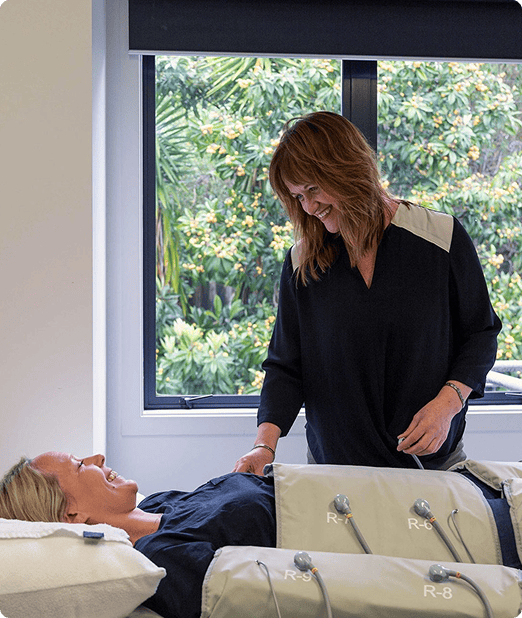
Professional clinical systems like Flowpresso® combine cyclic pneumatic compression, gentle thermotherapy, and deep pressure stimulation to support lymphatic flow, circulation, and relaxation under the supervision of a licensed healthcare practitioner, offering one option among many for those looking to support their circulatory wellness routine.
When Persistent Swelling Should Be Evaluated by a Healthcare Professional
Most everyday fluid retention is temporary and resolves on its own with rest, movement, and time. There are situations, however, where swelling warrants a conversation with a healthcare provider. Swelling that persists for several days without improvement, occurs in only one leg, comes with pain or redness, or is accompanied by shortness of breath should be evaluated promptly.
A healthcare professional can help determine the underlying cause of persistent or unusual swelling and recommend appropriate next steps. This article is intended to help readers recognize common, everyday patterns of fluid retention, not to diagnose or rule out any underlying condition.
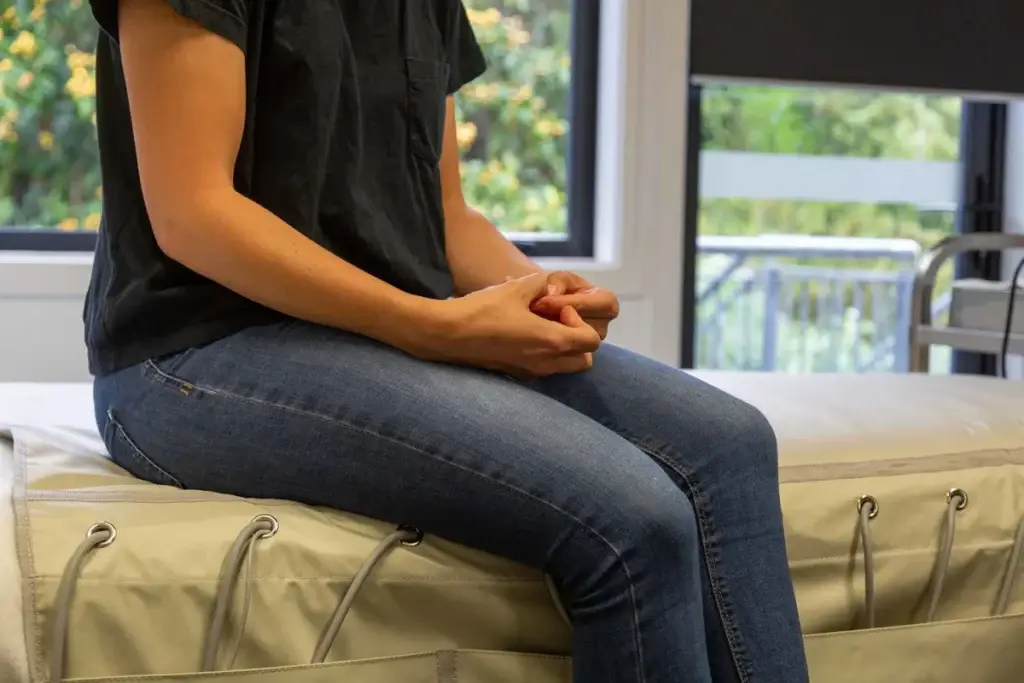
What Are the Signs of Fluid Buildup in the Body?
Fluid buildup in the body typically presents through a recognizable set of fluid retention symptoms, including water retention in legs, puffy lower legs, and visible fluid retention in feet. Many people first notice retaining water in ankles through tighter-fitting shoes, sock marks that linger longer than usual, or a general feeling of heaviness in the lower legs by the end of the day.
Body retaining fluid is most commonly associated with prolonged sitting or standing, travel, warm weather, and higher sodium intake. Liquid retention in these everyday contexts is usually temporary and tends to improve with movement, elevation, and rest. Persistent, worsening, or one-sided swelling is different from typical day-to-day fluid retention and is worth discussing with a healthcare provider.
Conclusion
Fluid buildup in the body is a common, everyday experience that most people encounter at some point, whether from a long flight, hours spent sitting at a desk, or a particularly salty meal. Recognizing the signs, swollen ankles, puffy lower legs, tighter-fitting shoes, and a general feeling of heaviness, helps put these moments into perspective rather than treating them as a cause for alarm.
Most fluid retention connects to simple, identifiable factors like movement, hydration, posture, and diet, and tends to ease with rest and time. Supporting healthy circulation and lymphatic flow through everyday habits is a practical way to manage typical fluid buildup. Persistent, worsening, or one-sided swelling is a different pattern, and that is the point at which a conversation with a healthcare professional is the right next step.
FAQ's
1. Why Am I Retaining Water in My Legs?
Retaining water in legs is commonly linked to prolonged sitting or standing, reduced calf muscle activity, warm weather, and higher sodium intake. Gravity naturally pulls fluid toward the lower body, and without regular movement to support circulation, fluid can accumulate in the legs and ankles.
2. What Causes Swelled Up Legs and Feet?
Swelled up legs and feet are typically caused by a combination of reduced movement, extended periods of sitting or standing, warm temperatures, and dietary factors such as sodium intake. These everyday influences slow the natural circulation that keeps fluid moving efficiently through the lower body.
3. Why Do I Have Fluid in My Ankles After Sitting for Long Periods?
Fluid in ankles after extended sitting develops because the calf muscles, which normally help pump fluid back toward the heart, are not being engaged. Without that natural movement, fluid gradually settles in the lower legs and ankles due to gravity.
4. Can Retaining Water in Ankles Happen Temporarily?
Yes, retaining water in ankles is very commonly temporary, especially when linked to travel, prolonged sitting, warm weather, or a particularly salty meal. This type of fluid retention typically improves within a day or so once normal movement and routine resume.
5. What Lifestyle Habits Support Healthy Circulation and Fluid Balance?
Supporting healthy circulation and fluid balance involves regular movement throughout the day, staying well hydrated, moderating sodium intake, and avoiding extended periods of complete stillness. Compression therapy is also commonly used as part of a broader wellness routine to support circulation.