

Quick Summary:
“Wellness centers offer lymphatic drainage through a range of professionally supervised approaches, from hands-on manual techniques performed by certified therapists to device-based systems that deliver compression, heat, and pressure within a clinical setting. The right approach depends on individual wellness goals and the guidance of a licensed healthcare practitioner.”
If you have been looking into lymphatic drainage as part of a wellness routine, you have probably noticed that it shows up in a lot of different settings. Day spas, recovery clinics, chiropractic offices, functional medicine practices. The range can be genuinely confusing, especially when each one seems to offer something slightly different under the same general label. This article breaks down what professional lymphatic drainage in a wellness center actually involves, how the different approaches work, and what to look for when choosing where to go.
How Device-Based Lymphatic Drainage Works in Wellness Centers
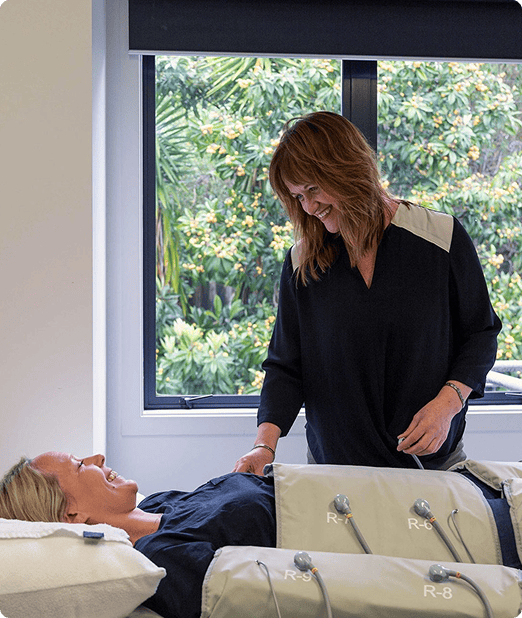
Device-based lymphatic drainage uses pneumatic compression technology to apply sequential air pressure through a wearable garment, encouraging lymphatic flow across the full body in a single session. Rather than depending on a therapist’s hands, the device applies a consistent, calibrated pressure pattern that can cover the legs, torso, and arms simultaneously.
Wellness centers that incorporate professional compression systems offer these as supervised sessions under licensed practitioner oversight. The practitioner assesses suitability, sets the session parameters, and monitors individual response over time. The session itself is passive, the patient lies comfortably while the device works, and many people describe it as deeply calming.
Flowpresso® is an FDA-cleared Class II medical device used in professional wellness and clinical settings that combines cyclic pneumatic compression with gentle thermotherapy and deep pressure stimulation in a single 40-minute session. It is designed for use under the supervision of a licensed healthcare practitioner and is not intended to diagnose, treat, cure, or prevent any disease.
Manual Lymphatic Drainage vs Device-Based Sessions
Both approaches work within the same physiological framework, supporting fluid movement through the lymphatic vessels and nodes under professional supervision. Where they differ is in how that support is delivered.
- Manual lymphatic drainage: performed by a certified therapist, highly personalized, follows specific drainage pathways, adjusts in real time to the individual’s response, typically 45 to 90 minutes per session
- Device-based lymphatic drainage: consistent calibrated pressure applied through a compression garment, full-body coverage in a single session, supervised by a licensed practitioner, typically 40 minutes
- Both: require qualified professional oversight, work best as part of a structured wellness protocol rather than isolated one-off sessions, and are not a substitute for medical care
Many wellness centers offer both options and will advise on which is more appropriate based on the individual’s goals and health context. Some practitioners incorporate both within the same broader wellness plan.
What to Expect from a Professional Lymphatic Drainage Session
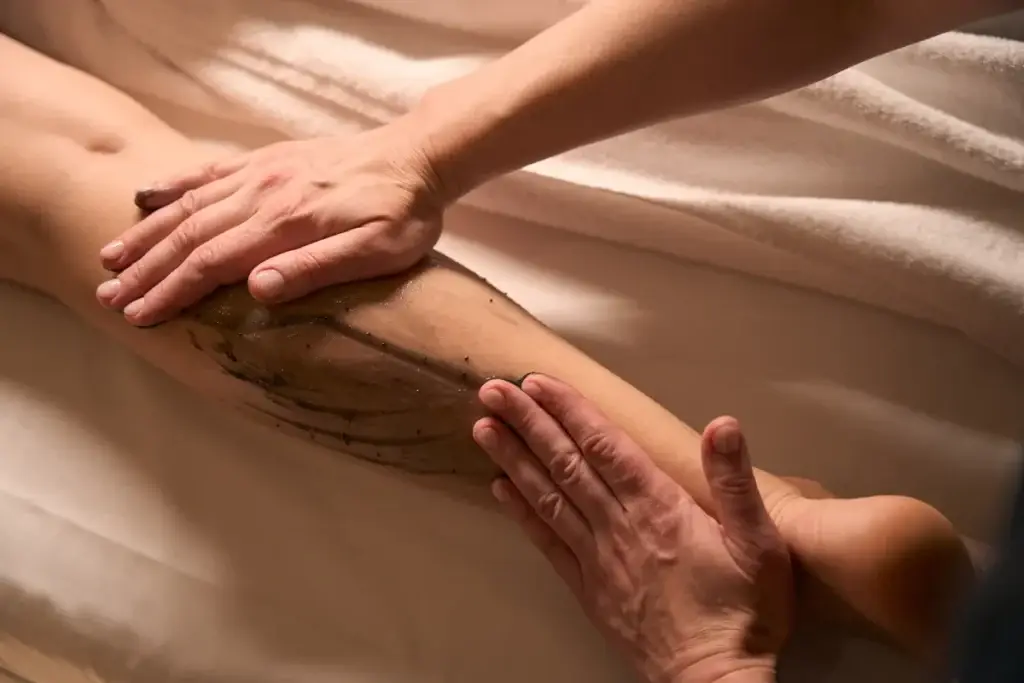
The session experience in a professional wellness setting typically begins with a consultation. The practitioner or therapist will discuss your wellness goals, review any relevant health considerations, and explain the approach before anything begins. This is not optional preparation. It is the clinical assessment that shapes how the session is delivered.
During a manual lymphatic drainage session, you can expect:
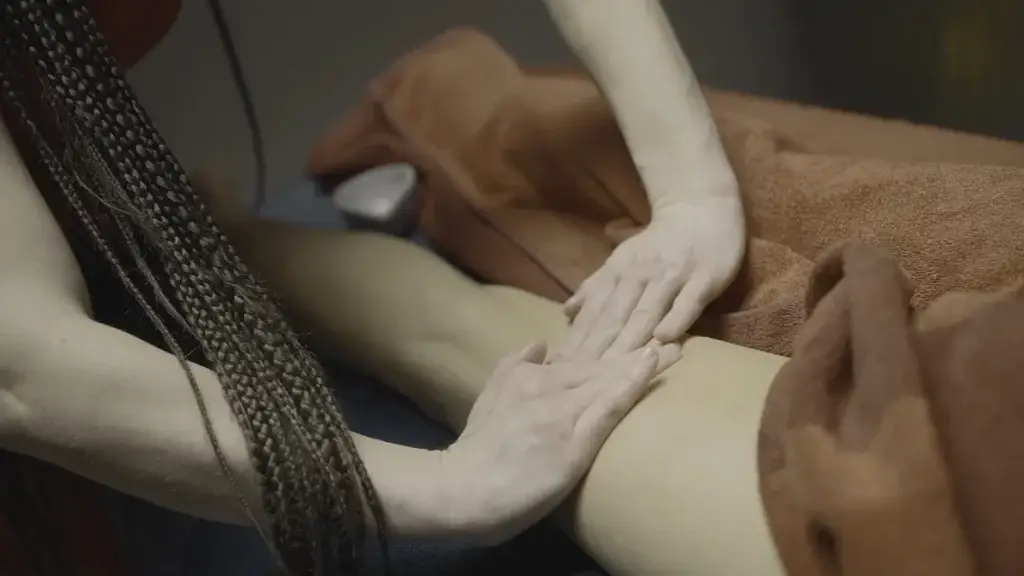
- Feather-light technique applied along specific lymphatic pathways, nothing like deep tissue or sports massage
- A slow, calm pace throughout the session that many people find deeply relaxing
- A sequenced approach starting at the core drainage points and moving outward through the lymphatic pathways
- Session length of 45 to 90 minutes depending on the focus area
During a device-based session such as Flowpresso®, you can expect:
- A full-body compression suit worn for the duration of the session
- Sequential air pressure moving through the suit in a wave-like pattern
- Consistent warmth delivered via thermotherapy throughout the session
- A passive, calming 40-minute experience that requires no effort from the patient
Afterward, practitioners often recommend drinking water, doing light movement, and allowing time to rest. The specifics will depend on the individual’s circumstances and what the treating practitioner advises.
How to Know if Lymphatic Drainage Is Working
This is one of the most common questions people have after their first professional session. The honest answer is that individual responses vary considerably, and there is no universal timeline or set of sensations that applies to everyone.
Some people describe noticing a difference within the first few hours of a session, typically a sense of physical lightness or reduced heaviness in the legs. Others find that the cumulative effect of regular sessions over several weeks is where they first notice something more consistent. Neither pattern is more correct than the other. It reflects the individual nature of how the lymphatic system responds to external support.
A practitioner will check in at subsequent appointments to understand how the individual is responding and adjust the protocol accordingly. Understanding how long lymphatic drainage lasts and what influences the duration is useful context for managing expectations around professional sessions.
What to Look for When Choosing a Wellness Center
Not all wellness centers offering lymphatic drainage provide the same level of professional oversight or clinical expertise. When evaluating options, the qualifications of the practitioners involved matter significantly. A certified lymphatic therapist will have completed specialist training in manual lymphatic drainage technique and best lymphatic drainage treatment for wellness clinics methodology. A wellness center using device-based systems should have a licensed healthcare practitioner supervising sessions rather than untrained staff simply operating equipment.
Questions worth asking before booking:
- What qualifications do the therapists or supervising practitioners hold?
- Is there an initial consultation to assess suitability before sessions begin?
- What approach do they use and why, manual, device-based, or a combination?
- How do they structure sessions for different wellness goals?
- What post-session guidance do they provide?
A professional wellness center offering legitimate lymphatic drainage services should be able to answer all of these clearly and without hesitation.

How Does Lymphatic Drainage Work in Wellness Centers?
Lymphatic drainage in wellness centers is delivered through two main approaches: manual lymphatic drainage performed by certified therapists, and device-based sessions using professional compression technology under licensed practitioner supervision. Both work by supporting lymphatic drainage through external input that compensates for the movement and muscle contractions the system would ordinarily depend on.
Manual lymphatic drainage follows the body’s specific lymphatic pathways using light, rhythmic hands-on technique. The therapist works in a sequenced pattern from the core drainage points outward. Device-based approaches apply consistent sequential compression through a clinical garment, and some professional systems incorporate additional modalities such as heat and deep pressure stimulation alongside compression.
How well professional lymphatic drainage works and how quickly it takes effect depends on individual factors including wellness goals, lifestyle habits, health context, and the structure of the protocol designed by the supervising practitioner. There is no universal outcome, and professional sessions are most meaningful as part of an individualized, practitioner-guided approach rather than as standalone one-off experiences.
FAQ's
What Should I Expect After a Lymphatic Drainage Session?
Post-session experiences vary from person to person. Some people describe feeling noticeably lighter or less physically heavy in the hours following a session. It is also common to feel more thirsty than usual or to need to use the bathroom more frequently. Staying hydrated, doing light movement, and resting if needed are commonly recommended. A practitioner will provide guidance tailored to the individual after each session.
How Do I Know if Professional Lymphatic Drainage Is Working?
Individual responses to professional lymphatic drainage vary considerably. Some people notice a difference after their first session. Others find the effect builds more gradually across several sessions. A practitioner will review how you are responding at subsequent appointments and adjust the protocol accordingly. There is no single indicator that applies universally, and expectations should be shaped by the practitioner’s guidance rather than general timelines.
How Many Sessions of Lymphatic Drainage Do I Need?
The number and frequency of sessions depends entirely on individual wellness goals, health context, and the protocol recommended by the supervising practitioner or certified therapist. Some people incorporate lymphatic drainage as an ongoing regular wellness practice. Others attend a defined course of sessions around a specific goal. The right structure is one the treating healthcare professional designs based on the individual’s specific circumstances.
Is Professional Lymphatic Drainage Different from Self-Massage?
Yes, significantly. Professional lymphatic drainage follows specific sequenced pathways mapped to the anatomy of the lymphatic system and is delivered by practitioners with specialist training. Self-massage techniques are commonly used as part of general wellness routines but do not replicate the precision, sequencing, or clinical oversight of professional sessions. They are most meaningful as a complement to professional care rather than a replacement for it.
What Is the Difference Between Manual and Device-Based Lymphatic Drainage?
Manual lymphatic drainage is performed hands-on by a certified therapist using very light, rhythmic technique tailored in real time to the individual. Device-based lymphatic drainage uses a compression garment to apply consistent sequential pressure across the full body under practitioner supervision. Both are professionally delivered, both require qualified oversight, and both are used in wellness center contexts for different applications and patient preferences.