

Home / RESEARCH / Intermittent Pneumatic Compression for Lymphedema: What the Research Shows

Intermittent Pneumatic Compression for Lymphedema: What the Research Shows

Intermittent Pneumatic Compression and Lymphedema: What the Latest Research Shows

Does intermittent pneumatic compression actually reduce swelling associated with lower-extremity lymphedema?

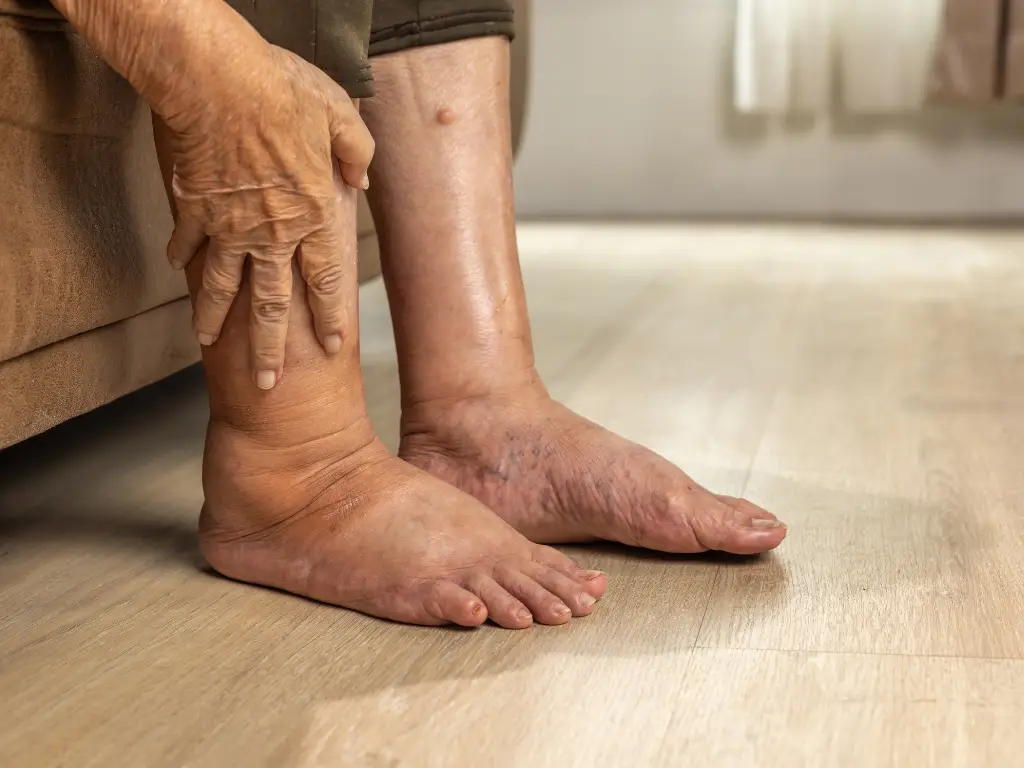
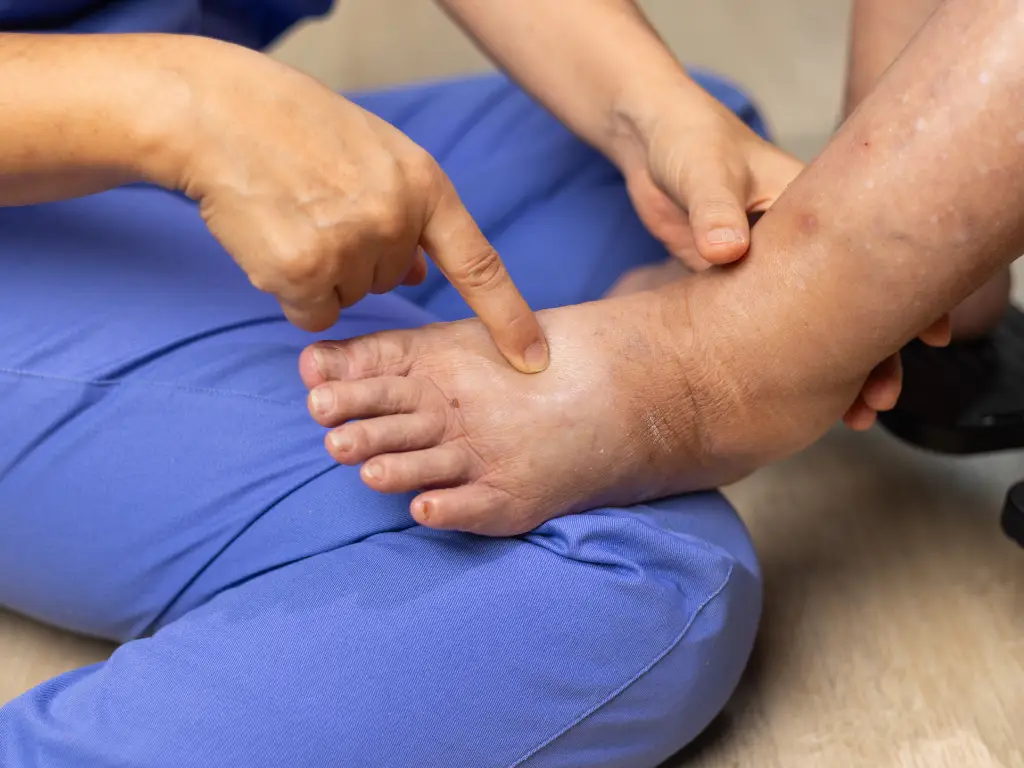
Lymphedema is a chronic condition characterised by the accumulation of lymphatic fluid within tissues, commonly resulting in swelling, heaviness and discomfort.

Compression is an established part of managing lymphedema, but researchers continue to investigate an important question:

How effective is intermittent pneumatic compression (IPC), and what does the highest-quality evidence tell us?

A newly published 2026 systematic review provides an important update.

Researchers reviewed randomised controlled trials investigating intermittent pneumatic compression for lower-extremity lymphedema, bringing together evidence from seven eligible clinical trials.

The results were encouraging: all seven studies demonstrated statistically significant reductions in limb volume from baseline to the end of treatment, while five of the seven studies also found significant differences between treatment groups for edema reduction.

The researchers concluded that there is moderate-certainty evidence that IPC reduces lower-limb edema, volume or circumference compared with standard care or no IPC.
Bring Lymphatic Care to Your Clinic

*For licensed practitioner and clinic owner inquiries only

At a glance

Study: A systematic review of contemporary randomized controlled trials for treatment of lower extremity lymphedema by intermittent pneumatic compression devices

Published: 2026
Journal: Journal of Vascular Surgery: Venous and Lymphatic Disorders
Researchers: Thomas F. O’Donnell Jr, Alexandra Tedesco & John Fish
Study type: Systematic review of randomised controlled trials
Search period: January 2010 – January 2025
RCTs included: 7 studies specifically addressing lower-extremity lymphedema
Average participants per RCT: 54
Average participant age: 55 years
Evidence certainty: Moderate

The review was undertaken specifically to inform a clinical practice guideline, making it particularly relevant to evidence-based approaches to lymphedema management.

Why is this review important?

Individual studies can provide useful information, but they can also be limited by small sample sizes, different treatment protocols or differences in how outcomes are measured.

A systematic review of randomised controlled trials sits higher in the hierarchy of evidence because it systematically identifies and evaluates multiple controlled studies addressing the same clinical question.

The researchers searched three major databases — CINAHL, Embase and MEDLINE — and followed the PRISMA reporting methodology.

They also assessed the quality of the evidence using the GRADE framework and evaluated risk of bias using the Cochrane Risk of Bias Tool.

This allowed them not simply to ask whether IPC appeared to work, but also to assess how confident we should be in the evidence.

How much research did they find?

The initial search identified 141 articles, with another four identified through other sources.

After the screening process, seven randomised controlled trials met the criteria for inclusion for lower-extremity lymphedema.

The studies included adults with chronic lower-extremity lymphedema that had been present for at least six months and who were in the maintenance phase of treatment.

Across the studies:

  • The average number of participants was 54 per trial
  • The mean participant age was 55
  • Women represented approximately 67% of participants
  • Most studies involved secondary lymphedema
  • Chronic venous insufficiency was the most common underlying cause

Three studies also included some participants with primary lymphedema.

What did the studies actually test?

The seven trials used different IPC approaches and comparison groups.

Five of the seven studies used advanced pneumatic compression devices as the experimental intervention.

In three studies, IPC was combined with complex decongestive therapy (CDT).

The comparison groups included:

  • Complex decongestive therapy alone
  • Simple pneumatic compression
  • A different mode of advanced pneumatic compression
  • Standard care or no IPC, depending on the study

Treatment schedules also varied.

Five of the seven studies used daily treatment, with four of those using twice-daily sessions.

Treatment durations ranged from four weeks to eight months.

This variation is important because it means the review did not evaluate one single “standard” IPC protocol.

What was the most consistent finding?

Limb volume decreased in every study

This was arguably the clearest finding across the review.

All seven randomised controlled trials reported statistically significant reductions in limb volume when comparing participants’ measurements at baseline with measurements at the end of treatment.

Limb volume was the primary outcome used across all seven studies.

Most studies measured changes using circumferential measurements of the limb, taken with a tape measure.

The consistency of this finding across all seven trials is significant.

Regardless of the differences in treatment protocols and study designs, each trial reported a reduction in lower-limb volume following treatment.

Five of seven studies also found differences between groups

The researchers went one step further than simply looking at whether participants improved over time.

They also examined intergroup comparisons — essentially asking whether the IPC intervention performed differently from the comparison treatment.

Five of the seven RCTs demonstrated significant differences between groups for edema reduction.

This is particularly important because improvement from baseline alone doesn’t necessarily mean an intervention caused the improvement.

Comparing treatment groups provides stronger evidence about whether the intervention itself contributed to the outcome.

What about quality of life?

Reducing swelling is important, but lymphedema management is about more than limb measurements.

The researchers therefore also examined patient-reported outcomes and quality of life.

Five of the seven RCTs included quality-of-life measures.

These included both general measures such as:

  • Short Form-36
  • Visual Analog Scale
  • EQ-5D-3L

and lymphedema-specific measures such as:

  • Lymph ICF-LL
  • LYMQOL

Three of the five studies demonstrated significant improvements in patient-reported outcomes when comparing measurements within the treatment groups.

However, the researchers noted substantial differences between studies and treatment groups, which prevented them from conducting a meaningful meta-analysis of these outcomes.

What does "moderate certainty" mean?

One of the most useful aspects of this review is that the researchers didn’t simply report positive results.

They also assessed how strong the evidence was.

Using the GRADE framework, the researchers concluded that there was moderate certainty that IPC reduces lower-limb edema, volume or circumference compared with standard care or no IPC.

This is an important distinction.

The evidence isn’t described as definitive or high certainty.

The included studies had some methodological limitations and an overall moderate risk of bias.

Nevertheless, the consistency of the findings across the seven trials provides meaningful support for IPC as an approach to reducing lower-limb swelling.

Why might pneumatic compression help?

Intermittent pneumatic compression uses sequentially inflating chambers to apply controlled external pressure to the limb.

The mechanical pressure can assist the movement of fluid through the tissues and lymphatic system.

For people experiencing lymphedema, where impaired lymphatic function can contribute to persistent fluid accumulation, this mechanical assistance may help reduce limb volume.

The findings from this systematic review are consistent with that physiological rationale.

Rather than relying on a single study, the review found reductions in limb volume across all seven eligible RCTs.

What does this mean for people with lymphedema?

The findings suggest that intermittent pneumatic compression can be a useful component of lymphedema management, particularly for reducing lower-limb edema and limb volume.

The researchers specifically note that IPC was often used alongside other treatments.

This is important because lymphedema management is generally multimodal, rather than relying on one intervention alone.

Compression, movement, manual techniques and other approaches may all have a role depending on the individual and their clinical circumstances.

The review therefore supports considering IPC as part of an evidence-informed approach rather than viewing it as a replacement for all other forms of care.

What does this mean for Flowpresso?

This research is highly relevant to the broader scientific rationale behind pneumatic compression, but there is an important distinction.

The systematic review did not specifically study Flowpresso.

It examined a range of intermittent pneumatic compression devices and protocols used in the seven included RCTs.

Therefore, we cannot claim that the results of this review demonstrate that Flowpresso specifically reduces lymphedema volume.

What we can say is that the review provides evidence supporting the broader therapeutic principle of intermittent pneumatic compression for reducing lower-extremity edema and limb volume.

Flowpresso uses pneumatic compression as one component of its three-part treatment approach, alongside thermotherapy and deep pressure therapy.

The review therefore provides relevant evidence for the compression component of the Flowpresso system.

What about combining compression with other therapies?

Interestingly, three of the seven trials combined IPC with complex decongestive therapy.

This reinforces the idea that pneumatic compression can be used as part of a broader treatment strategy.

The review did not establish that combining IPC with heat produces superior outcomes.

That is an important area for future research.

For Flowpresso, this creates an interesting research opportunity: investigating how pneumatic compression combined with thermotherapy may influence fluid movement, swelling and other outcomes.

What are the limitations?

As with any systematic review, there are limitations that need to be considered.

Only seven lower-extremity RCTs met the criteria

Although the initial search identified 145 potentially relevant records, only seven randomised controlled trials met the specific criteria for lower-extremity lymphedema.

That means the evidence base remains relatively small.

The studies were different from one another

The researchers noted considerable heterogeneity between the studies.

Treatment protocols, comparison groups, treatment durations and devices varied.

This prevented the researchers from conducting a meta-analysis.

Moderate risk of bias

The methodological quality of the included trials was considered moderate overall.

The GRADE assessment consequently resulted in moderate rather than high certainty.

Different devices were used

The trials examined different pneumatic compression devices and modes.

Therefore, the results shouldn’t automatically be assumed to apply identically to every IPC device.

Quality-of-life evidence was less consistent

Although limb volume reduction was remarkably consistent, patient-reported outcomes were less uniform.

Only three of five studies measuring quality of life demonstrated significant within-group improvements.

This means the evidence for reducing physical limb volume is stronger than the evidence for broader improvements in quality of life.

The bigger picture

This 2026 systematic review represents an important update to the evidence surrounding intermittent pneumatic compression.

The researchers specifically set out to evaluate the highest-quality available evidence from randomised controlled trials for lower-extremity lymphedema.

The result was strikingly consistent:

All seven included RCTs demonstrated significant reductions in limb volume from baseline to the end of treatment.

Five of the seven also demonstrated significant differences between groups for edema reduction.

The researchers ultimately concluded that there is moderate-certainty evidence that intermittent pneumatic compression reduces lower-limb edema, volume or circumference compared with standard care or no IPC.

For a field where treatment protocols and devices can vary considerably, that consistency is meaningful.

It suggests that pneumatic compression has a legitimate role within evidence-informed approaches to managing lower-extremity lymphedema.

There is still more research to be done — particularly larger, well-controlled trials that compare different devices, pressures, treatment schedules and combinations with other therapies.

But the latest evidence provides a stronger foundation for understanding where intermittent pneumatic compression fits within modern lymphedema care.

Key takeaway

A 2026 systematic review of seven randomised controlled trials found that intermittent pneumatic compression consistently reduced lower-limb volume in people with chronic lower-extremity lymphedema.

All seven RCTs reported statistically significant reductions in limb volume, while five also found significant differences between treatment groups for edema reduction.

The researchers rated the evidence as moderate certainty, with a moderate risk of bias across the included studies.

The findings support intermittent pneumatic compression as an evidence-based component of lymphedema management — while recognising that different devices and protocols may produce different results.

For Flowpresso, the research provides important support for the pneumatic compression component of the treatment system, while further research would be required to establish the specific effects of Flowpresso’s combined compression and thermotherapy approach.

Reference

O’Donnell, T. F. Jr., Tedesco, A., & Fish, J. (2026). A systematic review of contemporary randomized controlled trials for treatment of lower extremity lymphedema by intermittent pneumatic compression devices. Journal of Vascular Surgery: Venous and Lymphatic Disorders. DOI: 10.1016/j.jvsv.2026.102500.
View the Study on PubMed

Bring Full-Body Lymphatic Therapy to Your Clinic

Flowpresso is a multi-modality system combining:

Perfect for detox programs, recovery protocols, sleep optimization, and emotional wellness.

Select your currency

4th of July Promo

 Get 25% off retail price Flow Vibe II by using the code AMERICA250 

Available 3 July – 12 July 

Only available in USA and New Zealand

Scars Go Deeper Than Skin
Three products, one guided solution to Nourish, Stimulate & Protect.