

Quick Summary:
“Sleep plays a direct role in supporting the body’s natural recovery processes, including lymphatic flow and fluid balance. During rest, the body shifts into a restorative state that supports circulation, waste clearance, and tissue recovery. The glymphatic system, a specialized network in the brain, becomes particularly active during sleep, working to clear cellular waste that accumulates throughout the day. Consistent, quality sleep is one of the most fundamental habits for supporting overall lymphatic health and well-being.”
There is a reason a good night of sleep leaves you feeling genuinely different from a restless one. Waking up after deep, uninterrupted rest has a quality to it that goes beyond simply feeling less tired. Your body feels lighter, your thinking is clearer, and there is a general sense of having been reset. That experience is not coincidental. It reflects real biological processes that take place during sleep, many of which directly involve the lymphatic system and the body’s overnight recovery mechanisms.
How Sleep Supports the Body's Natural Recovery
Sleep is the body’s primary recovery window. During sleep, the autonomic nervous system shifts from the active, alert state associated with daily activity toward the parasympathetic state associated with rest, repair, and recovery. This shift creates the internal conditions that allow the body to carry out maintenance processes that are difficult to complete during waking hours.
Heart rate slows, breathing becomes more regular, and cellular repair activity increases. Fluid balance is also actively managed during sleep. The body redistributes fluids, clears metabolic waste from the tissues, and supports the lymphatic processes involved in overall circulatory function. The quality of this overnight recovery period influences how the body feels and functions the following day.
The Connection Between Sleep and Lymphatic Flow
Sleep and the lymphatic system are more closely connected than most people realize. During deep sleep stages, the body enters a state of physical stillness combined with heightened internal activity. Circulation continues, breathing deepens, and the conditions that support lymphatic drainage become more favorable.
Lymphatic flow during sleep benefits from the rhythmic, regular breathing that accompanies deep rest. The diaphragm’s movement during breathing acts as a natural pump for lymph fluid, particularly in the thoracic region. Regular, deep breathing during restorative sleep supports this process in a way that shallow or disrupted sleep does not.
People who consistently get quality sleep often describe waking up without the puffiness or heaviness they notice after nights of poor rest. This pattern reflects the body’s ability to manage fluid balance more effectively when given adequate overnight recovery time.

The Lymphatic System in the Brain
For a long time, the brain was thought to have no lymphatic system of its own. That understanding has changed significantly over the past decade. Scientists have now identified two interconnected systems that perform lymphatic-like functions specifically within the brain and central nervous system.
The first is the glymphatic system, discovered in 2012. It uses channels around blood vessels to flush cerebrospinal fluid through brain tissue, clearing metabolic waste products that accumulate during waking hours. The brain’s cells appear to contract slightly during deep sleep, creating more space for cerebrospinal fluid to move through during rest. This makes sleep one of the most important windows for the brain’s own clearance process.
The second is the meningeal lymphatic system, a network of actual lymphatic vessels discovered within the dura mater, the outermost layer surrounding the brain. These vessels drain cerebrospinal fluid and waste materials out of the brain and into the cervical lymph nodes, connecting the brain’s internal clearance processes with the body’s wider lymphatic network. Their discovery confirmed that the brain does have a direct connection to the lymphatic system, something previously thought not to exist.
Together, the glymphatic system and the meningeal lymphatic vessels form the brain’s waste clearance and fluid management network. Both are significantly more active during sleep than during waking hours, which is one of the clearest documented reasons why consistent, quality rest is so fundamental to overall brain and lymphatic health.
How Sleep Affects the Lymphatic System
Sleep and the lymphatic system interact through several overlapping mechanisms. During sleep, the body enters a parasympathetic state that supports circulatory function, reduces systemic stress on the tissues, and creates conditions favorable to lymphatic drainage. The slower heart rate and deeper, more regular breathing of restful sleep both contribute to the gentle lymphatic flow overnight.
Lymphatic drainage during sleep is supported by the physical position of the body, the rhythmic action of the diaphragm during breathing, and the reduced demands placed on the circulatory system during rest. The lymphatic system continues working throughout the night, clearing fluid and waste from the tissues as part of the body’s ongoing maintenance cycle.
Poor sleep disrupts this process. When the body does not enter deep, restorative sleep stages, the overnight recovery window is shortened, and the body carries more uncleared metabolic waste into the following day. Many people notice this directly, waking up feeling heavier, puffier, or less mentally clear after nights of disrupted rest. Consistent overnight recovery supports the lymphatic and glymphatic systems in performing the clearance work they are active during periods of rest.

Best Sleep Position for Lymphatic Drainage
Sleep position is a practical and commonly asked question when it comes to lymphatic health. The left side is widely considered the more supportive position for lymphatic drainage, and there is a straightforward anatomical reason for this.
The thoracic duct, the body’s largest lymphatic vessel and the main drainage channel for lymph fluid returning to the bloodstream, runs along the left side of the body. Sleeping on the left side positions this duct more favorably for fluid drainage and is also associated with improved digestion and cardiovascular comfort. Many practitioners and wellness professionals recommend left-side sleeping as a simple, no-cost habit that complements other approaches to lymphatic support.
That said, any sleeping position that allows for deep, uninterrupted rest supports lymphatic and glymphatic function. Prioritizing overall sleep quality is more impactful than position alone.
Why Sleep Matters for Lymphatic Health
Consistent, quality sleep sits at the center of a well-functioning recovery routine. It is not a passive activity. During sleep, the body is actively engaged in processes that support lymphatic health, including fluid clearance, tissue recovery, overall physiological maintenance, and autonomic nervous system regulation.
Sleep works best as part of a broader set of healthy habits. Movement during the day supports lymphatic flow through muscle contractions. Hydration supports the consistency and circulation of lymph fluid. Stress management supports autonomic regulation, which in turn influences lymphatic and circulatory function. Sleep is the period during which all of these inputs are consolidated and the body has the space to complete its restorative work.
Wellness approaches that support relaxation and recovery, including clinical systems designed to engage the parasympathetic nervous system, can complement healthy sleep habits as part of a broader lifestyle approach to lymphatic well-being.
The Relationship Between Relaxation, Recovery, and Restorative Sleep
Relaxation and restorative sleep are closely linked states. The body cannot enter deep, restorative sleep stages without first moving through a process of physical and neurological settling, and that process is supported by the same parasympathetic nervous system activity that governs recovery during waking hours.

How Flowpresso Supports Relaxation and Recovery
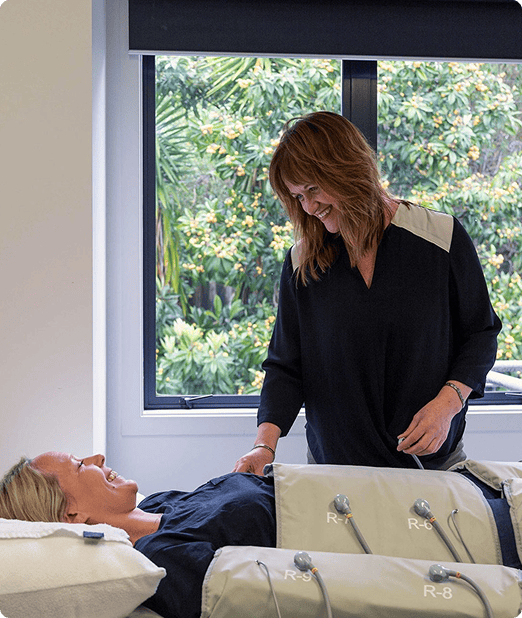
Approaches that actively support relaxation and parasympathetic engagement during the day can create better conditions for sleep at night. Professional wellness sessions that incorporate deep pressure and heat therapy are associated with the kind of autonomic regulation that supports the transition into rest. Flowpresso® is an FDA-cleared Class II medical device designed for use under the supervision of a licensed healthcare practitioner, combining cyclic pneumatic compression, gentle thermotherapy, and deep pressure stimulation to support lymphatic flow, circulation, relaxation, and recovery as part of a supervised clinical wellness routine.
Supporting relaxation is not limited to bedtime routines. The cumulative effect of daytime habits that reduce stress, support circulation, and engage the parasympathetic nervous system contributes to the overall quality of rest the body achieves overnight.
Conclusion
Sleep and lymphatic health are more connected than most people realize. Quality rest supports fluid clearance, glymphatic activity, and the body’s natural overnight recovery processes. Building consistent sleep habits is one of the simplest and most effective things you can do to support your lymphatic system every single day.
FAQ's
1. Does the Lymphatic System Work While You Sleep?
The lymphatic system remains active during sleep. Overnight recovery is one of the periods when lymphatic drainage and fluid clearance are well-supported, because the body is in a parasympathetic state with regular, deep breathing and reduced circulatory demands. The body uses this window to carry out maintenance processes, including clearing waste from the tissues.
2. What Is the Glymphatic System and Why Is It Important?
The glymphatic system is the brain’s internal waste clearance network. It uses channels around blood vessels to flush cerebrospinal fluid through brain tissue, clearing metabolic waste that accumulates during waking hours. It is significantly more active during sleep than during waking hours, which is one of the clearest documented connections between quality rest and brain health.
3. Does the Brain Have Its Own Lymphatic System?
The brain has two interconnected systems that perform lymphatic functions. The glymphatic system handles internal cerebrospinal fluid movement and waste clearance within the brain tissue. The meningeal lymphatic vessels are actual lymphatic vessels in the dura mater surrounding the brain that drain fluid and waste to the cervical lymph nodes, connecting the brain directly to the body’s wider lymphatic network. Both are most active during sleep.
4. What Is the Best Sleep Position for Lymphatic Drainage?
The left side is generally considered the more supportive sleep position for lymphatic drainage. The thoracic duct, the body’s main lymphatic drainage channel, runs along the left side of the body, and sleeping on the left positions it more favorably for fluid movement. Overall sleep quality and duration are more impactful than position alone.
5. Can Poor Sleep Influence Lymphatic Health?
Consistent poor sleep shortens the overnight recovery window that supports lymphatic drainage and fluid clearance. Many people notice physical signs of this pattern, including puffiness, physical heaviness, and reduced mental clarity after nights of disrupted or inadequate rest. Supporting quality sleep is one of the most accessible ways to support the body’s natural overnight recovery processes.
6. How Many Hours of Sleep Support Healthy Recovery?
Most adults function best with seven to nine hours of sleep per night according to general health guidelines. The quality of those hours matters alongside the quantity. Deep, uninterrupted sleep stages are when the most active recovery and clearance processes take place, so creating conditions that support deep sleep is as important as total sleep duration.
7. What Daily Habits Complement Good Sleep and Lymphatic Function?
Regular physical movement, adequate hydration, consistent sleep and wake times, stress management, and a calming pre-sleep routine all support both sleep quality and lymphatic health. These habits reinforce each other and together create a more effective foundation for overnight recovery and daily well-being.