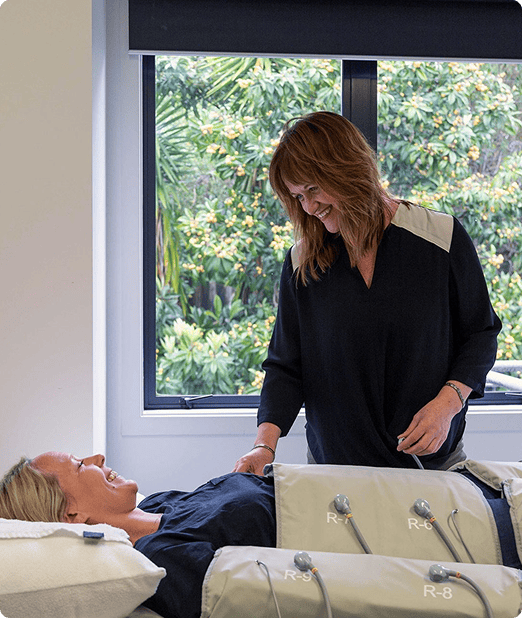


Quick Summary:
Lymphatic therapy can play a valuable role in supporting post-surgical recovery when appropriately recommended by a healthcare professional. By supporting fluid movement and helping manage swelling, suitable lymphatic treatments may contribute to improved comfort and mobility during recovery. From manual lymphatic drainage to professional compression-based technologies, there are different approaches practitioners can consider depending on the individual’s needs, surgical history, and stage of healing. The key is choosing an appropriate treatment approach, guided by professional assessment and the surgeon’s recommendations
Why Is the Lymphatic System Important After Surgery?
Surgery places physical demands on the body. Depending on the procedure, it can affect surrounding tissues, blood vessels, and lymphatic pathways, contributing to temporary swelling and changes in fluid balance.
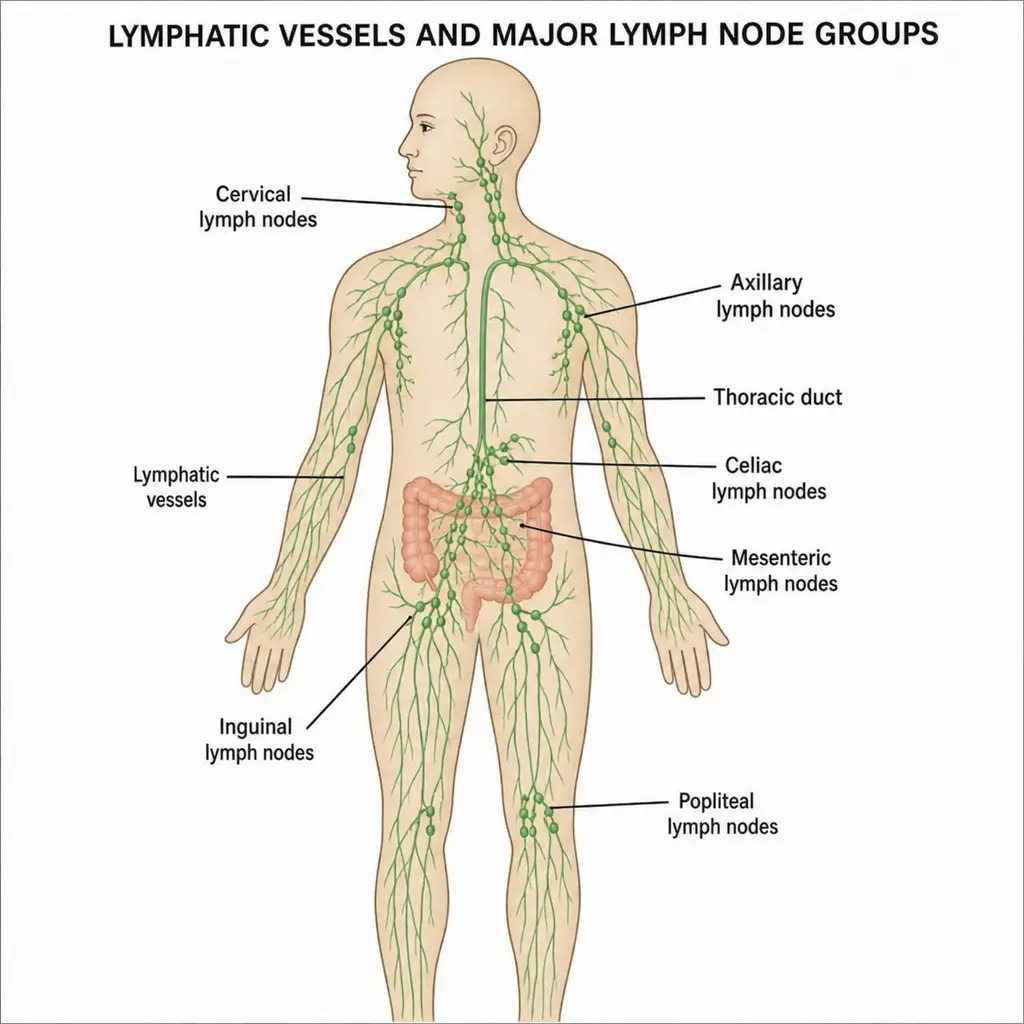
How the lymphatic system works
The lymphatic system plays an important role in maintaining fluid balance. It collects excess fluid from tissues and returns it to the bloodstream while also supporting immune function.
Following surgery, inflammation and tissue disruption can temporarily increase fluid accumulation in the affected area. Procedures involving lymph node removal or damage to lymphatic vessels can also affect normal lymphatic drainage.
This is one reason lymphatic health is an important consideration in post-surgical care.
Supporting the body’s fluid management processes may help address some of the swelling and discomfort experienced during recovery. However, the appropriate approach depends on the procedure, the individual’s health history, and the advice of their surgical team.
It is important to remember that postoperative swelling has several possible causes. Not all swelling is lymphatic in origin, and persistent or unexplained swelling should be medically assessed.
5 Potential Benefits of Lymphatic Therapy After Surgery
When appropriately selected and delivered by trained professionals, lymphatic therapy may offer several benefits as part of a broader recovery plan.
1. Supporting Fluid Movement and Swelling Management
One of the primary reasons lymphatic therapy is considered after surgery is to help manage fluid accumulation in tissues.
Postoperative swelling is common following many procedures. The extent and duration depend on factors such as the type of surgery, the amount of tissue disruption, individual healing responses, and any underlying medical conditions.
Manual lymphatic drainage and certain compression-based approaches may help support fluid movement in appropriate patients.
For individuals with diagnosed lymphedema, lymphatic treatment may form part of a broader management program that can include compression, exercise, skin care, and other interventions.
The important consideration is identifying the cause of swelling and selecting an appropriate treatment approach.
Why swelling isn’t always a lymphatic problem
2. Supporting Comfort During Recovery
Swelling and tissue changes following surgery can contribute to discomfort, tightness, and restricted movement.
For some patients, appropriately selected lymphatic treatments may help manage these symptoms and improve comfort.
Treatment should always be adapted to the individual’s recovery stage and surgical restrictions. Gentle techniques are particularly important when working around healing tissues.
The objective is not to apply more pressure or force. It is to select an appropriate approach that supports the person’s recovery without compromising healing.
3. Supporting Movement and Physical Function
Post-surgical swelling can make everyday movement more difficult.
Depending on the procedure, swelling around the limbs, joints, or torso may contribute to a feeling of heaviness, stiffness, or reduced mobility.
Managing swelling may help some patients move more comfortably and participate in their prescribed rehabilitation activities.
Lymphatic therapy should be considered alongside other recovery measures, including appropriate movement, physical therapy, and surgeon-directed care.
4. Supporting Tissue Recovery and Scar Management
Surgical procedures naturally involve tissue healing. During this process, the body forms new connective tissue as part of its normal repair response.
Some patients experience areas of firmness, tissue restriction, or changes in scar appearance as they recover.
Scar management is an important part of post-surgical rehabilitation, particularly when scars affect comfort or movement.
Scar Recovery and Mobility Support
Depending on the procedure and stage of healing, practitioners may consider appropriate scar management techniques, manual therapy, and other rehabilitation approaches.
It is important not to assume that all postoperative firmness or fibrosis is caused by lymphatic congestion. New or concerning tissue changes should be assessed by the surgical team.
5. Supporting a More Comprehensive Recovery Approach
Recovery involves more than the surgical site alone.
Fluid balance, circulation, movement, tissue healing, sleep, and general well-being all contribute to the recovery experience.
A comprehensive approach considers the individual rather than focusing exclusively on one symptom or treatment modality.
For practitioners, this means understanding the patient’s medical history, surgical procedure, current symptoms, and recovery goals before recommending an intervention.
Lymphatic therapy may be one component of that approach, alongside appropriate rehabilitation, movement, compression, and other clinician-directed measures.
Types of Lymphatic Therapy Used After Surgery
There are several approaches to lymphatic therapy. The most appropriate option depends on the type of surgery, the individual’s condition, and their healthcare provider’s recommendations.
Manual Lymphatic Drainage (MLD)
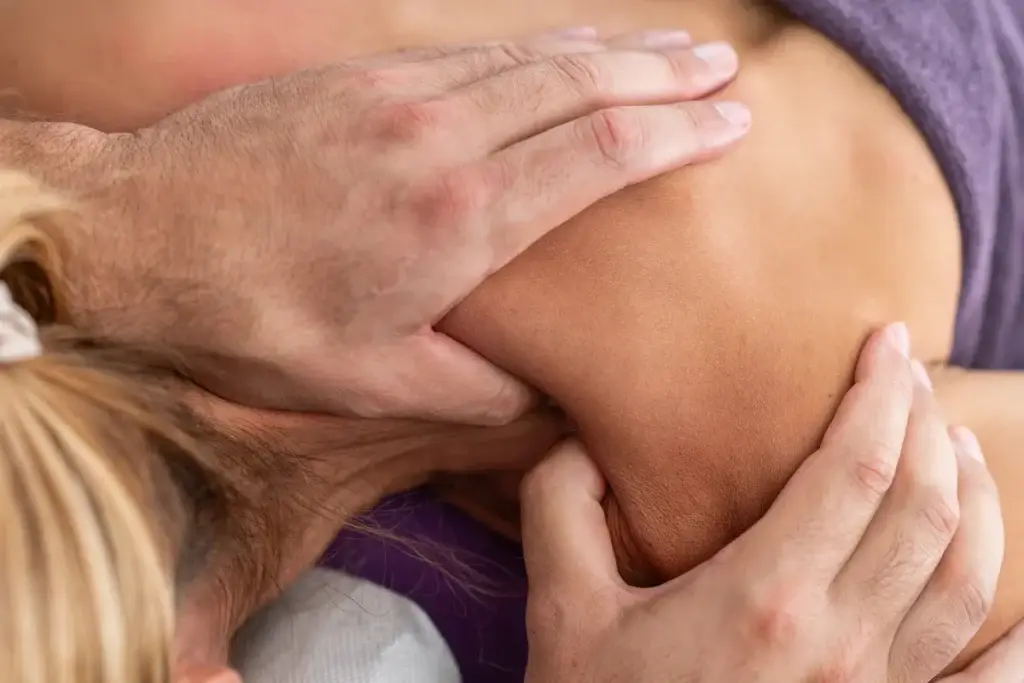
Manual lymphatic drainage is a specialized, gentle massage technique performed by practitioners with appropriate training.
It uses controlled movements designed to encourage lymph fluid movement through functioning lymphatic pathways.
MLD is commonly incorporated into complete decongestive therapy for the management of lymphedema. It may also be considered in selected post-surgical recovery programs.
Treatment techniques and timing should be adapted to the individual’s surgical history and recovery requirements.
Compression-Based Lymphatic Therapy
Compression-based technologies use controlled pressure to apply compression through a garment or treatment system.
Sequential pneumatic compression devices use inflatable chambers to deliver pressure in a programmed sequence. These systems vary in their design, coverage, pressure settings, and intended applications.
Professional lymphatic drainage machines and manual massage
Depending on the device and the individual’s clinical circumstances, compression-based therapy may be considered as part of an appropriate treatment plan.
For practitioners, it is important to distinguish between different compression technologies and understand the specific indications, contraindications, and instructions for use of each system.
Professional Full-Body Compression and Thermotherapy
Flowpresso combines cyclic pneumatic compression and thermotherapy within a professional, full-body suit.
Its integrated approach provides a different treatment format from manual lymphatic drainage or compression-only devices.
For practitioners, Flowpresso offers a professional technology option to consider when expanding their treatment offering and evaluating appropriate applications for their client population.
As with any post-surgical intervention, its use must be guided by individual assessment, the patient’s surgical restrictions, and the system’s applicable authorization and instructions for use.
Flowpresso should not be assumed to be suitable immediately after surgery or for every type of postoperative swelling. Medical clearance and appropriate timing are essential.
When Can You Start Lymphatic Therapy After Surgery?
One of the most common questions patients ask is how soon they can begin lymphatic therapy after an operation.
There is no universal timeline.
The appropriate timing depends on:
- The type of surgery performed.
- Whether lymph nodes or lymphatic vessels were affected.
- The extent of tissue disruption.
- Incision and wound healing.
- The presence of postoperative complications.
- The individual’s medical history.
- The recommendations of the surgeon.
Some postoperative treatment protocols may introduce specific lymphatic techniques relatively early, while others require a longer recovery period before treatment can begin.
This is particularly important when considering compression-based equipment.
Practitioners should obtain appropriate medical clearance, review the relevant instructions for use, and confirm that the proposed treatment is suitable for the individual.
The priority should always be supporting recovery safely rather than following a predetermined treatment schedule.
Choosing the Right Lymphatic Therapy for Post-Surgical Recovery
Not every patient needs the same treatment, and not every lymphatic therapy device is appropriate for every recovery situation.
When evaluating treatment options, practitioners should consider several factors.
The type of surgery
Procedures involving lymph node removal, abdominal surgery, orthopedic surgery, and cosmetic surgery can have very different recovery requirements.
The cause of swelling
Swelling may be associated with normal postoperative inflammation, venous issues, lymphatic disruption, medication effects, or other conditions. Identifying the cause is essential.
The stage of recovery
A treatment that may be appropriate several weeks or months after surgery may not be suitable during the immediate postoperative period.
The technology being used
Manual lymphatic drainage, compression garments, pneumatic compression systems, and other modalities have different mechanisms and intended applications.
Individual suitability
Medical history, medications, cardiovascular health, wound status, and other factors may influence whether a particular treatment is appropriate.
For patients, the best starting point is a conversation with their surgeon or healthcare provider.
For practitioners, a thorough assessment and appropriate referral pathways help ensure that treatment recommendations are individualized and clinically appropriate.
How Flowpresso Fits Into Professional Lymphatic Therapy
As interest in lymphatic health and recovery continues to grow, more clinics are exploring professional technology to complement their existing services.
Flowpresso is a professional, full-body lymphatic therapy system that combines cyclic pneumatic compression and thermotherapy.
Unlike localized compression devices, Flowpresso is designed to provide a full-body treatment experience within one integrated system.
For eligible practitioners, this offers an additional technology option to consider within their professional service offering.
Potential considerations include:
- Full-body treatment coverage.
- Combined pneumatic compression and thermotherapy.
- Practitioner-supervised application.
- Integration into an appropriate treatment plan.
- A differentiated service offering for suitable client populations.
For clinics working with post-surgical patients, it is important to establish clear treatment protocols and referral pathways.
Flowpresso should only be used when the patient is medically suitable and within the system’s applicable authorized indications and instructions for use. It is not a replacement for prescribed compression, manual lymphatic drainage, rehabilitation, or surgeon-directed recovery care.
The opportunity is to evaluate where professional technology may fit within a broader, individualized approach to lymphatic health.
Why Professional Guidance Matters
Although lymphatic therapy can be valuable in selected recovery settings, it is not appropriate for everyone.
Certain conditions may make massage or compression unsuitable, including suspected blood clots, acute infection, and some cardiovascular conditions.
New, sudden, painful, or unexplained swelling requires medical assessment rather than an attempt to manage it through lymphatic treatment.
Patients should always:
- Follow their surgeon’s postoperative instructions.
- Obtain medical clearance before starting treatment.
- Work with appropriately trained practitioners.
- Disclose relevant medical conditions and medications.
- Report any worsening symptoms or unexpected discomfort.
Professional guidance helps ensure that treatment is appropriate for the individual and does not interfere with their recovery.
Wondering how technology compares with hands-on techniques? Read our guide to professional lymphatic drainage machines vs. manual lymphatic massage.
Choose a practitioner who coordinates with your surgeon
Ask your surgical team for a referral to someone with specific lymphatic-drainage training and relevant postoperative experience. For diagnosed lymphedema, a certified lymphedema therapist can help coordinate compression, skin care, movement, and massage. Training and communication matter more than promises of dramatic before-and-after changes. (cancer.gov)
Bring these questions to your consultation:
- What training do you have in manual lymphatic drainage and my type of recovery?
- Will you follow my surgeon’s restrictions and communicate concerns?
- What changes would make you pause treatment or refer me back?
- What outcome are we targeting, and when will we review progress?
- Can you teach any appropriate home techniques instead of relying only on appointments?
Between visits, continue your prescribed recovery measures. Movement, properly fitted compression when recommended, and skin care work together in lymphedema management. Learn self-massage from your treating clinician rather than copying a generic online routine. (nhs.uk)
The Role of Lymphatic Therapy in Modern Recovery Care
Post-surgical recovery is an individual process, and supporting it requires more than focusing on the surgical site alone.
Lymphatic therapy can play a valuable role in appropriate recovery plans, particularly when swelling management and lymphatic function are relevant considerations.
From manual lymphatic drainage to professional compression-based technologies, practitioners have different approaches to consider depending on the patient’s needs and clinical circumstances.
For clinics, understanding these options creates opportunities to broaden professional knowledge, evaluate new technologies, and provide more comprehensive services.
Flowpresso combines cyclic pneumatic compression and thermotherapy within a professional, full-body system, offering practitioners another technology to explore as part of their wider approach to lymphatic health.
This article is for educational purposes only and is not medical advice. Post-surgical treatment should be approved by the patient’s surgical team and delivered according to appropriate professional guidance. Flowpresso should only be used within its applicable authorization and instructions for use.
Frequently Asked Questions
Lymphatic drainage may help manage swelling and discomfort in selected post-surgical patients. It is particularly established as part of lymphedema management. Its benefits vary depending on the procedure and the individual’s circumstances, so treatment should be recommended by an appropriate healthcare professional.
There is no universal timeline. It depends on the surgery, wound healing, complications, and the surgeon’s instructions. Always obtain medical clearance before starting manual lymphatic drainage or compression-based treatment.
Manual lymphatic drainage is a specialized hands-on technique using gentle, controlled movements. Compression machines use inflatable chambers or other mechanical methods to apply pressure. They have different mechanisms and are not interchangeable.
Certain compression therapies may be appropriate for selected patients, depending on the cause of swelling, the type of surgery, and the device’s intended use. Medical assessment and clearance are important before beginning treatment.
Flowpresso is a professional system combining cyclic pneumatic compression and thermotherapy. Whether it is suitable after surgery depends on the procedure, recovery stage, individual medical history, and the system’s applicable indications and contraindications. Appropriate medical clearance is essential.
Lymphatic drainage and scar management are different treatment approaches. While selected manual techniques may be incorporated into recovery programs, there is insufficient evidence to conclude that lymphatic drainage reliably prevents or eliminates scar tissue. Scar treatment should be guided by an appropriate assessment.