

Quick Summary:
“The lymphatic system relies on movement, breathing, hydration, and muscle activity to transport lymph fluid throughout the body. When lymphatic flow slows down, fluid may begin accumulating in tissues, contributing to puffiness, swelling, heaviness, and feelings of sluggishness. Common contributing factors include inactivity, prolonged sitting, dehydration, stress, surgery, injury, and ageing. Supporting healthy lymphatic flow often involves regular movement, hydration, recovery practices, and practitioner-led therapies. Compression-based technologies, including systems such as Flowpresso®, may also be incorporated into broader wellness and recovery protocols designed to support circulation and lymphatic function.”
Understanding Why Lymphatic Flow Slows Down
The lymphatic system is one of the body’s most important yet least talked-about systems. It helps move excess fluid, remove waste, and support immune health, all while working quietly behind the scenes.
But unlike the cardiovascular system, which has the heart constantly pumping blood, the lymphatic system relies heavily on movement and body activity to function effectively.
When lymphatic flow slows down, fluid can begin accumulating in tissues, leading to puffiness, swelling, fatigue, and feelings of heaviness.
A useful way to think about the lymphatic system is like a slow-moving river. When the water flows steadily, debris continues moving downstream. But when the current slows, things begin collecting along the edges. The same thing can happen within the body when lymphatic circulation becomes sluggish.
This article explores why the lymphatic system can slow down and how to support healthy lymphatic flow.
What Is the Lymphatic System and Why Is It Important?
The lymphatic system is a network of vessels, lymph nodes, and tissues that help transport lymph fluid throughout the body.
This fluid contains:
- Water
- Proteins
- Waste products
- Immune cells
- Cellular debris
The lymphatic system plays a key role in maintaining fluid balance and supporting the body’s natural defence systems.

Why Does the Lymphatic System Slow Down?
Lack of Movement
Movement is one of the biggest drivers of lymphatic flow. Muscles act like pumps that help push lymph fluid through the vessels. Long periods of sitting or inactivity can slow this process significantly.
Sedentary Modern Lifestyles
Many people spend hours each day sitting at desks, driving, or using devices. The body was designed for regular movement, and reduced activity can impact circulation and lymphatic function over time.
Dehydration
Without adequate hydration, fluid movement throughout the body may become less efficient. Water plays an important role in supporting healthy circulation and lymph transport.
Stress and Fatigue
Chronic stress can affect multiple systems in the body, including circulation, inflammation, sleep quality, and recovery processes. Over time, this may contribute to feelings of sluggishness and fluid retention.
Injury or Surgery
After injury or surgery, the body naturally experiences inflammation and tissue repair processes. This can temporarily overwhelm or slow local lymphatic drainage.
Aging
As the body ages, circulation, muscle activity, and tissue elasticity may gradually change, potentially affecting lymphatic efficiency.
Signs the Lymphatic System May Be Slowing Down
People may notice:
- Swelling or puffiness, particularly in the face, hands, legs, or feet
- Fluid retention that seems to come and go
- Heavy, tired, or achy legs and arms
- Fatigue or low energy levels
- Feeling bloated or experiencing digestive discomfort
- Brain fog or difficulty concentrating
- Slower recovery after exercise, injury, or illness
- A feeling of stiffness or general body discomfort
- Tightness in clothing, shoes, or jewelry
- Increased sensitivity to inflammation or feeling “puffy” throughout the body
- Frequent feelings of congestion or sluggishness
Because the lymphatic system is closely connected to circulation, immunity, digestion, and recovery, signs of reduced lymphatic flow can look different for everyone.

How to Support Healthy Lymphatic Flow
Move Throughout the Day
Regular walking, stretching, and movement are some of the simplest ways to support lymphatic circulation. Even short movement breaks can help.
Practice Deep Breathing
Breathing deeply helps create pressure changes that encourage fluid movement through the body.
Stay Hydrated
Consistent hydration supports circulation and helps maintain healthy fluid balance.
Prioritise Recovery
Sleep and recovery are important for overall circulation, tissue repair, and body function.
Support Circulation
Some people use recovery tools, compression systems, or professional therapies to help support circulation and lymphatic movement.
Clinical Support Options
Compression-based recovery systems are one option that may help encourage movement of fluids through the body by applying gentle, controlled pressure to the limbs.
A Different Approach to Lymphatic Support
While traditional compression systems focus primarily on mechanical pressure, newer wellness technologies are taking a more holistic approach.
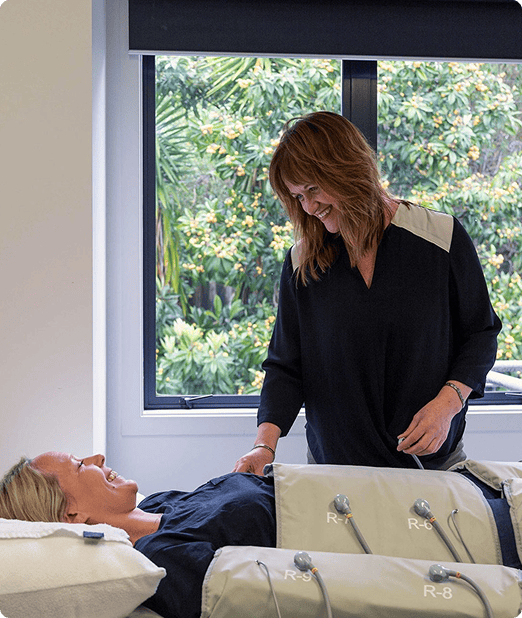
Flowpresso® takes a broader approach by combining dynamic compression, thermotherapy support, and deep relaxation within a practitioner-delivered session. This
integrated approach is designed to support circulation, lymphatic flow, relaxation, and recovery simultaneously.
Many people incorporate Flowpresso into their wellness routine when they are looking to feel lighter, less bloated, more energised, and recover from the demands of everyday life.
When to Seek Professional Advice
Seek professional advice if swelling or symptoms:
- Persist or worsen
- Occur suddenly
- Are painful
- Develop after surgery
- Affect mobility
- Interfere with daily life
A healthcare professional can help identify the underlying cause and determine appropriate care.
Why People Become Interested in Lymphatic Health
Most people never think about their lymphatic system until they begin noticing symptoms such as swelling, heaviness, puffiness, or fluid retention.
These changes often develop gradually and can be easy to dismiss at first. However, over time they may begin affecting comfort, mobility, and overall wellbeing, particularly during periods of inactivity, travel, recovery, or increased physical demands.
Understanding the factors that influence lymphatic flow allows people to take a more proactive approach to supporting circulation, recovery, and fluid balance. For many individuals, simple daily habits combined with appropriate professional support can make a meaningful difference in how they feel.
Conclusion
The lymphatic system depends heavily on movement, hydration, circulation, and recovery to function effectively. Modern lifestyles, inactivity, stress, and recovery challenges can all contribute to slower lymphatic flow.
Supporting the body through simple daily habits can help encourage healthier fluid movement and overall wellbeing.
Like a river that flows best when unobstructed, the lymphatic system functions more efficiently when the body keeps moving.
FAQ's
1. What Causes the Lymphatic System to Slow Down?
Several factors can contribute to slower lymphatic flow, including prolonged sitting, reduced physical activity, dehydration, stress, recovery from surgery or injury, and age-related changes in circulation and mobility. Because the lymphatic system relies heavily on movement, inactivity is one of the most common contributing factors.
2. What Are the Signs of Poor Lymphatic Flow?
Common signs may include swelling, puffiness, fluid retention, feelings of heaviness, reduced flexibility, tight-fitting clothing or jewellery, and general feelings of sluggishness or fatigue. The specific experience can vary from person to person.
3. How Can You Improve Lymphatic Flow Naturally?
Supporting lymphatic function often involves regular movement, adequate hydration, deep breathing exercises, quality sleep, and recovery practices that encourage healthy circulation and fluid movement throughout the body.
4. Does Sitting Too Much Affect the Lymphatic System?
Because the lymphatic system relies on muscle contractions and movement to transport fluid, prolonged periods of sitting or inactivity can reduce the natural mechanisms that help support lymphatic flow. Regular movement breaks throughout the day may help encourage circulation.
5. Can Compression Therapy Support Lymphatic Function?
Compression-based therapies are commonly used in rehabilitation, recovery, and wellness settings to support circulation and fluid movement. Some practitioners incorporate technologies such as pneumatic compression systems like Flowpresso® into broader wellness and lymphatic support protocols.
6. When Should You Seek Professional Advice?
Professional advice should be sought if swelling persists, worsens, develops suddenly, becomes painful, occurs following surgery, or begins affecting daily comfort and mobility. A healthcare professional can help identify the underlying cause and recommend appropriate support options.