

Quick Summary:
“Manual lymphatic drainage uses very light, rhythmic strokes applied to the skin to encourage fluid movement through the lymphatic system, and most people find it much gentler and more relaxing than they expected. What you notice during and after a session varies from person to person, and a trained therapist will guide you through what to expect based on your individual goals.“
Booking a first manual lymphatic drainage session comes with a lot of questions. What exactly is going to happen? Will it hurt? What does it actually feel like? And what should you do afterward? These are completely normal things to wonder about, especially if you have only ever had a regular massage and are not sure how different this is going to be. The short answer is: quite different, and usually in a way that surprises people.
How Does Manual Lymphatic Drainage Work?
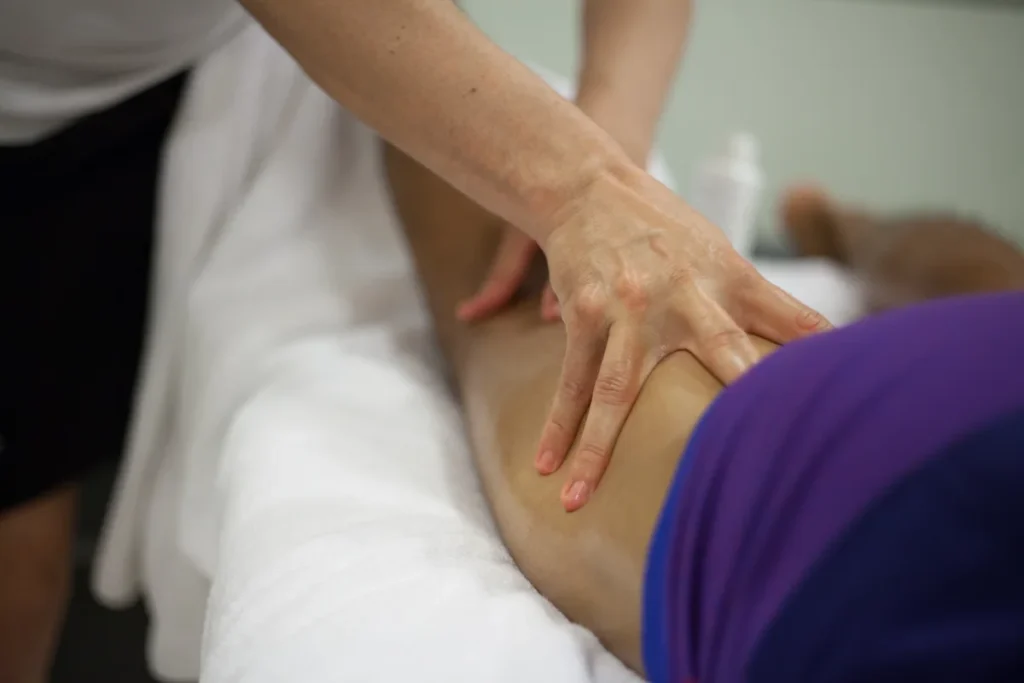
Manual lymphatic drainage is a specialized massage technique that uses very light, rhythmic strokes applied to the skin in specific directions to encourage lymphatic flow through the body’s network of vessels and nodes. The lymphatic system has no central pump of its own, so it depends on movement, muscle contractions, and breathing to support fluid movement and encourage the clearance of cellular waste from the tissues. Manual lymphatic drainage provides a structured, external way to support that waste removal.
The pressure used is intentionally feather-light. Far lighter than most people expect. The lymphatic vessels sit just below the skin’s surface and respond to gentle stimulation. A trained therapist follows the body’s natural drainage pathways in a specific sequence, typically starting at the lymph node clusters and working outward, so the pathway is prepared before the therapist works outward.
What happens during a session, what it feels like, and how long it takes to notice any difference all vary depending on the individual, their wellness goals, and the guidance of the practitioner overseeing their care.
What Happens During a Manual Lymphatic Drainage Session?
A session typically begins with a brief conversation. The therapist will ask about your wellness goals, any relevant health history, and what you are hoping to get from the session. This shapes how they approach the work and which areas they focus on.
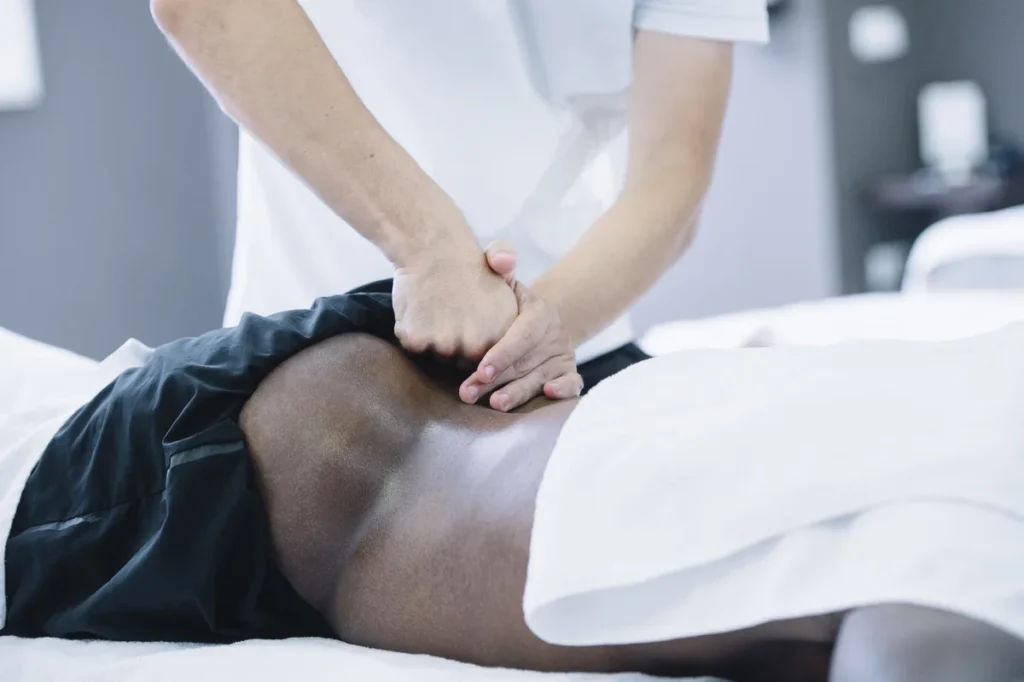
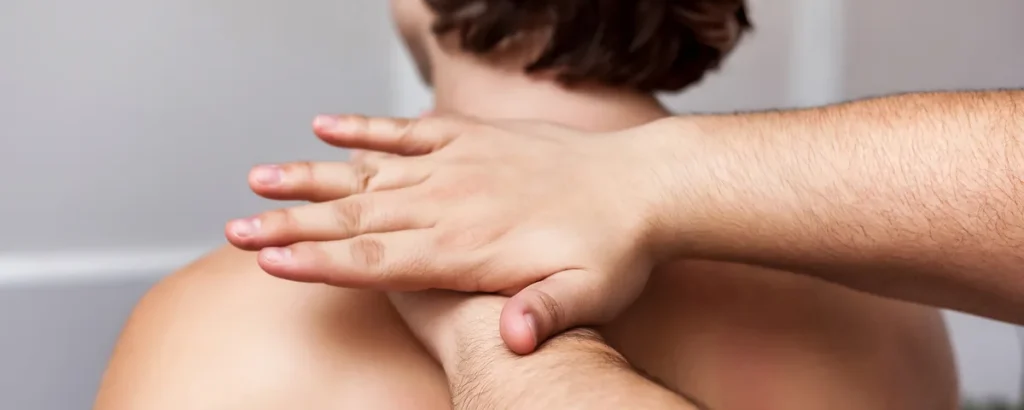
You will lie comfortably on a treatment table, usually covered with a sheet. The therapist begins at the core lymph node clusters, such as those in the neck, armpits, or groin depending on the area of focus, before working outward in slow, rhythmic strokes. The technique is repetitive and wave-like. There is no firm pressure, no kneading, and nothing that feels like a standard deep tissue massage.
Manual sessions typically last between 45 and 90 minutes. The pace stays slow throughout, and many people find the experience calm enough that they feel sleepy before the session ends.
What Does Lymphatic Drainage Feel Like?
The most common reaction from first-timers is surprise at how gentle it is. People who come in braced for something intense tend to spend the first few minutes wondering when it is going to start. The answer is that it already has.
The strokes are so light they feel almost like someone is brushing the surface of the skin rather than working into it. Some people find it deeply meditative. Others barely notice the physical sensation at all and just feel themselves relaxing. A small number of people notice very mild sensitivity in areas where the lymph nodes are being worked, particularly around the neck or groin, but this is typically brief and tends to ease as the session continues.
The experience varies from person to person. Individual factors like general sensitivity, lymphatic health, and overall physical state all play a role in what a session feels like on any given day.
How to Prepare for a Session
Manual lymphatic drainage sessions do not require much preparation, but a few simple things can make the experience more comfortable.
- Arrive well hydrated. Lymph fluid needs adequate water to flow properly, and being well hydrated before a session supports the process.
- Avoid a heavy meal immediately beforehand. A light meal a couple of hours before is more comfortable than eating just before the session.
- Wear comfortable, loose clothing that is easy to remove and put back on.
- Avoid applying heavy lotions or oils to the skin beforehand, as these can affect how the therapist’s hands move across the skin.
- Let the therapist know if you have any health conditions, recent surgeries, areas of tenderness, or any other relevant information before the session begins.
The therapist will walk you through anything else you need to know before getting started. There are no complicated preparations and nothing to be anxious about.
What Happens Afterward?
Within the first few hours after a session is often where people first notice something has shifted. Many people describe feeling noticeably lighter, calmer, and less physically heavy than before. That sense of ease is one of the more immediate things people tend to remark on after a first session.
It is also common to feel more thirsty than usual, or to need to use the bathroom more frequently in the hours following a session. This is commonly reported in the hours following a session and is generally considered a normal response.
A few practical things to keep in mind afterward:
- Drink plenty of water in the 24 to 48 hours following a session to support continued fluid management.
- Light movement, even a short walk, helps keep lymphatic flow active after the session.
- Avoid strenuous activity or intense exercise immediately afterward.
- Avoid alcohol and high-sodium foods in the hours following a session where possible.
- Rest if the body calls for it. Some people feel energized; others feel like they need a quiet evening. Both are normal.
Session Experience, Relaxation, and Expected Sensations
One of the things that catches people off guard about manual lymphatic drainage is how genuinely relaxing it tends to be. The slow, rhythmic nature of the technique is associated with a calming experience, which is connected to why the lymphatic and parasympathetic systems are so closely linked, and why a session that is technically addressing fluid flow often feels like the most deeply restful 60 minutes of the week.
Expected sensations during a session include a gentle warmth in the area being worked, a mild tingling or light awareness of movement beneath the skin, and a sense of relaxation that may develop as the session continues. Some people notice very little sensation at all. None of these variations are a sign that something is or is not working. Individual responses differ, and the therapist will check in regularly throughout the session to make sure everything feels comfortable.
How Long Does It Take to Work or Notice Results?
This is one of the most commonly asked questions and the honest answer is that it varies. Some people notice a difference after a single session. Others find that the cumulative effect of regular sessions over several weeks is where they start to feel something more consistent.
The timeline depends on individual factors including overall lifestyle, hydration, movement habits, sleep quality, and how consistently sessions are incorporated into a wellness routine. People who support their sessions with good daily habits tend to notice the effects building more steadily over time. For a fuller picture of how long lymphatic drainage results last and what influences the duration, a qualified practitioner is the best source of guidance.
A trained therapist will be able to advise on an appropriate session frequency based on your specific goals and circumstances. There is no universal schedule, and what works well for one person may look quite different for another.
Safety and When to Speak With a Licensed Healthcare Professional
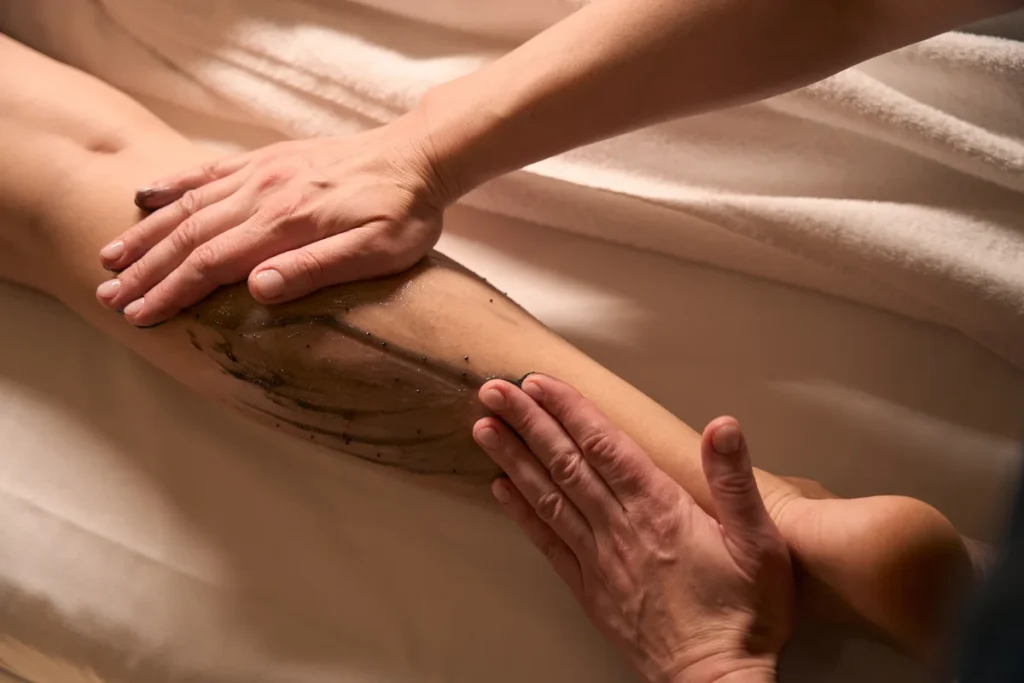
Manual lymphatic drainage is generally considered safe for most healthy adults when performed by a trained and certified practitioner. There are circumstances where it may not be appropriate, including active infections, certain cardiovascular conditions, blood clots, or other contraindications that a qualified therapist will assess before beginning. Understanding what lymphatic blockage looks like and when professional assessment is needed is important context for anyone new to lymphatic drainage.
Persistent swelling, discomfort, or any symptoms that are worsening should always be assessed by a healthcare provider before starting a manual lymphatic drainage program. A practitioner will ask about health history and any relevant conditions before the session begins and will adjust their approach accordingly.
Manual Lymphatic Drainage and Device-Assisted Lymphatic Support
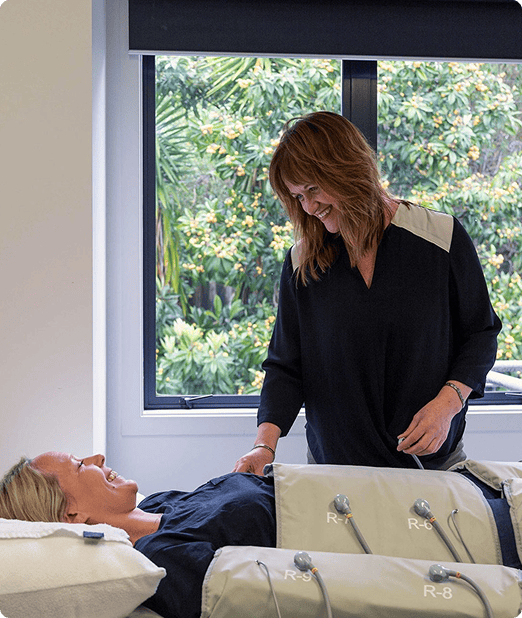
Manual lymphatic drainage is one approach within a broader landscape of lymphatic support options. Device-based approaches offer an alternative for a wider group of specialists to offer advanced, expert level lymphatic drainage to their patients and clients. Flowpresso® is an FDA-cleared Class II medical device that combines cyclic pneumatic compression, gentle thermotherapy, and deep pressure stimulation into a single 40-minute session, delivered through a full-body compression suit under the supervision of a licensed healthcare practitioner. It is intended to support lymphatic drainage, circulation, relaxation, and recovery as part of a supervised clinical wellness routine, and is not intended to diagnose, treat, cure, or prevent any disease.
The two approaches work through different mechanisms and serve different clinical contexts. Many practitioners use both depending on the individual’s wellness goals and what the supervising practitioner considers most appropriate.
FAQ's
What Happens During a Manual Lymphatic Drainage Session?
A session begins with a brief conversation about your wellness goals and health history. You lie comfortably on a treatment table while the therapist applies very light, rhythmic strokes across the skin, following specific lymphatic pathways. The therapist typically starts at the lymph node clusters and works outward. Manual sessions usually last between 45 and 90 minutes and are generally very calm and relaxing throughout.
What Does Lymphatic Drainage Feel Like?
Most people describe manual lymphatic drainage as surprisingly gentle. The pressure is very light, closer to a skin-level brushing sensation than a traditional massage. Many people find it deeply relaxing and feel sleepy during the session. Some notice a mild warmth or light awareness of movement in the area being worked. Individual experiences vary, and the therapist will check in throughout to make sure everything feels comfortable.
How Should Someone Prepare for a Manual Lymphatic Drainage Session?
Arrive well hydrated, avoid a heavy meal immediately beforehand, wear comfortable clothing, and skip heavy skin products on the day. Let the therapist know about any health conditions, recent procedures, or areas of tenderness before the session starts. The therapist will guide you through anything else specific to your situation.
What Happens After a Lymphatic Drainage Massage?
Many people feel lighter, calmer, and more physically at ease after a session. It is common to feel more thirsty than usual or to use the bathroom more frequently in the hours following. Drinking plenty of water, doing light movement, and resting if needed are all good post-session habits. Strenuous activity and alcohol are generally best avoided immediately afterward.
How Long Does It Take to Notice Results from Manual Lymphatic Drainage?
The timeline varies from person to person. Some people notice a difference after a single session. Others find that a more consistent effect builds over multiple sessions. Lifestyle factors including hydration, movement, sleep, and nutrition all influence how the body responds. A qualified practitioner can advise on an appropriate session frequency based on individual circumstances.
Is Manual Lymphatic Drainage Supposed to Feel Relaxing?
Yes, for many people it is one of the more relaxing wellness experiences they have had. The slow, rhythmic nature of the technique is associated with a calming session experience. That said, individual experiences vary, and not everyone responds in exactly the same way.