

Quick Summary:
“Pressotherapy is a non-invasive compression therapy that uses rhythmic air pressure to support lymphatic flow, circulation, and recovery. Professional devices like Flowpresso® combine pneumatic compression, thermotherapy, and deep pressure stimulation for a more complete session experience under licensed practitioner supervision”
More people are discovering pressotherapy as part of their regular recovery and self-care routines. You will find it in chiropractic clinics, physical therapy practices, naturopathic offices, and integrative wellness centres. Here is a clear look at what pressotherapy actually is, how it works, what a session involves, and what makes professional devices like Flowpresso® a different experience to standard compression tools.
What Is Pressotherapy?
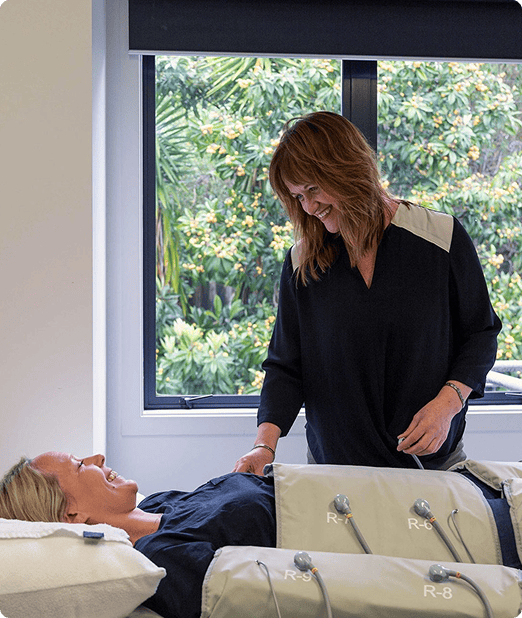
Pressotherapy is a non-invasive therapy that uses controlled air compression, sometimes referred to as pressure therapy, to stimulate lymphatic flow and circulation throughout the body. A specially designed suit or garment applies rhythmic pressure across different zones, typically the legs, arms, or abdomen, encouraging fluid movement and supporting the body’s natural drainage process.
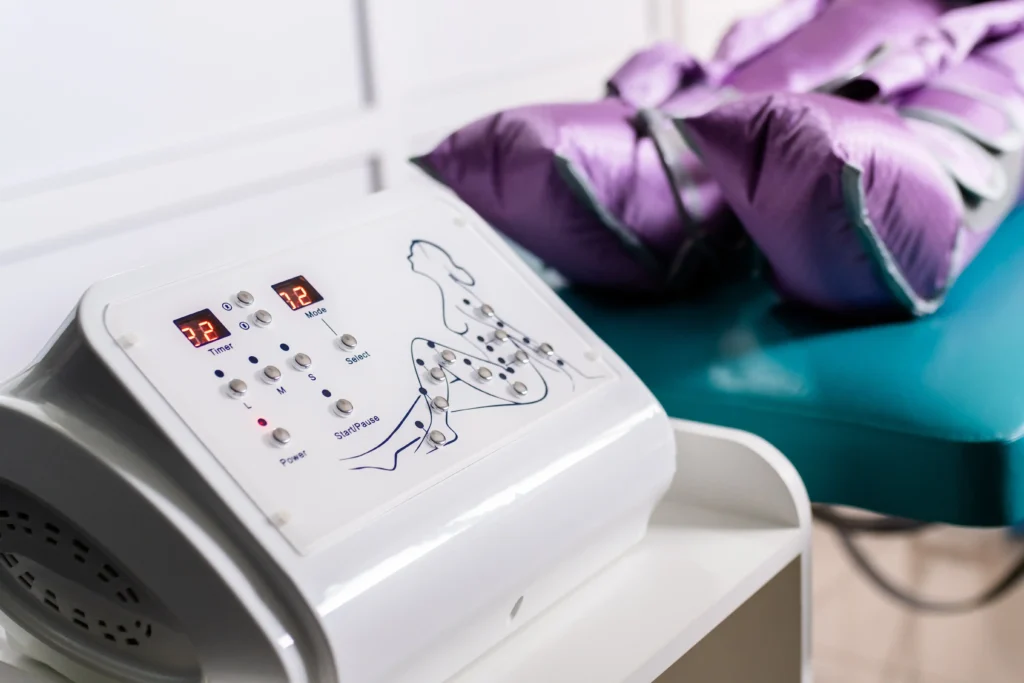
Flowpresso® is an FDA-cleared Class II medical device designed for use under the supervision of a licensed healthcare practitioner. It combines cyclic pneumatic compression with gentle thermotherapy and deep pressure stimulation to create a multi-layered session experience. You will commonly find it used by professionals including chiropractors, physical therapists, naturopathic doctors, and physicians in clinical and wellness settings.
How Does Pressotherapy Work?
The core mechanism behind pressotherapy is sequential compression. The garment inflates and deflates in a specific pattern, moving from the extremities toward the core. This directional movement mimics the natural pumping action of the lymphatic system, which relies on muscle activity and movement to circulate lymph fluid through the body.
Standard pressotherapy devices work through this single mechanism. Flowpresso® builds on it with two additional layers. The thermotherapy component delivers consistent gentle warmth as part of the overall session experience. The deep pressure stimulation is designed to engage a sense of calm and physical ease during the session, drawing on the connection between sustained pressure and the body’s rest and recovery state. Together, these three elements create a full-body session that feels calmer and more enveloping than standard pressotherapy lymphatic drainage alone.
What Happens During a Pressotherapy Session?
A typical pressotherapy session involves lying down fully clothed while a garment is fitted over the treatment area, most often the legs, but sometimes the arms or full body depending on the device and the session goals.
Once the session begins, you will feel the garment inflate progressively, starting from the lower extremities and moving upward in a rhythmic, wave-like pattern. The sensation is generally described as a firm, moving squeeze rather than anything sharp or uncomfortable. Sessions typically last between 30 and 60 minutes, and most people describe them as deeply relaxing.
With Flowpresso®, the added thermotherapy and deep pressure components mean the session involves consistent warmth alongside the compression, creating a fuller experience that many people describe as one of the most restorative parts of their wellness routine.
What Is Pressotherapy Used For?
Pressotherapy is used across a range of wellness and clinical settings for different purposes. The most common applications include post-activity recovery support, general circulation comfort, lymphatic drainage support, and stress recovery as part of a broader wellness protocol.
Active adults and those with physically demanding lifestyles often incorporate pressotherapy sessions into their recovery routines. In clinical settings, practitioners including chiropractors, physical therapists, and naturopathic doctors use pressotherapy lymphatic massage techniques as one component of structured wellness protocols, not as a standalone solution but as a well-integrated addition to broader care.
Is Pressotherapy Safe?
For most healthy adults, pressotherapy is well-tolerated and considered safe when performed in a professional setting with appropriate supervision. The non-invasive nature of the therapy, no needles, no incisions, no medication, makes it a practical option for people looking for recovery support or general wellness maintenance.
That said, safety always depends on the individual. Some situations call for extra caution or a conversation with your healthcare provider first.
You may want to check with your doctor before trying pressotherapy if you have:
- A history of deep vein thrombosis (DVT) or active blood clots
- Severe heart or kidney conditions
- Active infections, open wounds, or skin conditions in the treatment area
- A recent surgery or fracture
- A pacemaker or other implanted medical device
Pressotherapy is also generally not recommended during pregnancy without explicit guidance from a healthcare provider. A licensed practitioner will review your health history before any session to ensure it is appropriate for you.

Why People Choose Pressotherapy
The appeal of pressotherapy often comes down to what it does not require. There is no preparation, no recovery time after the session, and no discomfort beyond gentle rhythmic pressure. You arrive, get set up, and the session does its work.
The benefits of pressotherapy that people talk about most are practical rather than dramatic. For people who spend a lot of time on their feet, recover from athletic training, or simply want structured time to decompress during a busy week, the combination of compression, warmth, and deep pressure that devices like Flowpresso® provide fits naturally into a wellness routine. Knowing the session is delivered by a licensed practitioner in a supervised clinical environment gives people a genuine sense of confidence in the process.
FAQ's
What does pressotherapy do?
Pressotherapy uses rhythmic air compression to support lymphatic flow, circulation, and recovery. The sequential pressure encourages fluid movement through the body and creates a deeply relaxing session experience. Professional devices like Flowpresso® add thermotherapy and deep pressure stimulation for a more complete session.
Is pressotherapy safe for first-time users?
Pressotherapy is generally well-tolerated by first-time users. Sessions start at comfortable pressure levels, and licensed practitioners adjust settings based on individual needs. Most people find their first session relaxing rather than intense. Sharing any health concerns with your practitioner beforehand helps ensure the session is appropriate for you.
How long does a pressotherapy session last, and how often should you do pressotherapy?
A standard pressotherapy session typically lasts between 30 and 60 minutes. Flowpresso recommends a standard session of 40 minutes. Session frequency depends on individual health goals and is best determined by a licensed healthcare practitioner. For general wellness and recovery support, many people incorporate sessions once a week as part of a broader routine.
Is professional pressotherapy different from at-home compression devices?
Professional-grade devices like Flowpresso® are FDA-cleared, calibrated for clinical use, and combine multiple session elements, including compression, thermotherapy, and deep pressure, under practitioner supervision. The level of customisation, safety oversight, and session depth in a professional setting is meaningfully different from consumer devices.
What is pressotherapy used for in clinical settings?
In clinical settings, pressotherapy is used as part of structured wellness protocols focused on lymphatic drainage support, circulation comfort, and post-activity recovery. Practitioners including chiropractors, physical therapists, nurse practitioners, and naturopathic doctors incorporate it alongside other modalities based on individual wellness goals.
Can pressotherapy be combined with other wellness therapies?
Many wellness practitioners incorporate pressotherapy alongside other supportive therapies such as massage, stretching, or nutritional guidance. Combining therapies is generally done at the practitioner’s discretion based on individual wellness goals. Always let your provider know about any other therapies you are currently receiving.