

Quick Summary:
“Deep pressure therapy is a form of pressure-based stimulation that uses firm, distributed contact across the body to promote a sense of calm and physical ease. It is used in clinical and wellness settings to support relaxation, nervous system comfort, and recovery. Professional clinical systems like Flowpresso® incorporate deep pressure stimulation alongside cyclic pneumatic compression and thermotherapy, offering a multi-layered session experience under licensed practitioner supervision.“
Most people have experienced it without knowing the name. The feeling of a weighted blanket settling over you before sleep. The instinctive calm that comes from a firm, reassuring hug after a stressful day. That grounded, settled sensation is not coincidental. It reflects how the body responds to sustained, distributed pressure. Deep pressure therapy formalises that response into a structured wellness approach used in professional clinical and recovery settings around the world.
What Is Deep Pressure Therapy?
Deep pressure therapy is a non-invasive approach that applies firm, consistent pressure across a large surface area of the body to promote physical and neurological relaxation. Unlike targeted massage techniques that focus on specific muscle groups, deep pressure therapy works through broad, sustained contact that engages the body’s sensory system in a calming way.
The approach draws on the well-established relationship between sustained pressure and the body’s rest and recovery state. It is used across a range of professional wellness and clinical environments, from occupational therapy settings to recovery-focused clinical practices, as a way to support relaxation and overall physical ease during and after sessions.
How Deep Pressure Stimulation Works
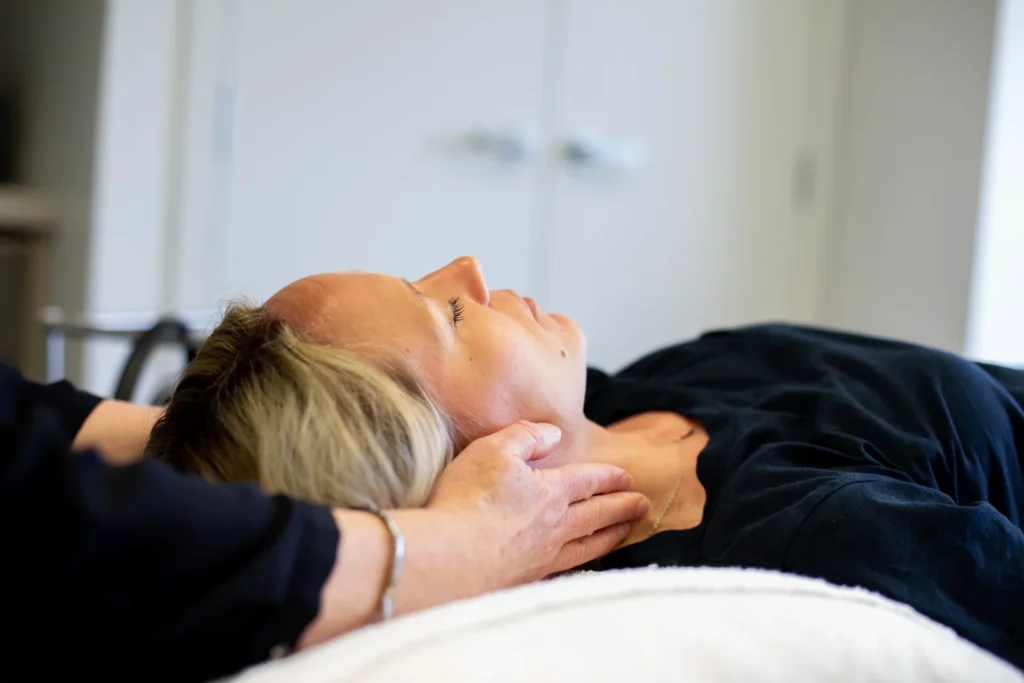
Deep pressure stimulation works by activating sensory receptors in the skin and underlying tissues that respond to firm, sustained contact. This type of input is interpreted by the nervous system differently from light touch. Where light touch can sometimes produce alertness or agitation, deep pressure tends to have the opposite effect, creating a sense of grounding and calm.
The body’s response to deep pressure stimulation involves a shift in the autonomic nervous system, the network that governs the balance between the alert state and the rest and recovery state. Sustained, distributed pressure encourages the body toward the parasympathetic side of this balance, which is associated with reduced physical tension, slower breathing, and a general settling of the system. This is what gives deep pressure therapy its distinctive calming quality that so many people describe as feeling like being held or contained.
How the Body Responds to Pressure-Based Relaxation
The physical response to deep pressure therapy tends to build gradually over the course of a session. Most people notice a progressive softening of physical tension as the session continues. Breathing often slows naturally. The kind of background physical restlessness that many people carry through their day begins to ease.
For people who carry a lot of tension through the shoulders, neck, or upper body as a result of long workdays or high-stress routines, this progressive physical settling is often the most immediately noticeable aspect of a deep pressure session. The body moves from a state of low-level alertness into genuine physical rest, which is a transition that is harder to achieve through passive activities like lying down without any external input.

The Connection Between Relaxation and Recovery
Relaxation and recovery are closely linked processes. The body does a significant amount of its restorative work during periods of genuine physical rest, when the nervous system has downregulated from its active state. Deep pressure therapy, by supporting that transition into a rest state, creates conditions in which recovery processes can operate more effectively.
This connection is one reason why deep pressure stimulation is incorporated into professional recovery-focused wellness systems. Flowpresso® is an FDA-cleared Class II medical device designed for use under the supervision of a licensed healthcare practitioner. It combines deep pressure stimulation with cyclic pneumatic compression and gentle thermotherapy, creating a session that addresses relaxation, circulation support, and recovery simultaneously rather than treating each in isolation.
Where Deep Pressure Therapy Is Commonly Used
Deep pressure therapy appears across a broad range of professional settings, which reflects both its versatility and the consistency of its calming effect on the body’s sensory and autonomic systems.
In clinical wellness settings, it is used by chiropractors, physical therapists, naturopathic doctors, and physicians as part of broader wellness protocols. In occupational therapy, deep pressure stimulation is a recognised tool for supporting individuals who benefit from sensory regulation. In recovery-focused practices, it is integrated into multi-modal systems to support the body’s transition from physical exertion into rest.
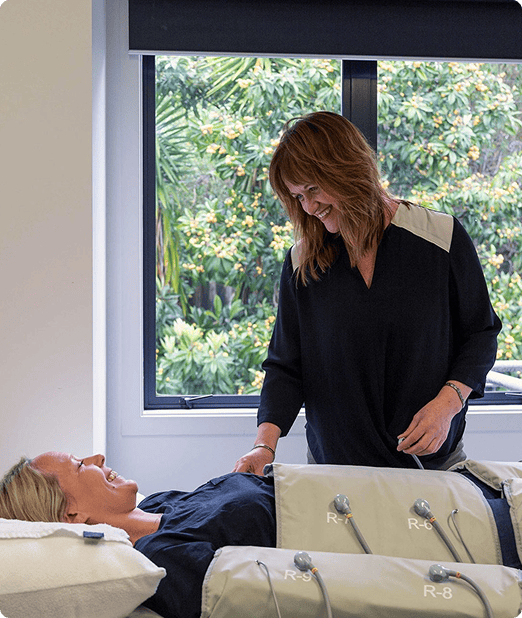
Professional systems like Flowpresso® deliver deep pressure stimulation across the full body through a clinical lymphatic compression suit, combining it with pneumatic compression and heat therapy to create a more comprehensive session than single-element approaches.

What People Typically Experience During Sessions
Most people describe their first deep pressure therapy session as immediately more calming than they expected. The sensation of firm, even pressure settling across the body, often accompanied by warmth in clinical multi-modal systems, creates a distinctive physical experience that most people find difficult to replicate through other means.
Deep pressure therapy for adults in professional settings typically involves lying down while the pressure is applied through a garment or clinical device. Sessions generally last between 30 and 60 minutes. The experience is passive, there is nothing the person needs to do except allow the session to work. Many people fall into a deeply relaxed state within the first 10 to 15 minutes.
The benefits of deep pressure therapy that people report most consistently are a marked reduction in physical tension, an overall sense of calm that extends beyond the session itself, and a feeling of being physically settled and rested in a way that differs from ordinary rest.
FAQ's
1. What does deep pressure therapy feel like?
Deep pressure therapy feels like firm, even pressure distributed across a large area of the body, often described as similar to being held in a reassuring, sustained embrace. It is not sharp or localised like targeted massage. The sensation is broad and grounding. In multi-modal clinical systems like Flowpresso®, consistent warmth from thermotherapy accompanies the pressure, adding to the overall sense of physical ease during the session.
2. Why do people describe deep pressure therapy as calming or comforting?
The calming quality of deep pressure stimulation comes from how the nervous system interprets sustained, distributed pressure. It tends to engage the body’s rest and recovery state rather than its alert state, which is why most people feel progressively more settled and at ease as a session continues. The sensation is often compared to the comfort of a weighted blanket or a firm hug.
3. How is deep pressure therapy different from massage?
Massage typically involves targeted manipulation of specific muscles or tissues using varied pressure and movement techniques. Deep pressure therapy applies broad, sustained pressure across a large surface area without the localised movement of massage. The goal is sensory and autonomic regulation rather than muscular work. Professional systems like Flowpresso® deliver deep pressure stimulation through a full-body clinical compression suit, which provides coverage that manual massage cannot replicate in a single session.
4. Can deep pressure stimulation support relaxation after stressful days?
Deep pressure stimulation is widely used in professional wellness settings as a relaxation support tool, particularly for people carrying high physical or mental tension. The sustained pressure encourages the body toward its rest and recovery state, which many people find genuinely helpful after demanding days. Sessions in supervised clinical environments offer a structured, consistent approach to that transition.
5. Why is deep pressure therapy included in some wellness and recovery systems?
Deep pressure therapy is included in multi-modal clinical systems because of its distinct contribution to the overall session experience. Compression alone addresses circulation and lymphatic flow. Deep pressure stimulation adds a sensory and autonomic layer that supports relaxation and nervous system comfort. In systems like Flowpresso®, this is combined with thermotherapy to create a session that addresses multiple aspects of physical well-being simultaneously.
6. How does compression therapy create deep pressure sensations?
Professional pneumatic compression systems apply air pressure through a garment that covers the legs, torso, and arms. As chambers inflate and maintain pressure across the body, the distributed contact creates the sustained sensory input associated with deep pressure stimulation. Advanced clinical systems like Flowpresso® are specifically designed to combine this compression-based pressure with heat therapy, producing a fuller deep pressure experience than standard compression devices alone.