

Quick Summary:
“A lymphatic drainage suit is a full-body compression garment used in professional wellness and clinical settings to support lymphatic flow, circulation, and recovery. It works by applying sequential pneumatic compression across the body, encouraging fluid movement through the lymphatic system. Professional systems like Flowpresso® combine pneumatic compression with thermotherapy and deep pressure stimulation for a more complete session experience under licensed practitioner supervision.“
Heavy legs after a long flight. That sluggish, puffy feeling after a day spent mostly sitting. The kind of full-body fatigue that does not shift no matter how much you rest. These are familiar feelings for a lot of people, and they are often connected to how well the lymphatic system is doing its job. Lymphatic drainage suits have become a go-to tool in clinical and wellness settings for exactly this kind of recovery and circulatory support. Here is a straightforward look at what they are, how they work, and what a session actually feels like.
What Is a Lymphatic Drainage Suit?
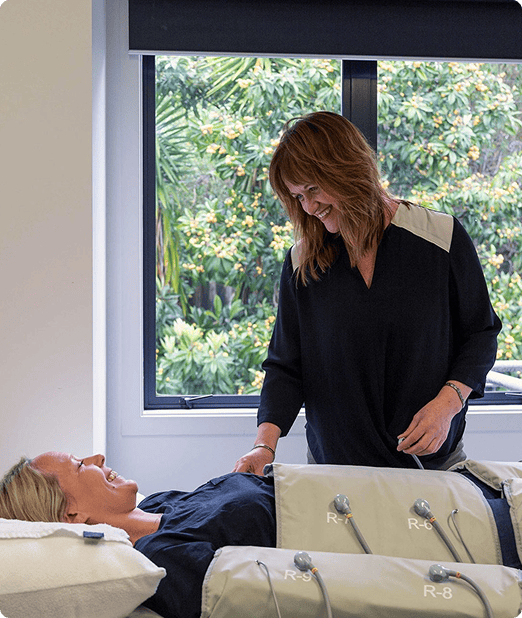
A lymphatic drainage suit is a full-body compression garment, typically covering the legs, torso, and arms, that uses pneumatic compression technology to support lymphatic flow and circulation. Unlike static compression garments that apply fixed pressure throughout the day, a lymphatic compression suit inflates and deflates in a controlled, sequential pattern, actively moving fluid through the body rather than passively containing it.
Professional clinical systems like Flowpresso® go beyond standard compression. Flowpresso® is an FDA-cleared Class II medical device designed for use under the supervision of a licensed healthcare practitioner. It combines cyclic pneumatic compression with gentle thermotherapy and deep pressure stimulation, creating a multi-layered session experience used by chiropractors, physical therapists, naturopathic doctors, nurse practitioners, plastic surgeons and physicians, amongst others, in clinical and wellness settings.
How Pneumatic Compression Works Inside the Suit
The core mechanism of a lymphatic drainage suit is sequential pneumatic compression. The suit contains multiple air chambers that inflate and deflate in a specific order, starting at the extremities and moving progressively toward the core. This wave-like motion mirrors the natural pumping action the lymphatic system relies on during regular movement and muscle activity.
A pressotherapy suit works on the same foundational principle. The rhythmic pressure encourages lymph fluid to move through its vessels and nodes, supporting the body’s natural drainage process. A full body compression suit for lymphatic drainage provides broader coverage than single-limb devices like compression boots, addressing the entire circulatory and lymphatic network within one session.
The Role of Heat and Deep Pressure Stimulation
Standard lymphatic drainage compression suits rely on pneumatic compression alone. More advanced clinical systems layer additional therapeutic elements on top of this.
Thermotherapy, the application of consistent gentle heat, is integrated into systems like Flowpresso® as part of the session experience. The warmth contributes to a sense of physical ease and comfort during the session, complementing the compression rather than working separately from it.
Deep pressure stimulation adds a third layer. The sustained, even pressure applied across the body during a session creates a grounding, calming sensation that many people describe as similar to the feeling of a firm, reassuring hold. This quality is one of the reasons sessions in clinical settings tend to feel deeply restorative rather than purely mechanical.

How the Body Responds During a Session
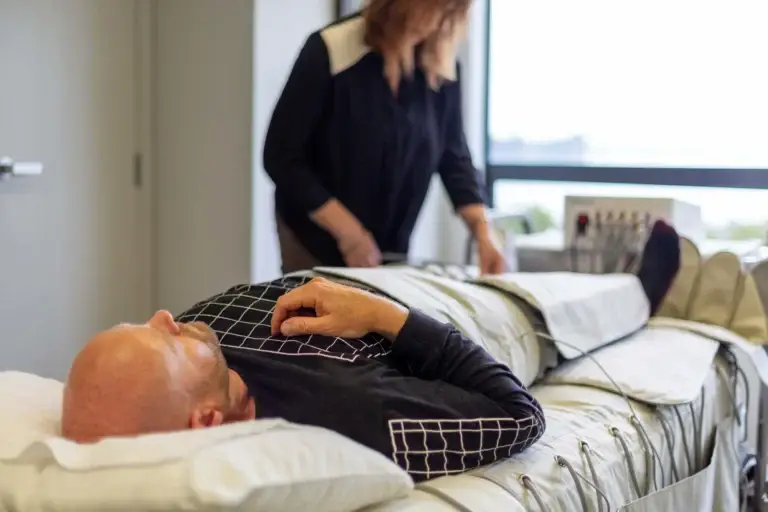
A typical lymphatic drainage suit session involves lying down while the compression suit inflates progressively from the lower body upward. The sensation is rhythmic and wave-like, firm but not uncomfortable. Most people settle into the session within the first few minutes and find the experience deeply relaxing rather than intense.
With systems like Flowpresso®, the added thermotherapy and deep pressure components mean the session involves consistent warmth alongside the compression. Sessions typically last 40 minutes and are conducted in a supervised clinical or professional wellness environment. A licensed practitioner will adjust settings based on individual wellness goals and health background before beginning.
Common Wellness and Recovery Applications
Lymphatic drainage suits are used across a range of clinical and wellness settings, each with different recovery and well-being goals in mind.
Post-workout recovery is one of the most common applications. Active individuals use compression therapy suit sessions to support the body after physical exertion, helping encourage fluid movement and reduce the sense of heaviness that builds up after training. People who spend long hours on their feet, travel frequently, or have physically demanding daily routines also find regular sessions a practical part of their wellness routine.
In clinical environments, practitioners including chiropractors, physical therapists, and naturopathic doctors incorporate lymphatic drainage suit sessions as one component of broader wellness protocols, used alongside other modalities rather than as a standalone solution to enhance their patient outcomes.
Why People Choose Lymphatic Drainage Suit?
The appeal of a lymphatic drainage suit comes down to what the experience actually feels like. There is something distinctly calming about lying still while rhythmic compression moves through your body from the feet upward. Add consistent warmth and sustained deep pressure, and the session becomes something most people describe as one of the most genuinely restorative parts of their week.
The non-invasive nature matters too. There is no preparation, no recovery time after the session, and no discomfort beyond gentle pressure. For people who want structured, passive recovery support without the commitment of an active therapy, a full-body pneumatic compression system fits naturally into a weekly wellness routine. Knowing the session is supervised by a licensed practitioner using a calibrated clinical system also gives people a practical level of confidence that a consumer device at home simply cannot replicate.
FAQ's
1. What does a lymphatic drainage suit feel like during a session?
Most people describe it as a firm, rhythmic wave of pressure that moves progressively from the feet and legs upward through the body. It is noticeable but not painful. With systems like Flowpresso®, the added warmth from thermotherapy and the deep pressure stimulation create a fuller, more calming experience that many people find deeply restorative.
2. How long does a typical lymphatic drainage suit session last?
A standard session typically lasts between 30 and 60 minutes. Session length depends on the system being used and the individual’s wellness goals, and is determined by a licensed healthcare practitioner before the session begins. Flowpresso® recommends a 40-minute treatment.
3. How does pneumatic compression move through the suit?
The lymphatic compression suit contains multiple air chambers positioned across the legs, torso, and arms. These chambers inflate and deflate in a specific sequential order, creating a wave-like motion that moves from the extremities toward the core. This directional pressure pattern is designed to support the natural movement of lymph fluid through the body.
4. Can lymphatic drainage suits be used after workouts?
Lymphatic drainage suit sessions are commonly incorporated into post-workout wellness routines by active individuals and athletes. The sequential compression supports fluid movement and circulatory comfort after physical exertion.
5. What is the difference between a lymphatic drainage suit and compression boots?
Compression boots are single-limb devices that target the legs only. A full body lymphatic drainage suit covers the legs, torso, and arms simultaneously, supporting the entire circulatory and lymphatic network in one session. Professional systems like Flowpresso® also integrate thermotherapy and deep pressure stimulation, which compression boots do not offer.
6. Why do some lymphatic drainage suit systems include heat therapy?
Heat therapy is integrated into advanced clinical systems like Flowpresso® as an additional session element. The gentle warmth contributes to a sense of physical ease and comfort during the session, working alongside the pneumatic compression rather than in isolation.