


Role of Lymph Nodes in the Immune System
In the vast orchestra of our body’s systems, the lymph nodes might be considered the unsung heroes, playing a crucial yet often overlooked role. These small, bean-shaped structures are vital components of our lymphatic system, and understanding what lymph nodes are and their function can give us a deeper appreciation of the body’s intricate defense mechanisms. Let’s delve into the world of lymph nodes and discover their significance.
What are Lymph Nodes?
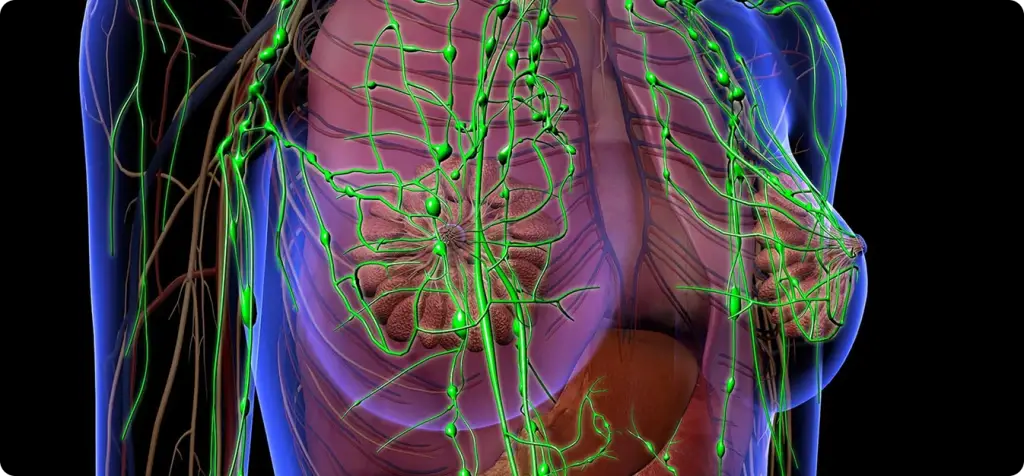
Lymph nodes are small, kidney or bean-shaped structures scattered throughout our body. There can be between 600-1000. They are primarily found in clusters in areas like the neck, armpits, groin, chest, and abdomen — these common lymph node locations help the body monitor infections effectively. If you’ve ever felt swollen “glands” in your neck during a bout of the flu, those are your lymph nodes at work!
The Inner Workings of a Lymph Node
Inside a lymph node, there’s a hive of activity. They are packed with:
-
Lymphocytes: A type of white blood cell that fights infections. There are two main types – B cells (which produce antibodies) and T cells (which destroy compromised cells in the body). These cells are central to the lymph nodes immune response.
-
Macrophages: Cells that devour harmful substances, including bacteria and dead or diseased tissue.
Lymphatic Nodes Location:
Lymph nodes are strategically positioned throughout the body to monitor and defend against infections effectively. They are most commonly found in clusters at key areas, each serving a specific role in filtering lymph fluid and supporting immune function.
Neck (Cervical Lymph Nodes): Located along the sides and back of the neck, these nodes help detect and fight infections in the head, throat, and neck region.
Armpits (Axillary Lymph Nodes): These nodes filter lymph from the arms, chest, and upper torso.
Groin (Inguinal Lymph Nodes): Found in the inner thigh area, these nodes manage lymph from the lower limbs and external genitalia. Regular movement and support with Flowpresso can enhance drainage and reduce fluid retention.
Chest (Mediastinal Lymph Nodes): Situated around the lungs and heart, they help filter lymph from the thoracic region.
Abdomen (Mesenteric Lymph Nodes): These nodes process lymph from the digestive organs and play a role in nutrient absorption.
The Primary Functions of Lymph Nodes
Filtration Powerhouses:
- Lymph nodes are not just passive filters; they are active centres of immune response. They house two types of lymphocytes: B cells and T cells.
- B cells produce antibodies. When these cells encounter pathogens or foreign substances, they produce specific antibodies that can neutralize the threat.
- T cells, on the other hand, can directly attack infected or cancerous cells in the body. They also play a role in regulating the overall immune response, strengthening the lymph nodes immune response.
- When the body faces an infection, lymph nodes become hubs of activity, producing and dispatching these cells to combat the threat.
Surveillance Stations:
- Lymph nodes continuously monitor the body for signs of infections, cancers, or other abnormalities. They are the first line of defense, often swelling in response to infections as they ramp up their activity to counter the threat.
- This swelling, or lymphadenopathy, is a sign that the body is actively fighting off an invader. Learning how to unclog your lymphatic system can support overall lymph node health. While swollen lymph nodes can be a symptom of various conditions, they often return to their normal size once the threat is neutralized.
Lymph Production and Maturation:
-
Lymph nodes play a role in producing and maturing a particular type of white blood cell. Some lymphocytes mature within the nodes, readying themselves to combat specific pathogens based on the information they receive.
Why are Lymph Nodes Crucial for Our Health?
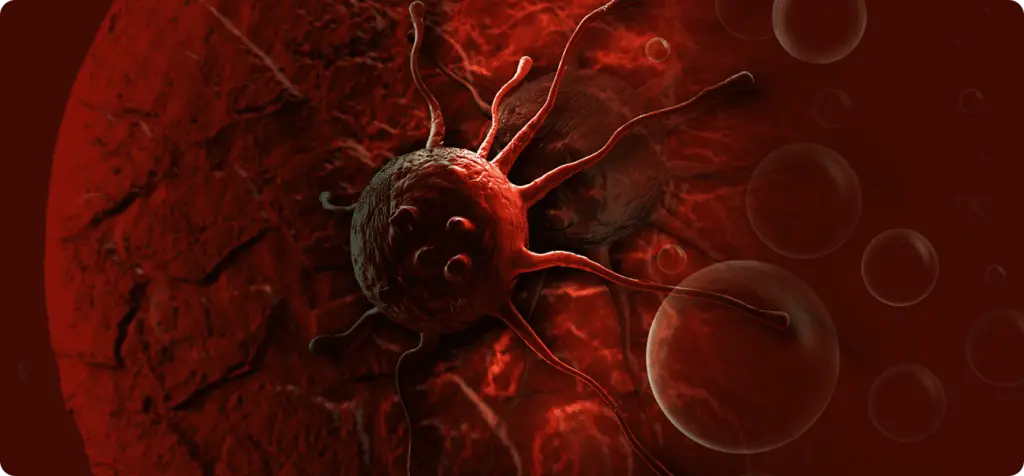
Defense Mechanism: They are the first line of defense against infections, trapping and destroying harmful pathogens — which is exactly why lymph nodes are important for overall health.
Disease Detection: Swollen or painful lymph nodes can be an early sign of diseases, including certain types of cancer. They act as an alarm system, indicating that something might be amiss in the body.
Fluid Balance: By filtering the lymph, they play a role in maintaining the body’s internal fluid balance, which can also be supported with tools like Flow Orb that encourage lymphatic drainage and tissue fluid movement.
Caring for Your Lymphatic Health

Given the importance of lymph nodes and their widespread lymph node locations, it’s essential to support their function. Here are some tips:
- Stay Active: Regular exercise promotes lymphatic flow, and a system like Flowpresso can complement movement by enhancing lymphatic circulation.
- Hydrate: Drinking enough water supports all bodily functions, including the lymphatic system.
- Eat a Balanced Diet: Nutrient-rich foods support immune function and overall health.
- Avoid Tight Clothing: Tight clothes can restrict lymph flow, so opt for comfortable, loose-fitting attire.
- Lymphatic Massage: This specialized massage technique can stimulate the flow of lymph, aiding in detoxification and promoting relaxation. Tools like Flow Vibrate can help enhance lymphatic stimulation naturally.
In Conclusion
Lymph nodes, though small in size, play a monumental role in our body’s defense mechanisms. From understanding what are lymph nodes to learning what do lymph nodes do in the body, we can better appreciate why lymph nodes are important. They are the vigilant sentinels, always on the lookout for harmful invaders, ensuring we remain in optimal health. By understanding their function and significance, we can better appreciate the body’s intricate design and the silent work these nodes do every day to keep us safe.