

Quick Summary:
“Poor lymphatic drainage occurs when lymph fluid is not moving efficiently through the lymphatic system, potentially contributing to swelling, puffiness, heaviness, fluid retention, and fatigue. Common contributing factors include inactivity, dehydration, surgery, injury, stress, and prolonged sitting. Supporting lymphatic flow often involves regular movement, hydration, deep breathing, recovery practices, and practitioner-led therapies. Compression-based technologies, including systems such as Flowpresso®, may also be incorporated into broader wellness and recovery protocols designed to support circulation and lymphatic function.”
Understanding the Signs of Poor Lymphatic Flow
The lymphatic system works quietly in the background every day, helping the body manage fluid balance, remove waste, and support immune function. Most people rarely think about it until signs of poor lymphatic drainage begin to appear.
When lymphatic flow slows down, the body may struggle to efficiently move excess fluid and waste products. This can contribute to swelling, heaviness, fatigue, and feelings of sluggishness.
Imagine a city’s waste collection system stopping for a few days. Rubbish would gradually pile up, roads would become congested, and the environment would feel less efficient overall. The lymphatic system works in a similar way inside the body.
This article explores common signs of poor lymphatic drainage, what may contribute to it, and ways to support healthier lymphatic flow.
What Is Poor Lymphatic Drainage and Why Does It Happen?
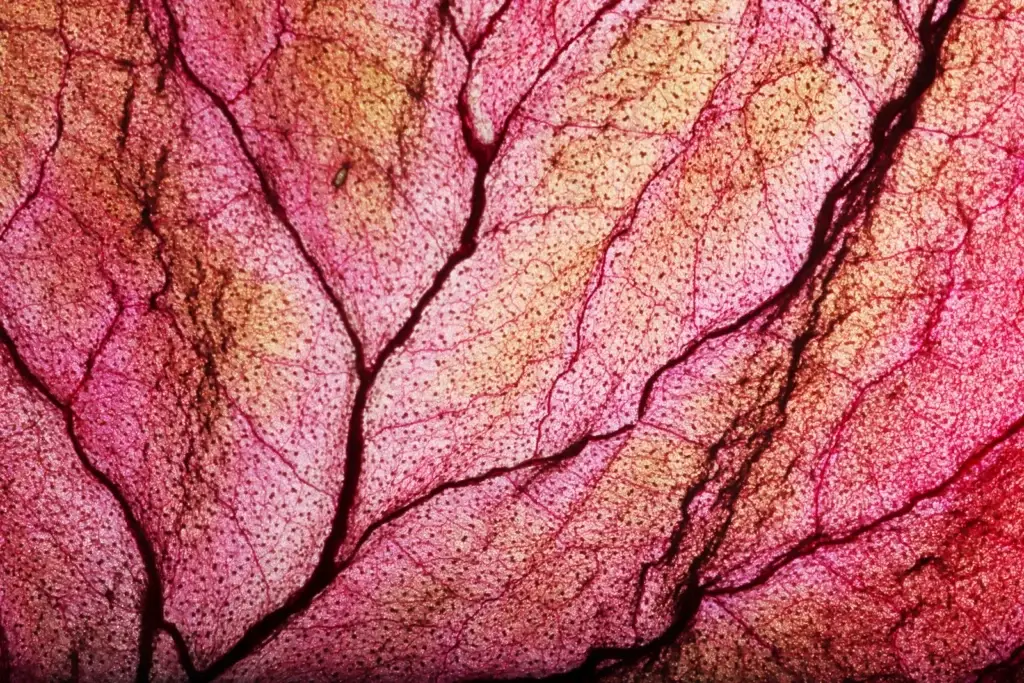
Poor lymphatic drainage occurs when lymph fluid is not moving efficiently through the lymphatic vessels and nodes.
The lymphatic system helps transport excess fluid, proteins, and waste products away from tissues. When flow slows down, fluid may begin collecting in certain areas of the body.
Unlike blood circulation, which is powered by the heart, the lymphatic system relies heavily on movement, breathing, and muscle activity to function effectively.
Common Signs of Poor Lymphatic Drainage
Swelling or Puffiness
One of the most common signs is swelling in areas such as the legs, ankles, arms, abdomen, or face.
This swelling may fluctuate throughout the day or become more noticeable after long periods of sitting or standing.
Feeling Heavy or Sluggish
Many people describe a sensation of heaviness in the body or limbs. The body can feel “stagnant,” similar to carrying around extra fluid weight.
Tightness in Clothing or Jewelery
Rings, shoes, socks, or clothing may suddenly feel tighter due to fluid retention.
Some people notice sock marks or indentations remaining on the skin.
Fatigue
Poor lymphatic movement may contribute to feelings of tiredness or reduced energy. When the body’s waste removal systems are under strain, people can sometimes feel generally run down.
Stiffness or Reduced Flexibility
Fluid build-up around joints and tissues may create feelings of stiffness or restricted movement.
Frequent Fluid Retention
Some people notice recurring bloating or puffiness, particularly during travel, hot weather, hormonal changes, or inactivity.

Why Lymphatic Drainage Can Slow Down
Several factors may contribute to sluggish lymphatic flow:
- Sedentary lifestyles
- Lack of movement
- Recovery after surgery
- Injury or inflammation
- Stress and fatigue
- Dehydration
- Poor circulation
- Excessive sitting
- Chronic health conditions
Modern lifestyles often involve long hours sitting at desks, driving, or travelling, which can reduce the natural muscle movement needed to support lymph flow.
How to Support Healthy Lymphatic Drainage
Move Regularly
Walking and gentle exercise help muscles push lymph fluid through the body. Even standing up and stretching regularly can support circulation.
Prioritise Hydration
Adequate water intake helps maintain healthy fluid balance and supports the body’s natural waste removal systems.
Practice Deep Breathing
Deep breathing creates pressure changes that help encourage lymphatic movement.
Support Recovery
Rest, sleep, and recovery all play important roles in circulation and lymphatic health.
Consider Professional Support
Some individuals benefit from therapies designed to encourage circulation and lymphatic movement, particularly during recovery or rehabilitation.
Clinical Support Options for Poor Lymphatic Drainage
Compression-based therapies are commonly used in recovery, rehabilitation, and wellness settings to support circulation and fluid movement throughout the body.
These therapies typically apply controlled pressure to encourage fluid movement through the lymphatic and circulatory systems and are often incorporated alongside movement, hydration, and recovery-focused protocols.
Understanding Different Approaches to Lymphatic Support
Compression technologies vary in how they are delivered. Traditional intermittent pneumatic compression systems typically use sequential pressure chambers to encourage fluid movement through the limbs.
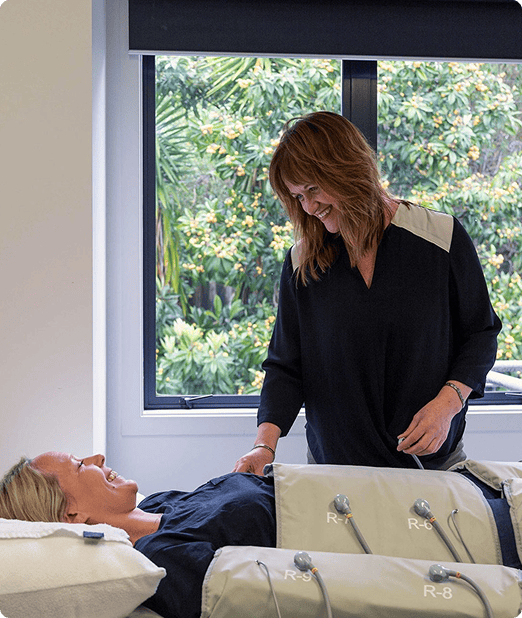
Flowpresso® takes a broader approach by combining dynamic compression, thermotherapy support, and deep relaxation within a single practitioner-delivered session.
This integrated approach is designed to support circulation, lymphatic flow, and nervous system regulation simultaneously.
How Flowpresso® Supports Wellness and Recovery
Flowpresso® is an FDA-cleared Class II medical device designed for use under the supervision of a licensed healthcare practitioner.
It is used in professional clinical and wellness settings by practitioners including chiropractors, physical therapists, naturopathic doctors, physicians, and other healthcare professionals as one component of a broader wellness or recovery protocol.
Rather than functioning as a standalone treatment, Flowpresso® is typically incorporated alongside other practitioner-guided strategies that support circulation, relaxation, recovery, and lymphatic function. Individual experiences may vary depending on personal health circumstances and treatment goals.

When to Seek Professional Advice
Seek professional advice if symptoms:
- Persist over time
- Continue worsening
- Cause pain or discomfort
- Appear suddenly
- Develop after surgery or medical treatment
- Affect mobility or daily activities
Professional assessment can help identify whether swelling or fluid retention is linked to lymphatic, vascular, or other health conditions.
Why People Pay Attention to Signs of Poor Lymphatic Drainage
Many of the signs associated with poor lymphatic drainage develop gradually. Swelling, heaviness, fluid retention, and fatigue may initially seem like minor inconveniences, but over time they can begin affecting comfort, mobility, and overall wellbeing.
People often become more aware of their lymphatic health when they notice recurring puffiness after travel, prolonged sitting, recovery from injury, or periods of reduced activity. Understanding these signs can help individuals take proactive steps to support healthy circulation and fluid movement before symptoms become more disruptive.
For many people, simple lifestyle habits combined with appropriate professional support can play an important role in maintaining comfort and supporting overall wellbeing.
Conclusion
Poor lymphatic drainage can affect how the body feels, moves, and recovers. Common signs such as swelling, heaviness, puffiness, and fatigue may indicate the lymphatic system needs additional support.
Simple habits like movement, hydration, breathing, and recovery can help encourage healthier fluid movement throughout the body.
Just like a city runs more efficiently when traffic and waste systems keep moving, the body also functions better when lymphatic flow is supported.
FAQ's
1. What Are the Most Common Signs of Poor Lymphatic Drainage?
Common signs include swelling or puffiness in the legs, arms, abdomen, or face, feelings of heaviness, fluid retention, fatigue, stiffness, and clothing or jewellery feeling tighter than usual. Some people also notice recurring bloating or skin indentations after pressure.
2. What Causes Poor Lymphatic Drainage?
A range of factors can contribute to sluggish lymphatic flow, including prolonged sitting, reduced physical activity, surgery, injury, inflammation, dehydration, stress, fatigue, and certain chronic health conditions. Because the lymphatic system relies on movement to function effectively, inactivity is one of the most common contributors.
3. How Can You Improve Lymphatic Drainage Naturally?
Supporting lymphatic function often involves regular movement, adequate hydration, deep breathing exercises, sufficient recovery, and healthy lifestyle habits that encourage circulation and fluid movement throughout the body.
4. Can Poor Lymphatic Drainage Cause Swelling?
Yes. Swelling is one of the most commonly recognised signs of sluggish lymphatic flow. When lymph fluid is not moving efficiently through the lymphatic system, it can accumulate in the tissues and contribute to puffiness, heaviness, and fluid retention.
5. Can Compression Therapy Support Lymphatic Function?
Compression-based therapies are commonly used in rehabilitation, recovery, and wellness settings to support circulation and fluid movement. Some practitioners incorporate technologies such as pneumatic compression systems and Flowpresso® into broader lymphatic support protocols.
6. When Should You Seek Professional Advice for Lymphatic Swelling?
Professional advice should be sought if swelling or fluid retention persists, worsens, develops suddenly, becomes painful, occurs following surgery or medical treatment, or begins affecting daily movement and comfort. A healthcare professional can help determine the underlying cause and recommend appropriate support options.