

Home / RESEARCH / Obesity-Induced Lymphedema: The Vicious Cycle Between Weight Gain and Lymphatic Dysfunction

Obesity-Induced Lymphedema: The Vicious Cycle Between Weight Gain and Lymphatic Dysfunction

Why severe obesity can impair lymphatic function — and what practitioners need to understand about this complex relationsh

The lymphatic system plays a critical role in maintaining fluid balance, transporting larger molecules, and supporting immune function. But what happens when the system responsible for clearing excess fluid can no longer keep up with the body’s needs?

Research into obesity-induced lymphedema (OIL) highlights an important relationship between severe obesity and lymphatic dysfunction. Excess adipose tissue can impair the structure and function of lymphatic vessels. In turn, compromised lymphatic function may contribute to further tissue changes, including fluid accumulation, fibrosis, and additional fat deposition.

For practitioners, understanding this relationship provides important context when working with patients experiencing severe obesity, persistent swelling, and impaired lymphatic function.
Bring Lymphatic Care to Your Clinic

*For licensed practitioner and clinic owner inquiries only

At a glance

Research focus: Obesity-induced lymphedema and the effects of severe obesity on lymphatic structure and function.

Key finding: Severe obesity can negatively affect lymphatic vessel density, endothelial cell proliferation, vessel permeability, pumping capacity, and the clearance of macromolecules.

Clinical significance: Obesity and lymphatic dysfunction can reinforce one another, creating a cycle of lymphatic injury and worsening tissue changes. The review identifies weight loss as the fundamental treatment for OIL.

Article: Published in Cold Spring Harbor Perspectives in Medicine in 2022.

What is obesity-induced lymphedema?

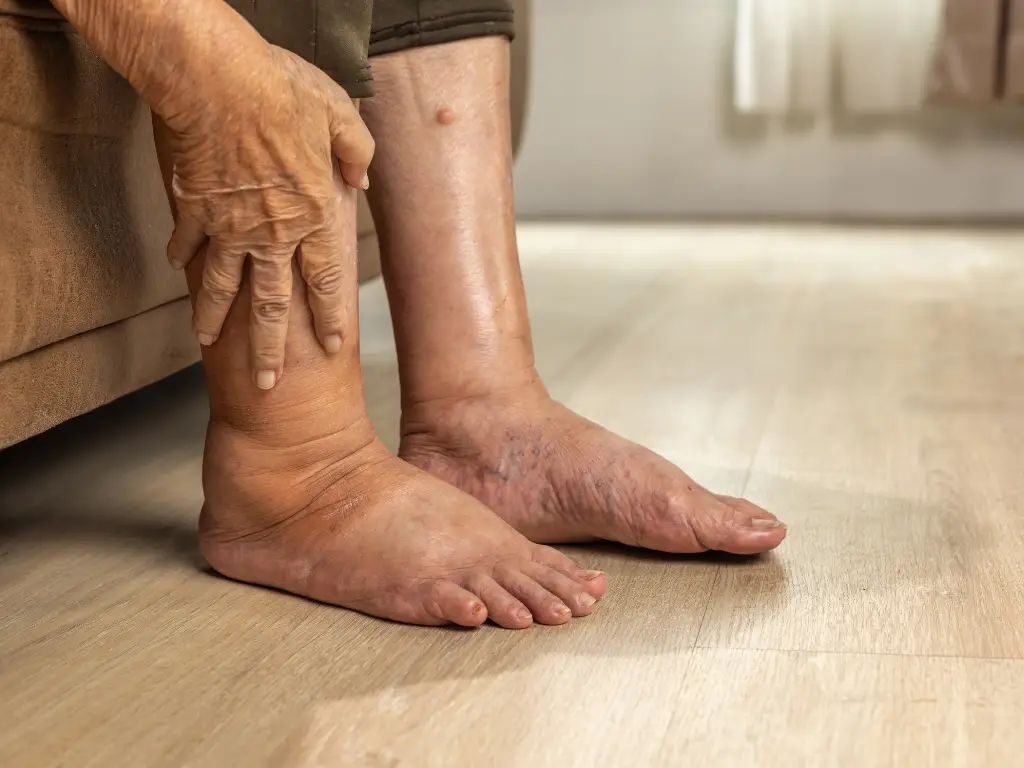
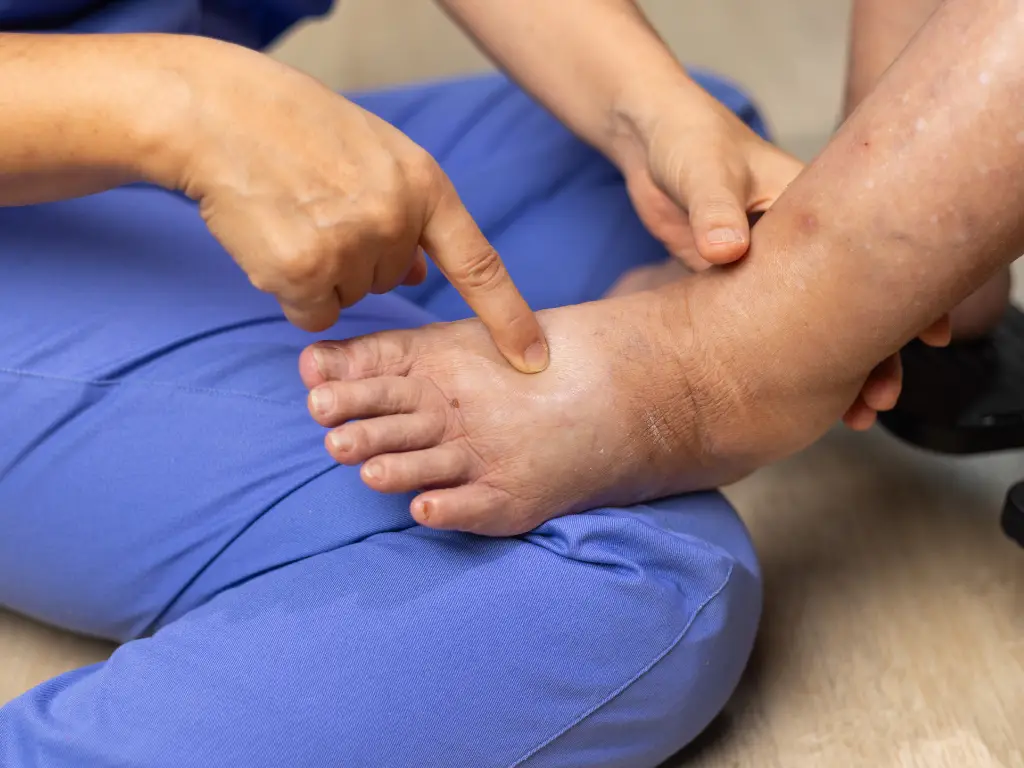
Lymphedema develops when the lymphatic system cannot adequately transport lymphatic fluid away from tissues. The resulting accumulation of fluid can contribute to swelling and, over time, changes in the surrounding tissue.

Obesity-induced lymphedema is a form of secondary lymphedema associated with extreme obesity. It frequently affects the lower extremities.

The review describes a relationship between body mass index (BMI) and the likelihood of lymphatic dysfunction:

  • BMI above 40: Obesity-induced lymphedema may develop.
  • BMI above 60: The risk of lymphatic dysfunction becomes extremely high and is described as almost universal.

These thresholds describe the risk patterns discussed in the review. They should not be used as stand-alone diagnostic criteria: an individual’s clinical presentation and lymphatic function require appropriate assessment.

How obesity affects the lymphatic system

The lymphatic system is a network of vessels that collects excess fluid from tissues and transports it back toward the circulation. It also helps clear larger molecules and supports immune surveillance. The review describes several ways severe obesity can interfere with this process:

1. Reduced lymphatic vessel density
Obesity can negatively affect lymphatic density in subcutaneous tissue, the layer of tissue beneath the skin.
A compromised lymphatic network may have less capacity to collect and transport fluid effectively. This can contribute to the development or progression of swelling.

2. Impaired lymphatic endothelial cell proliferation
Lymphatic endothelial cells form the lining of lymphatic vessels. Their growth and maintenance are important for preserving the lymphatic network.
The review identifies reduced lymphatic endothelial cell proliferation as one of the changes associated with obesity. This may compromise the system’s ability to maintain or repair its vessels.

3. Increased lymphatic leakiness
Lymphatic vessels must maintain effective fluid transport. Obesity can increase lymphatic leakiness, potentially allowing fluid to escape from vessels into surrounding tissues.
When this occurs alongside impaired transport, maintaining normal fluid balance can become more difficult.

4. Reduced collecting-vessel pumping capacity
Collecting lymphatic vessels actively help propel lymph through the lymphatic network.
The review identifies impaired pumping capacity as another consequence of obesity. When this transport mechanism is compromised, lymphatic fluid may not move as effectively through the system.

5. Reduced clearance of macromolecules
Lymphatic vessels also help clear macromolecules from tissues. These larger molecules are important to fluid balance and the maintenance of the tissue environment.
The review describes impaired macromolecule clearance in obesity, highlighting that lymphatic dysfunction involves more than visible swelling alone.

Together, these changes can undermine the lymphatic system’s ability to maintain normal tissue fluid balance and function.

The vicious cycle: Obesity and lymphatic dysfunction

One of the most important concepts in obesity-induced lymphedema is the potential for a self-reinforcing cycle.

When lymphatic vessels cannot adequately take up and transport fluid, fluid accumulates in the surrounding tissue. The review describes an association between impaired lymphatic function, increased subcutaneous adipose deposition, and fibrosis.

Fibrosis involves the accumulation of fibrous connective tissue. In chronic lymphatic disease, these tissue changes can make the affected area more difficult to manage.

As lymphatic dysfunction and tissue changes progress, the condition can become increasingly complex.

The cycle can be summarized as follows:

  1. Severe obesity impairs lymphatic function. Changes occur in vessel density, permeability, pumping capacity, and clearance.
  2. Fluid transport becomes less effective. Lymphatic vessels struggle to manage the fluid and molecules that need to be cleared from tissues.
  3. Tissue changes develop. Fluid accumulation, adipose deposition, and fibrosis contribute to the affected tissue environment.
  4. Lymphatic injury may worsen. These changes can further compromise lymphatic function.
  5. The cycle becomes harder to break. Ongoing obesity and lymphatic dysfunction can reinforce one another.

This relationship helps explain why obesity-induced lymphedema should not be understood simply as excess weight causing swelling. It is a complex condition involving changes in both lymphatic function and the surrounding tissue.

Why weight loss is central to treatment

The review identifies weight loss as the fundamental treatment for obesity-induced lymphedema (OIL). This is an important distinction: while therapies may help manage symptoms in selected patients, they do not necessarily address the underlying factor contributing to OIL.

Addressing obesity is therefore central to managing the condition. The appropriate approach will depend on the patient’s health, mobility, medical history, and individual circumstances, and may require coordinated care across multiple clinical disciplines.


Weight management should be approached with appropriate clinical support rather than as a simple instruction to lose weight. Patients with severe obesity and established lymphedema may have complex needs that require individualized assessment and treatment.

What does this mean for practitioners?

For practitioners working with patients who experience swelling, fluid retention, or reduced mobility, this research reinforces the importance of understanding the underlying cause of lymphatic dysfunction.

Several clinical considerations follow from the review:

  • Recognize risk. Severe obesity is an important risk factor for lymphatic dysfunction, particularly in the lower extremities.
  • Look beyond swelling. Lymphatic impairment can involve changes in vessel structure, pumping capacity, and macromolecule clearance.
  • Understand the relationship between adipose tissue and lymphatic function. These processes can influence one another, contributing to a more complex clinical picture.
  • Support appropriate assessment and management. Persistent swelling warrants evaluation by an appropriately qualified healthcare professional.
  • Consider the broader treatment plan. Weight management is fundamental to OIL, while any additional interventions should be selected according to the patient’s clinical needs and the available evidence.

The bigger picture

Obesity-induced lymphedema illustrates how interconnected lymphatic function, fluid balance, and tissue health can be.

When lymphatic transport is compromised, the consequences may extend beyond swelling. Changes in adipose tissue and fibrosis can contribute to a progressively more complex condition, while severe obesity may continue to place stress on the lymphatic system.

For practitioners, understanding this relationship supports a more informed approach to patient assessment and reinforces the importance of addressing underlying contributors to lymphatic dysfunction.

Key takeaway

Obesity-induced lymphedema is a complex condition in which severe obesity can impair lymphatic function, while lymphatic dysfunction may contribute to further tissue changes and worsening disease.

The review identifies weight loss as the fundamental treatment for OIL. Understanding the relationship between obesity and lymphatic dysfunction can help practitioners recognize the condition, support appropriate clinical care, and evaluate adjunctive therapies within the limits of the evidence.

Reference

Obesity-induced lymphedema. Cold Spring Harbor Perspectives in Medicine. 2022;12(5).

Bring Full-Body Lymphatic Therapy to Your Clinic

Flowpresso is a multi-modality system combining:

Perfect for detox programs, recovery protocols, sleep optimization, and emotional wellness.

Select your currency