

While the lymphatic system might not have a central pump like the heart, it has unique mechanisms to ensure continuous lymphatic flow. Our daily movements, breathing patterns, lymphatic valves, and the very structure of lymphatic vessels all contribute to effective lymphatic circulation. By understanding these dynamics, we can better appreciate the importance of staying active and adopting practices that improve lymphatic circulation and support overall lymphatic system health, ensuring the body remains in optimal balance.
Lymphatic Flow and the Forces Behind It
The lymphatic system, often described as the body’s “drainage system,” is a silent yet essential player in our overall lymphatic system health. While it’s common knowledge that the heart pumps blood throughout our circulatory system, the driving force behind lymphatic flow and proper lymphatic circulation remains a mystery to many. Does the lymph move only when we move? Let’s delve into the intricacies of what ensures circulation in the lymphatic system while understanding lymphatic vessel structure and how it supports lymph movement.
What Ensures Lymphatic Circulation?
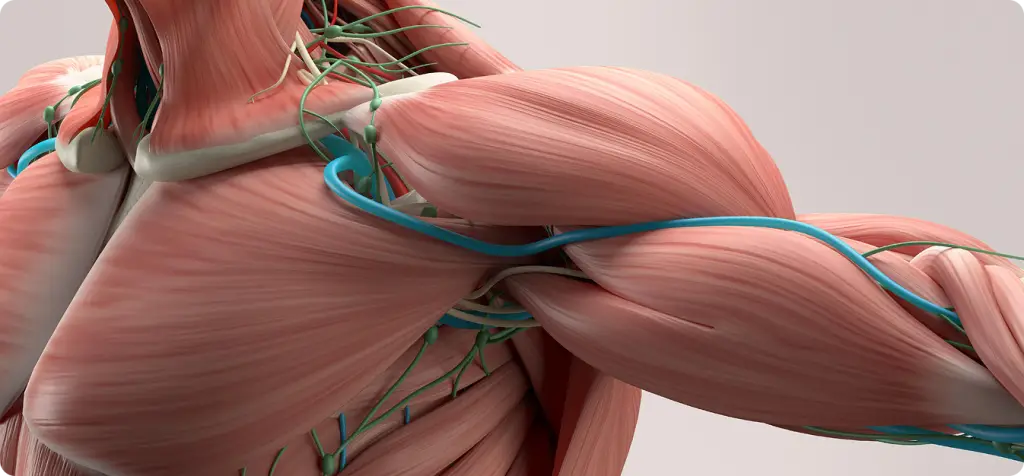
- Muscular Movement: Unlike the circulatory system, which has the heart as its pump, the lymphatic system lacks a central pumping organ. Instead, it heavily relies on our bodily movements. As we move, our muscles contract and relax, squeezing the lymphatic vessels and pushing the lymph fluid through them. This is why regular physical activity is crucial to improve lymphatic circulation and maintain steady lymphatic flow.
- Respiratory Movement: Breathing also aids in lymphatic circulation. As we inhale and exhale, pressure changes occur in the thoracic cavity, facilitating the movement of lymph, especially from the lower parts of the body. Deep breathing techniques can further support healthy lymphatic flow.
- Valves and Smooth Muscles: The lymphatic vessels are equipped with one-way lymphatic valves that prevent the backward flow of lymph. These lymphatic valves are strategically positioned within the vessels, including lymphangions, ensuring fluid moves only toward larger lymphatic vessels and eventually back into the bloodstream.
- Additionally, larger lymphatic vessels have smooth muscle layers in their walls, called lymphangions, which contract rhythmically, propelling the lymph forward. A lymphangion functions much like a tiny pump. When smooth muscle cells in the walls of the lymphangion contract, they compress the vessel and push the lymphatic fluid forward. This contraction is initiated by the presence of lymph fluid and mechanical stretch on the walls.
- The contraction and relaxation of the smooth muscle cells, along with the presence of lymphatic valves, create a peristaltic, wave-like movement. This rhythmic action ensures continuous lymphatic circulation in a coordinated manner. These contractions are also influenced by the nervous system, particularly how the autonomic nervous system affects lymph movement.
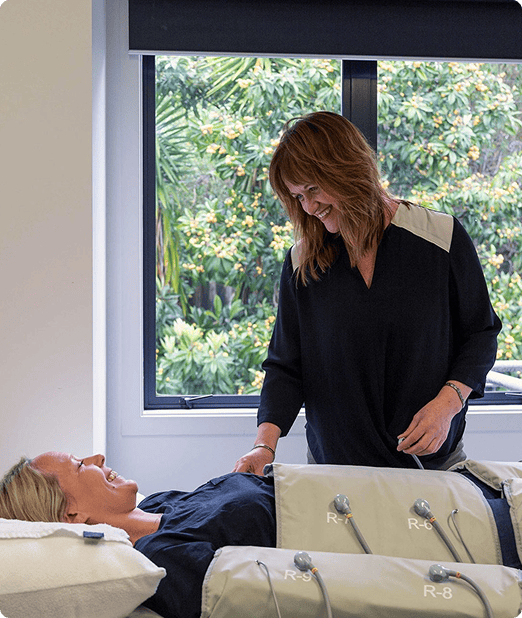
- External Compression: Actions like massage or the use of compression garments can stimulate lymphatic flow by exerting pressure on the lymphatic vessels, pushing the lymph fluid along its path and helping improve lymphatic circulation. Many people also explore compression therapy to enhance lymphatic circulation as a supportive method for promoting healthy lymph movement.
The Importance of Lymphatic Movement
Ensuring smooth lymphatic flow is crucial for several reasons related to overall lymphatic system health:
- Detoxification and Waste Removal: The lymphatic system plays a significant role in lymphatic system detox, removing metabolic waste, toxins, and cellular debris from the body’s tissues. Proper lymphatic circulation helps transport these waste products to lymph nodes, where they are filtered and processed before elimination. If lymphatic flow is compromised, waste accumulation can hinder cellular function and contribute to inflammation and other health issues.
- Immune System Support: Lymphatic movement is essential for lymphatic system immunity. Lymph nodes, which are key components of the lymphatic system, house immune cells that help identify and fight infections, viruses, bacteria, and other pathogens. Efficient lymphatic circulation ensures immune cells are transported where they are needed, promoting a strong immune response.
- Fluid Balance: The fluid balance lymphatic system function is one of its primary roles. The lymphatic system helps maintain proper fluid balance in the body’s tissues. When lymphatic flow is impaired, excess fluid can accumulate, leading to swelling and discomfort. Supporting lymphatic circulation helps remove excess fluid and prevent conditions like edema and lymphedema.
- Nutrient Transport: Lymphatic vessels play a role in transporting important nutrients, particularly fats and fat-soluble vitamins, from the digestive system to the bloodstream. Proper lymphatic flow ensures these nutrients are effectively distributed to cells and tissues.
- Tissue Healing and Repair: Lymphatic movement is essential for tissue healing and repair. During recovery, lymphatic vessels help remove cellular debris, dead cells, and excess fluids from injured or inflamed areas, supporting regeneration and optimal lymphatic system health. For those looking to support lymphatic health further, there are also practical ways to stimulate lymphatic flow through lifestyle habits and therapies.