

Quick Summary:
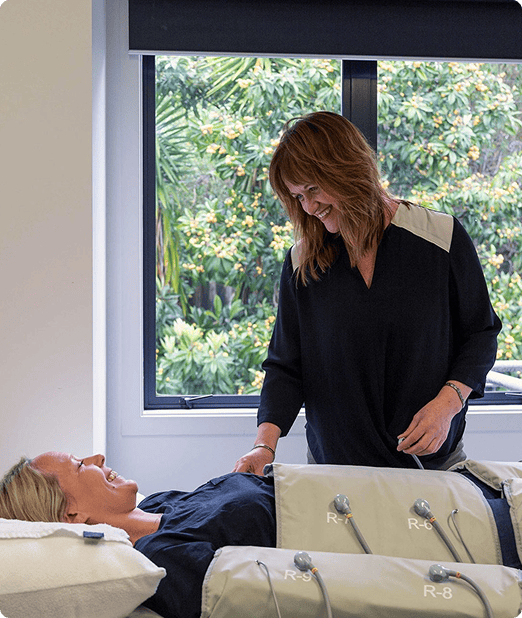
“Lymphatic drainage can be supported through two main approaches: manual lymphatic massage, which uses gentle hands-on techniques applied by a trained therapist, and pneumatic compression devices, which use controlled air pressure through a compression suit or garment to encourage fluid movement. Both approaches work with the lymphatic system in different ways. Professional clinical systems like Flowpresso® combine pneumatic compression, thermotherapy, and deep pressure stimulation into a single supervised session, offering a multi-layered experience distinct from either approach alone.“
People looking into lymphatic support often come across two very different options. One involves lying on a massage table while a trained therapist works through a series of gentle, rhythmic strokes. The other involves wearing a full-body compression suit while a clinical device does the work. Both have their place in professional wellness settings and understanding what each one involves helps people make a more informed choice for their own routine.
What Is Lymphatic Drainage?
Lymphatic drainage refers to any approach designed to support the movement of lymph fluid through the body’s lymphatic network. The lymphatic system does not have a central pump the way the cardiovascular system has the heart. It relies on muscle activity, breathing, and movement to keep fluid circulating through its vessels and nodes.
Reduced movement, physical exertion, long periods of inactivity, or general fatigue can all slow this process. Check out how to unclog your lymphatic system naturally.
Both manual lymphatic massage and pneumatic compression therapy are used in professional wellness and clinical settings to support the lymphatic system when it needs a helping hand.
What Does a Lymphatic Drainage Machine Do?
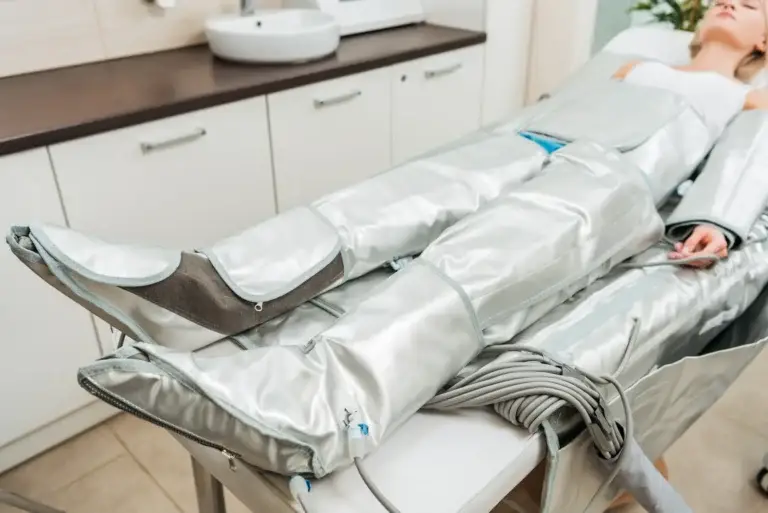
In the clinical context, a lymphatic drainage machine is a pneumatic compression device that uses controlled, sequential air pressure to promote fluid movement through the lymphatic system. The device inflates and deflates chambers in a garment in a specific pattern, typically moving from the extremities toward the core, mimicking the body’s natural lymphatic pumping action.
Advanced professional systems go further than basic compression. Flowpresso® is an FDA-cleared Class II medical device designed for use under the supervision of a licensed healthcare practitioner. Rather than functioning as a standalone compression machine, it operates via a full-body lymphatic drainage suit, which is explained in more detail in our guide on what a lymphatic drainage suit is and how it works, combining cyclic pneumatic compression with gentle thermotherapy and deep-pressure stimulation.
This makes it a multi-modal clinical system rather than a single-purpose compression device, and it is used by chiropractors, physical therapists, naturopathic doctors, and physicians as part of structured wellness protocols.
How Manual Lymphatic Massage Works
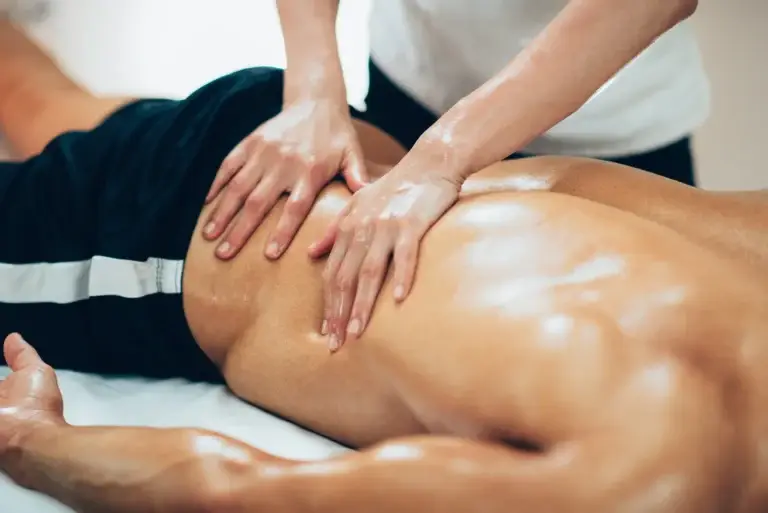
Manual lymphatic drainage massage is a hands-on technique performed by a trained therapist. Using light, rhythmic strokes applied in specific directions, the therapist works to encourage lymph fluid movement through the lymphatic vessels and toward the lymph nodes.
The technique requires significant skill and training. A qualified manual lymphatic drainage massage therapist will follow a specific sequence across the body, typically starting at the neck and working outward and downward. Sessions are gentle by design. The pressure used is considerably lighter than a standard therapeutic massage, which surprises many first-time recipients. Manual lymphatic drainage massage near a clinic or wellness centre is widely available and remains one of the most established hands-on approaches to lymphatic care.
Key Differences Between the Two Approaches
The most practical difference between a lymphatic drainage machine session and a manual lymphatic massage comes down to consistency, coverage, and the session experience itself.
- Manual massage relies entirely on the practitioner’s skill, energy, and technique on a given day. A highly experienced therapist delivers excellent results, but the session is inherently variable. Pneumatic compression therapy through a clinical device applies the same sequential pressure pattern every session, across the full body, with no variation in consistency. Manual massage relies entirely on the practitioner’s skill, energy, and technique on a given day. A highly experienced therapist delivers excellent results, but the session is inherently variable. Pneumatic compression therapy through a clinical device applies the same sequential pressure pattern every session, across the full body, with no variation in consistency.
- Coverage is another distinction. Manual lymphatic massage typically focuses on specific areas within a session. A full-body lymphatic compression suit like the one used with Flowpresso® covers the legs, torso, and arms simultaneously, supporting the entire lymphatic network within a single session rather than addressing one region at a time.
The sensory experience is also markedly different. Manual massage involves direct human contact, warmth from the therapist’s hands, and a more personal interaction. A pneumatic compression session involves the rhythmic sensation of air pressure moving through the garment, which many people describe as deeply grounding and calming in its own right, particularly when thermotherapy and deep pressure stimulation are also part of the session.
Feature | Manual Massage | Pneumatic Compression |
Coverage | Targeted areas | Full-body support |
Consistency | Therapist-dependent | Device-controlled |
Session Type | Hands-on | Passive |
Pressure Style | Manual techniques | Sequential compression |
Duration | 60–90 min | 30–60 min |
Experience | Personal interaction | Rhythmic compression session |
Best For | Focused treatment | Full-body recovery |
Comfort, Convenience, and Session Experience
Manual lymphatic massage requires a skilled therapist, a booking, and a hands-on session that depends entirely on practitioner availability. For people who value human touch and a more personal wellness interaction, this is often part of the appeal.
Pneumatic compression sessions through a professional clinical system offer a different kind of convenience. Once the garment is fitted and settings are adjusted by a licensed practitioner, the session is fully passive. There is nothing to do but lie still and let the compression work through the body. For people who find passive recovery appealing, particularly after physically demanding days or training sessions, this format fits naturally into a regular wellness routine.
Pressotherapy vs lymphatic massage is not really an either-or question for most people in clinical settings. Practitioners often incorporate both approaches into broader wellness protocols depending on individual goals and preferences.
When Each Option May Be Preferred
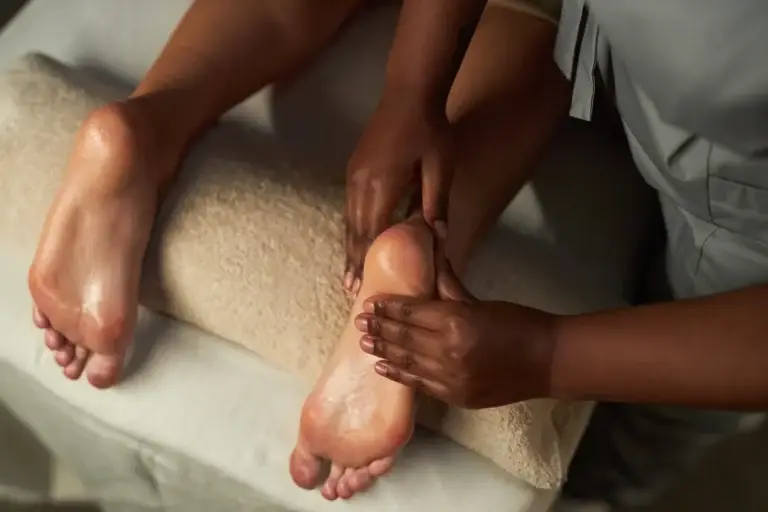
Manual lymphatic drainage massage tends to be preferred when a more targeted, hands-on approach is needed, when someone values direct practitioner interaction, or when specific areas of the body require focused attention from a skilled therapist.
Pneumatic compression sessions through a clinical system tend to be preferred when full-body coverage is the priority, when consistency across sessions matters, or when the added elements of thermotherapy and deep pressure stimulation are part of the wellness goal. Active individuals, people recovering from physically demanding routines, and those looking for a deeply relaxing passive session often gravitate toward professional compression systems as a regular part of their wellness week.
FAQ's
1. What does a lymphatic drainage machine session feel like compared to manual massage?
Manual lymphatic massage involves light, rhythmic hand strokes applied by a therapist. It is gentle and hands-on. A pneumatic compression session involves a full-body garment inflating and deflating in a wave-like pattern, which most people describe as a firm, rhythmic squeeze rather than a traditional massage sensation. Professional systems like Flowpresso® add thermotherapy and deep pressure stimulation, creating a fuller, more enveloping experience.
2. Are compression therapy sessions more consistent than manual lymphatic massage techniques?
Pneumatic compression therapy applies the same sequential pressure pattern every session through a calibrated clinical device, which makes it inherently consistent. Manual lymphatic massage varies based on the therapist’s technique, energy, and focus area on a given day. For people who prioritise session-to-session consistency, a professional compression system offers a more repeatable experience.
3. Why do some people prefer pneumatic compression over hands-on massage?
The main reasons tend to be full-body coverage, session consistency, and the passive nature of the experience. A professional lymphatic drainage suit session covers the entire body simultaneously and requires no active participation.
4. Can a pneumatic compression session support post-workout recovery?
Compression therapy sessions are widely used in athletic and recovery-focused wellness settings following physical exertion. The sequential compression encourages fluid movement and supports circulatory comfort after training. For structured post-workout recovery, a professional clinical system under practitioner supervision offers a more tailored session than consumer tools.
5. How long do sessions typically last for each option?
Manual lymphatic drainage massage sessions typically last between 60 and 90 minutes depending on the area being addressed. Pneumatic compression sessions with a professional clinical system typically last between 30 and 60 minutes. Session length for both is determined by the practitioner based on individual wellness goals.
6. What role does heat therapy play in some lymphatic drainage systems?
Heat therapy, or thermotherapy, is integrated into advanced clinical systems like Flowpresso® as an additional session element alongside pneumatic compression and deep pressure stimulation. The consistent gentle warmth contributes to a sense of physical ease and comfort during the session.
Both manual lymphatic massage and pneumatic compression therapy can play a role in structured wellness routines. The right option often depends on whether someone prioritizes hands-on targeted work, full-body passive recovery, or a combination of both under practitioner supervision.