

Quick Summary:
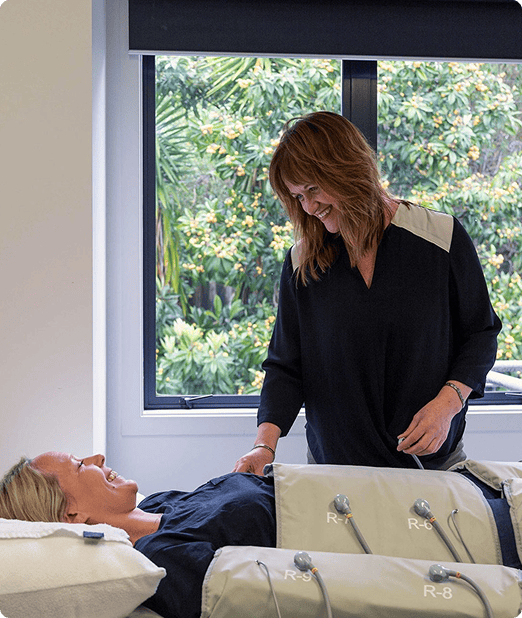
“Compression therapy applies controlled pressure through garments or pneumatic devices to support circulation, lymphatic drainage, and recovery. Professional devices like Flowpresso® combine cyclic pneumatic compression, thermotherapy, and deep pressure stimulation for a more comprehensive session experience under licensed practitioner supervision.“
Feeling heavy-legged after a long day on your feet, or sluggish and sore after a tough workout, that is your body signaling it needs some recovery support. Compression therapy has become a go-to in professional wellness and clinical settings for exactly this reason, and more people are building it into their regular routines. Here is a straightforward look at what it is, how it works, and why so many practitioners are incorporating it into recovery-focused care.
What Is Compression Therapy?
Compression therapy is a non-invasive approach that applies controlled, graduated pressure to the body, most commonly the legs, arms, or torso, using garments or pneumatic compression devices. The goal is to support fluid movement, encourage healthy circulation, and reduce the kind of sluggishness that builds after physical activity, long periods of inactivity, or general fatigue.
Devices range from basic compression garments to sophisticated clinical tools. Flowpresso® is an FDA-cleared Class II medical device designed for use under the supervision of a licensed healthcare practitioner. It combines cyclic pneumatic compression with gentle thermotherapy and deep pressure stimulation, three layers working together to support the body’s circulatory and lymphatic systems.
Types of Compression Therapy
Not all compression therapies are equal. They exist on a spectrum from simple everyday garments to advanced multi-modal clinical devices, each suited to different needs and settings.
Static Compression
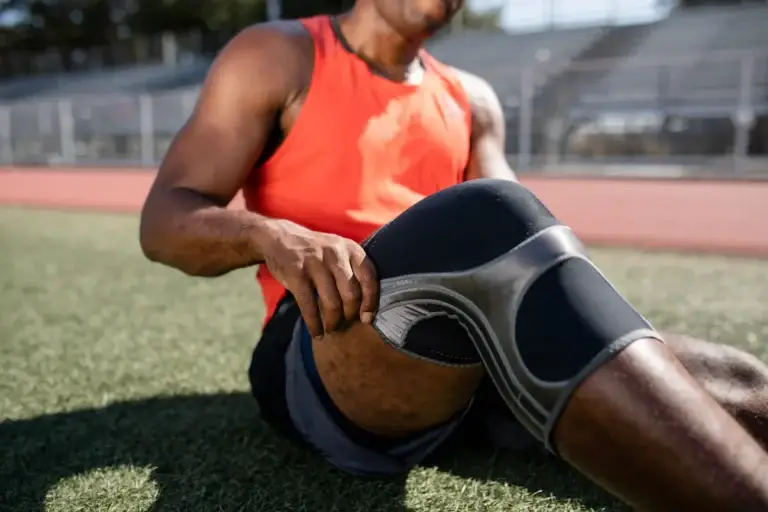
Static compression covers garments like compression stockings, sleeves, and wraps. These apply consistent, graduated pressure throughout the day. They work passively, relying on the body’s own movement to assist fluid flow, and are commonly used for general circulatory comfort or managing mild swelling during prolonged sitting or standing.
Dynamic Compression
Dynamic compression, specifically intermittent pneumatic compression, takes a more active approach. A pneumatic compression device inflates and deflates in a controlled, sequential pattern, moving fluid progressively from the extremities toward the core. This closely mirrors the body’s natural muscle pump mechanism and is far more effective at actively encouraging lymphatic drainage and venous return compared to static options.
Advanced professional devices like Flowpresso® build on dynamic compression by adding thermotherapy and deep pressure stimulation. This means a Flowpresso session engages the circulatory system, the lymphatic network, and the autonomic nervous system at the same time, which is what separates it from a standard intermittent pneumatic compression device in a clinical context.
How Does Compression Therapy Work?
The core mechanism behind compression therapy is sequential pressure application. A pneumatic compression device inflates its chambers in a specific order, typically starting at the feet or hands and working upward toward the torso. This directional movement assists venous return, pushing blood and lymphatic fluid toward the heart and encouraging the body’s natural drainage process.
Flowpresso® adds two more dimensions to this. The thermotherapy component delivers consistent gentle warmth across the body, contributing to a relaxing session experience. The deep pressure stimulation engages the autonomic nervous system, the system that governs how the body shifts between stress and recovery states. Together, these three elements create a session that addresses circulation and recovery at multiple levels rather than one at a time.
How Compression Therapy Supports Circulation and Recovery
Circulatory sluggishness is something most people experience but rarely connect to a specific cause. Long hours at a desk, standing on hard floors, or periods of physical inactivity all reduce the natural pumping action that keeps blood and lymph moving efficiently. Compression therapy addresses this directly by providing external mechanical support to the venous and lymphatic systems, recreating the pumping motion that muscles normally supply through movement.
Recovery works through the same mechanism. After a hard training session or a physically demanding day, the body needs to clear metabolic waste, reduce localised fluid buildup, and restore normal tissue tone. Pneumatic compression therapy encourages this by moving stagnant fluid out of the tissues and bringing fresh circulation back to the area, giving the body’s natural repair process a clearer path to work through.
Flowpresso® extends these dimensions further. The thermotherapy component adds consistent gentle warmth that contributes to a sense of physical ease during the session, complementing the mechanical compression rather than working separately from it.
For full body compression therapy, this means circulation and recovery are being supported across the whole system in a single session. Practitioners including chiropractors, physical therapists, nurse practitioners, surgeons and naturopathic doctors use it as one well-integrated component of a broader wellness protocol.
When to Use Compression Therapy
Compression therapy fits naturally into several scenarios, and knowing which situations benefit most from it helps people use it more intentionally.
After physical activity is the most common application for dynamic compression. A post-workout compression session helps the body clear exercise byproducts, reduce tissue swelling, and transition out of physical exertion more smoothly. Athletes and active individuals often incorporate sessions directly after training as part of a structured recovery routine.
During extended periods of reduced movement, such as long travel, desk-bound workdays, or post-surgical rest periods, static compression garments provide practical ongoing support. They help maintain venous return without requiring a clinical setting or device.
As part of a supervised clinical wellness routine is where professional devices like Flowpresso® deliver their most comprehensive value. Sessions are calibrated by a licensed practitioner, adjusted to individual wellness goals, and combined with other modalities as needed. This level of personalisation and oversight is what distinguishes professional compression therapy from general consumer use.

Key Benefits of Compression Therapy
The benefits of compression therapy are grounded in how it interacts with the body’s circulatory and lymphatic systems. For most people, the improvements they notice come from a combination of factors rather than a single effect.
Circulation support is the most direct benefit. By assisting venous return and moving lymphatic fluid, compression therapy helps reduce the buildup of heaviness and swelling in the limbs. People who spend long hours on their feet or at a desk tend to feel this benefit most immediately.
Post-activity recovery support is what draws many active individuals to compression therapy. Helping the body clear metabolic waste and reduce tissue fatigue after exertion means people can recover more consistently between sessions of physical activity.
Reduced leg fatigue and heaviness is something most people notice after even a single session. For those managing daily physical demands, this makes compression therapy a practical and accessible part of a weekly wellness routine.
Relaxation and autonomic nervous system support is particularly relevant with multi-modal devices like Flowpresso®. The combination of rhythmic compression, consistent warmth from thermotherapy, and deep pressure stimulation creates a calming session quality that many people describe as one of the most restorative parts of their wellness week.
Conclusion
Compression therapy has become a well-established part of both clinical and wellness care because it works with the body’s own systems rather than overriding them. Supporting circulation, assisting lymphatic drainage, easing post-activity recovery, and promoting genuine relaxation are all outcomes that come from the same core mechanism applied consistently.
Flowpresso® represents what that mechanism looks like at a professional clinical level. By combining pneumatic compression, thermotherapy, and deep pressure stimulation in a single supervised session, it offers a recovery and wellness session experience that goes beyond what standard compression alone can provide. For anyone looking to build a more intentional recovery routine, a conversation with a licensed Flowpresso practitioner is a practical next step.

FAQ's
How quickly does circulation feel improved after compression therapy?
Many people notice a sense of lightness or reduced heaviness in the legs shortly after a session. Individual responses vary based on health status, session settings, and how regularly sessions are incorporated. A licensed practitioner can set appropriate expectations based on your specific wellness goals.
Is compression therapy good for recovery after workouts?
Compression therapy is widely used in athletic recovery settings to support the body after physical exertion. Pneumatic compression devices help encourage fluid movement and tissue comfort after training. For structured post-workout recovery, a professional device used under practitioner supervision offers more tailored support than standard at-home tools.
How does pneumatic compression therapy differ from regular compression garments?
Standard compression garments apply static, graduated pressure and work passively throughout the day. Pneumatic compression therapy uses dynamic, sequential inflation to actively move fluid through the limbs in a controlled direction. Devices like Flowpresso® add thermotherapy and deep pressure stimulation on top of that, creating a session that passive garments cannot replicate.
How often should you do compression therapy for recovery support?
Session frequency depends on individual health goals and is best determined by a licensed healthcare practitioner. For general wellness and recovery support, many people incorporate a weekly session as part of a broader routine. More active individuals may benefit from more frequent sessions during heavy training periods.
What does compression therapy feel like during a session?
Most people describe it as a firm, rhythmic squeeze that moves progressively through the body. It is noticeable but not painful. With Flowpresso®, the added warmth from thermotherapy and the deep pressure create a fuller, more calming experience that many people find deeply restorative. Sessions are typically done lying down in a clinical or wellness setting.
What is lymphatic compression therapy, and how does it relate to standard compression therapy?
Lymphatic compression therapy refers to compression approaches specifically aimed at stimulating lymphatic drainage and fluid movement through the lymphatic network. Standard compression therapy focuses more broadly on venous and circulatory support. Professional devices like Flowpresso® are designed to support both systems within the same session, which is one reason they are used by practitioners focused on whole-body recovery and wellness.