
Role of the Lymphatic System in Human Body
The human body is a marvel of intricate systems working in harmony, and the lymphatic system is one of its lesser known, yet profoundly essential components. This system, often overshadowed by the cardiovascular or respiratory systems, plays a pivotal role in maintaining our health and well-being. Let’s dive deep into understanding what is the lymphatic system and why it’s so crucial for our body, with the lymphatic system explained simply for better clarity.
What is the Lymphatic System?
The lymphatic system is a vast network of tissues, vessels, and organs that work synergistically to transport a fluid called lymph throughout the body. This system is somewhat parallel to the circulatory system, but instead of carrying blood, it transports lymph. Understanding this helps answer the common question: how does the lymphatic system work?
Lymph is a clear, watery fluid that contains white blood cells, especially lymphocytes, which are vital for fighting infections. If you’ve ever wondered what does lymph fluid do, it plays a critical role in carrying waste products, bacteria, and other unwanted materials away from tissues. As blood circulates around the body, fluid leaks out from the blood vessels into the surrounding tissues. This fluid carries with it waste products, bacteria, and other unwanted materials. The lymphatic system’s primary role is to collect this fluid, filter out the impurities, and return it to the bloodstream.
What are the key components of the Lymphatic System?
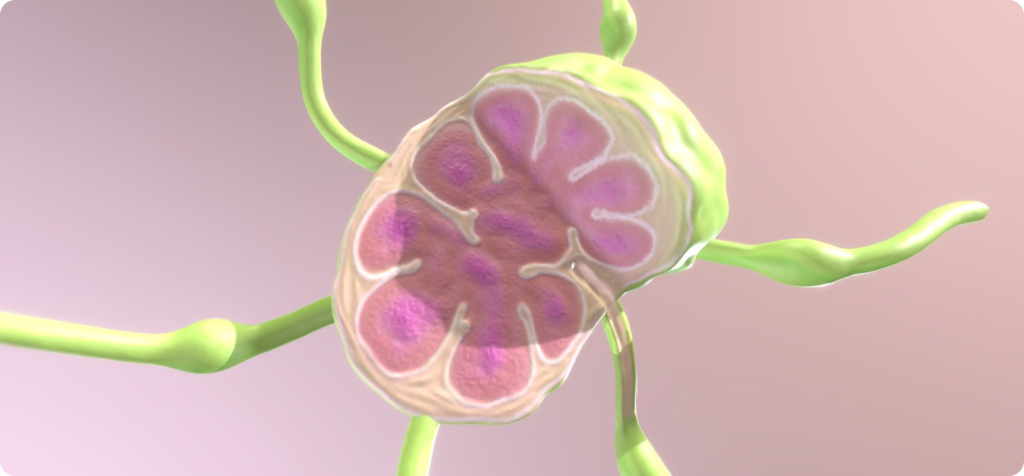
The key components of the lymphatic system include:
Lymph Vessels: These are thin tubes that branch, like blood vessels, into all parts of the body.
Lymph Nodes: Small, bean-shaped structures that produce and store cells that fight infection and disease. These nodes act as filters, trapping bacteria, viruses, and other causes of illnesses before they can infect other parts of your body. This highlights the vital lymphatic system role in immunity.
Lymph: The clear fluid that travels through the lymphatic system and carries cells that help fight infections and other diseases.
Tonsils, Adenoids, Spleen, and Thymus: All are part of the lymphatic system, each with its unique function in supporting the body’s immune responses.
Why is the Lymphatic System Important?
The importance of the lymphatic system can be seen in several key functions:
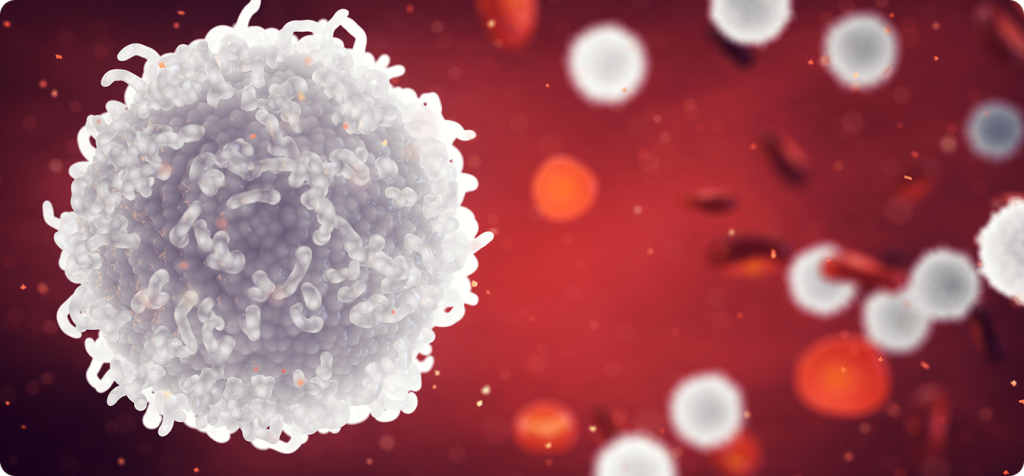
- Immune Defense: At the heart of the lymphatic system’s function is its role in immunity. Lymph nodes, scattered throughout the body, produce and store cells that detect and destroy pathogens, such as bacteria and viruses. When these nodes detect harmful invaders, they swell, indicating an active immune response and reinforcing the lymphatic system role in immunity.
- Maintaining Fluid Balance: As blood circulates, fluid leaks out into the body’s tissues. The lymphatic system collects this excess fluid and returns it to the bloodstream, ensuring a delicate balance is maintained.
- Absorption of Dietary Fats: In the intestines, the lymphatic system absorbs lipids (fats) and lipid-soluble vitamins from the digestive process. These are then transported via lymphatic vessels and eventually enter the bloodstream, providing essential nutrients to the body.
- Waste Removal: The lymphatic system acts as a waste disposal unit. As lymph fluid travels through lymphatic vessels, it passes through lymph nodes that filter out debris, toxins, and other unwanted substances.
- Transportation of White Blood Cells: White blood cells are crucial for our body’s defense mechanisms. The lymphatic system ensures these cells are transported to areas where they are most needed, especially during times of infection or injury.
What are practical tips for nurturing the Lymphatic System?

Understanding the importance of the lymphatic system naturally leads to the question: How can we support it? Here are some practical lymphatic system health tips:
- Stay Active: Regular physical activity, be it walking, yoga, or aerobic exercises, can stimulate lymphatic flow. Unlike the circulatory system, which has the heart as a pump, the lymphatic system doesn’t have a central pump. Instead, it relies on the movement of our muscles and joints to push the lymph fluid through the vessels. This is why physical activity is crucial for promoting lymphatic flow and overall lymphatic health. Many people ask, does walking help lymphatic system function — and the answer is yes, as walking is one of the simplest gentle exercises for lymphatic drainage.
- Hydration: Drinking adequate water helps maintain the proper consistency of the lymph, ensuring it flows smoothly through the lymphatic vessels. Without sufficient hydration, the lymph can become thick and sluggish, impeding its flow and reducing the efficiency of the lymphatic system.
- Diet: Consuming a nutrient-rich diet with plenty of leafy greens, fruits, and adequate protein can support lymphatic health. Additionally, reducing salt intake can prevent fluid retention, aiding the lymphatic system’s function.
- Deep Breathing: Engaging in deep breathing exercises can stimulate lymph flow, enhancing its detoxification capabilities and serving as another example of gentle exercises for lymphatic drainage.
- Avoid Tight Clothing: Tight clothing can restrict lymph flow. Opt for comfortable, loose-fitting attire when possible.
- Lymphatic Massage: This specialized massage technique can stimulate the flow of lymph, aiding in detoxification and promoting relaxation. Many people seek it specifically for its lymphatic massage benefits, including improved circulation and reduced fluid retention.
-
Advanced Professional Support: For targeted lymphatic support, professionals sometimes integrate Flowpresso into clinic treatments, helping with lymphatic circulation and rehabilitation.
-
Facial & Body Lymphatic Tools: Devices like Flow Vibrate facial massager or Flow Orb massage ball can complement natural methods by assisting in lymphatic drainage, reducing puffiness, and improving overall circulation.
In Conclusion
The lymphatic system, while not as frequently discussed as other systems in the body, is undeniably vital. It plays a central role in our immune response, fluid balance, and waste removal, clearly demonstrating the importance of the lymphatic system. By understanding what is the lymphatic system, how does the lymphatic system work, and the simple steps that support it, we can appreciate the intricate balance and complexity of our bodies and take steps to ensure its optimal functioning. So, the next time you think about your health, remember the silent work your lymphatic system is doing to keep you in the best of health.
Interested in learning more? Click here for an indepth video.