
The Lymphatic and Immune Systems:
The human body is a marvel of interconnected systems, each playing its unique role in maintaining overall health and well-being. Among these, the lymphatic system and immune system stand out as two closely intertwined systems, working in tandem to defend the body against harmful invaders. Let’s delve into the intricate relationship between these two systems and understand how they collaborate to keep us healthy.
The Lymphatic System: Key Functions Explained
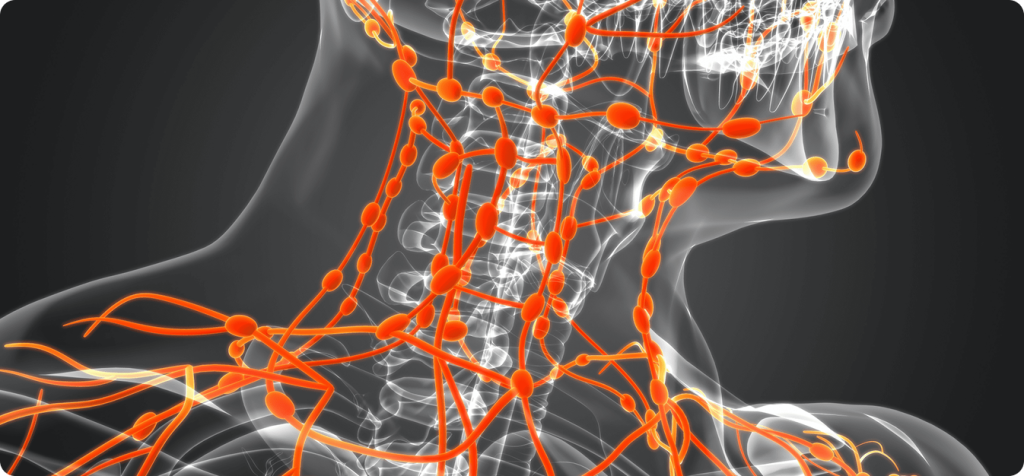
The lymphatic system is a vast network of vessels, nodes, and organs that transport a clear fluid called lymph throughout the body. This system serves multiple functions, including:
Draining excess fluid from tissues and returning it to the bloodstream.
Absorbing and transporting fats and fat-soluble vitamins from the digestive system.
Acting as a filtration mechanism, removing toxins, waste products, and other unwanted materials.
These functions highlight the crucial role of the lymphatic system and immune system working together to maintain overall health.
The Immune System: Your Body’s Defense Network
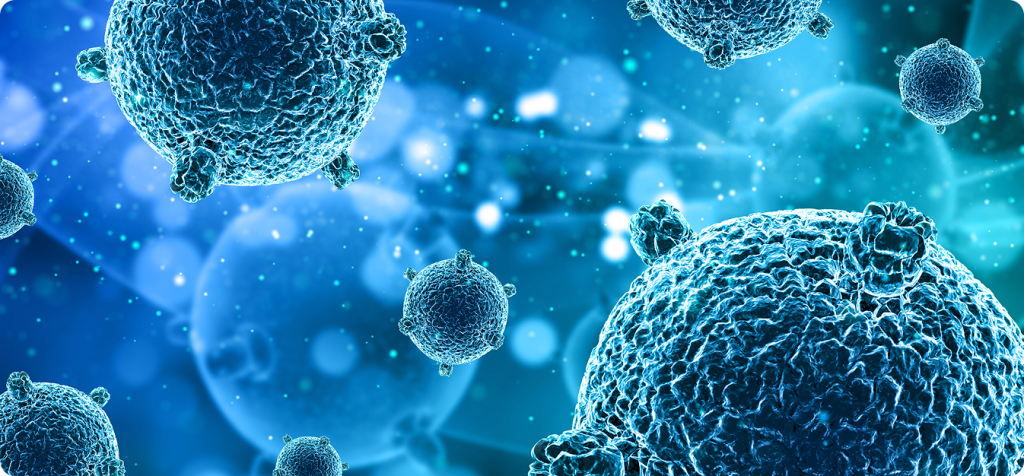
The immune system is the body’s defense mechanism against pathogens, such as bacteria, viruses, fungi, and other foreign invaders. It comprises various cells, tissues, and organs that detect and neutralize threats, ensuring the body remains healthy.
When we discuss the immune system and lymphatic system, it’s clear that they are interdependent: the lymphatic system provides the pathways, while the immune system delivers the cells that fight off disease.
The Interplay Between the Lymphatic and Immune Systems
- Lymph Nodes as Immune Centres:
Lymph nodes, which are part of the lymphatic system, are hubs of immune activity. As lymph fluid passes through these nodes, harmful substances are effectively trapped. Within the nodes, specialized lymphatic system cells, including lymphocytes (B cells and T cells), detect and neutralize these threats.
B cells produce antibodies, proteins that can latch onto specific pathogens and neutralize them or mark them for destruction.
T cells can directly attack infected or cancerous cells and regulate the overall immune response.
- Transport of Immune Cells:
The lymphatic system acts as a highway for immune cells. Lymphocytes and other immune cells travel within the lymph, allowing them to be transported to areas of the body where they are needed most. This underscores the importance of the immune/lymphatic system for defense and repair.
- Surveillance and Detection:
The lymph and immune system continuously monitors the body for infections, cancers, or other abnormalities. Lymph nodes act as checkpoints, identifying and responding to pathogens or foreign substances present in the lymph.
- Tissue Repair and Healing:
When tissues are damaged, the lymphatic system helps in the healing process by removing dead cells and debris. Simultaneously, the immune system facilitates tissue repair by controlling inflammation and promoting regeneration.
- Training Ground for Immune Cells:
The thymus, an organ of the lymphatic system, is where T cells mature and learn to distinguish between the body’s own cells and foreign invaders. This “training” is crucial for the immune lymphatic system to function correctly and avoid attacking the body’s own tissues.
Supporting the Lymphatic System's Protective Role

Given its vital protective functions, it’s essential to support lymphatic and immune systems:
- Stay Active: Regular physical activity promotes lymphatic flow, aiding in detoxification and the distribution of immune cells.
- Maintain a Balanced Diet: Nutrient-rich foods support immune function and overall lymphatic health.
- Stay Hydrated: Drinking adequate water ensures the lymph remains fluid and can flow smoothly.
- Practice Good Hygiene: Regular washing of hands and maintaining personal hygiene can reduce the entry of pathogens, reducing the burden on the immune and lymphatic system.
In Conclusion
The relationship between the lymphatic system vs immune system is akin to a partnership where each system complements the other. While the lymphatic system provides the infrastructure for transporting and filtering lymph, the immune system offers the tools and mechanisms to detect and combat threats. Together, they form a formidable defense line, safeguarding our body against a myriad of potential health challenges.
Understanding lymphatic system immune system interactions underscores the importance of holistic health, where each system’s optimal functioning is crucial for overall well-being. Supporting lymphatic and immune system organs ensures these interconnected systems remain strong, efficient, and ready to defend the body.